Psychosis in Russia due to a possible outbreak of plague in Siberia
A researcher from a laboratory that studies this pathogen has died, but the Kremlin denies that there are reasons for alarm

-
CAT -
CAST
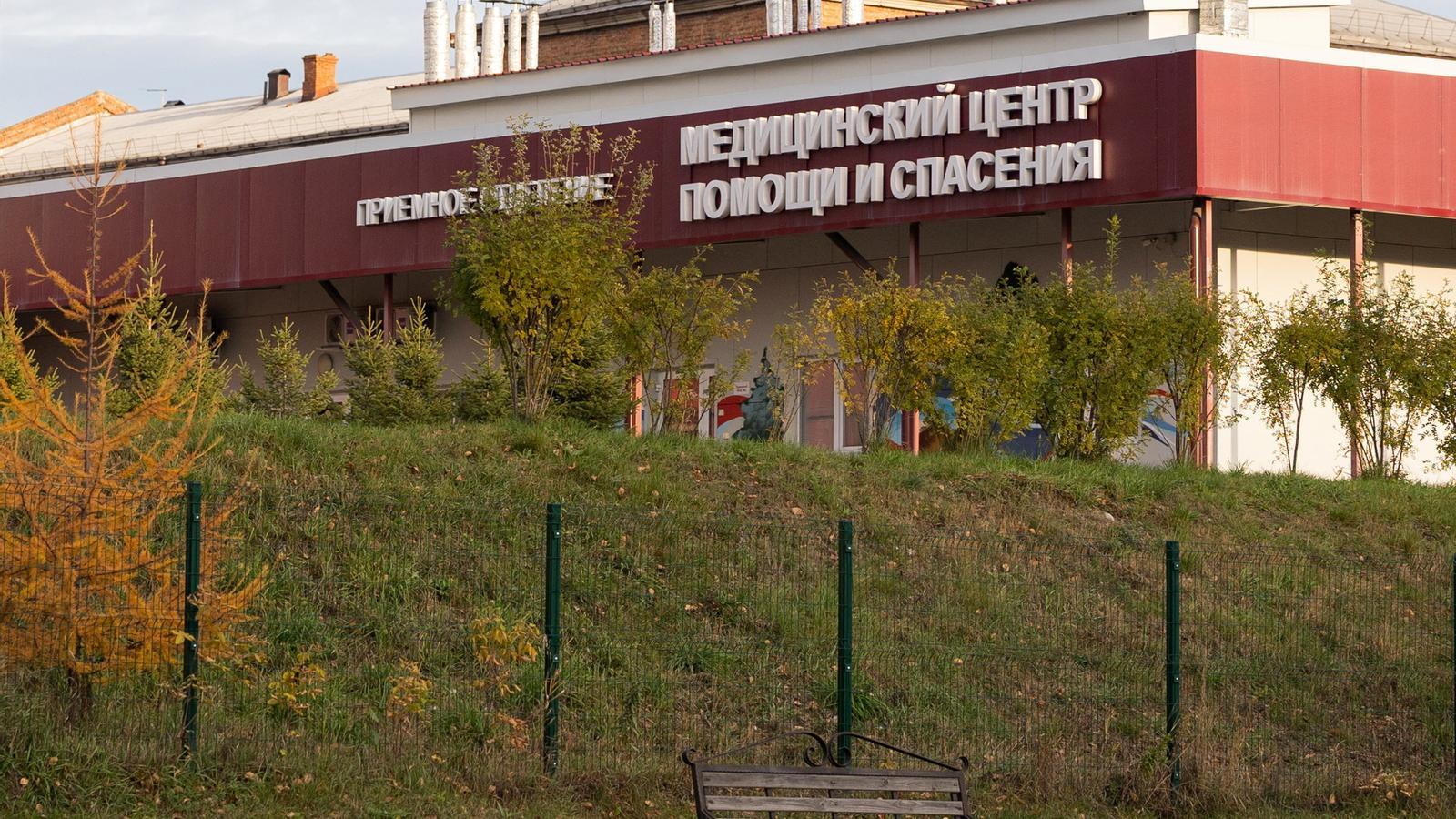
MoscowThe death of a laboratory worker researching the plague pathogen has raised alarms in Russia. Authorities have placed nearly 200 people under surveillance in Shelekhov, in the Siberian region of Irkutsk, and have quarantined the city's hospitals to prevent a potential bacterial outbreak. The Kremlin denies that any incident occurred while handling test tubes, but speaks of a “pneumonia of unknown etiology.” The lack of information and the erratic communication from local governors have put global health organizations on alert.
Several Russian media outlets report that on September 25, Daria Shipilova, a 27-year-old technician at the Irkutsk Anti-Plague Research Institute, accidentally broke a test tube containing samples of the plague pathogen. A few hours later, she was admitted to the hospital with severe pneumonia, which ended her life last Friday morning. Her relatives complain that doctors mistook her symptoms for an acute form of COVID and administered antibiotics too late.
Rospotrebnadzor, the Russian federal body in charge of public health, claims that tests performed on the woman's samples “did not detect any microorganisms related to her professional activity” and that the situation is “stable.” It also makes clear that none of her colleagues had sought medical attention for infectious diseases in the preceding days. Nevertheless, the more than sixty scientists at the center where Shipilova worked have been in quarantine in the building since the day of her death, although none have tested positive so far. Patients at the main clinics in Irkutsk are also unable to receive visitors or leave, and the mandatory use of masks is being imposed in some businesses.
Rumors that this is a plague outbreak have been unleashed following several comments from local officials. For example, the governor of Irkutsk, Igor Kobzev, spoke of the cause of death as a “suspected particularly dangerous infection,” without specifying a probable diagnosis. In the neighboring Republic of Buryatia, the governor, Aleksei Tsydenov, wrote: “The woman who died of plague in the Irkutsk region had not traveled to Buryatia.” Shortly after, he corrected the post and clarified that she “possibly died of plague.” And on Saturday, the municipal administration of Baikalsk, in Irkutsk, citing unofficial reports of a plague case, urged residents not to travel to Shelekhov. A message that he also ended up deleting.
A source from the media outlet Liudi Baikala claims that doctors “are already speaking openly about the plague,” even though it is not officially admitted. So do the Telegram channels closest to the Russian security forces, which attribute the cause of death to pneumonic plague, a lethal disease if not intervened in time, caused by the bacterium Yersinia pestis. It is more contagious, virulent, and rare than the bubonic plague, despite being the same pathogen. It is transmitted through rodents and fleas, but once it makes the jump to humans it spreads via the respiratory route and usually has an incubation period of only 24 hours.
Global psychosis
The situation in Siberia has put global epidemiological security agencies on alert. The White House has declared to Axios that they are aware of the crisis in Irkutsk and that they are “monitoring” the outbreak and “assessing its possibilities,” and Brussels has notified that it is “following it closely.” In light of this fact, Vladimir Putin's spokesperson, Dmitry Peskov, has asked to “ignore rumors and speculations.” The global psychosis from the coronavirus pandemic, seven years ago, forces health authorities to exercise extreme caution in the face of any suspicious information. Furthermore, just as happened in China, the Russian government's secrecy hinders transparency and prevents the correct determination of the level of risk.
This crisis also highlights the existence of laboratories specialized in infectious diseases such as the plague in Russia. In fact, Siberia is an especially important area for the study and surveillance of this bacterium because it continues to circulate there among wild animals and fleas. Despite this, the Kremlin and its propagandists have for years been accusing Ukraine, as if it were an exception, of having biolabs funded by the United States. According to the Russian narrative, these Ukrainian centers, which effectively are in charge of helping to prevent pandemics, serve to manufacture genetically modified viruses that only affect Slavs and that could be spread through migratory birds and mosquito-carrying drones.
