Japan cannot reduce immigration as it wanted: it lacks workers
Restaurants, hospitals and nursing homes force Takaichi's executive to look for loopholes to fill 20,000 jobs with foreigners
-
CAT -
CAST
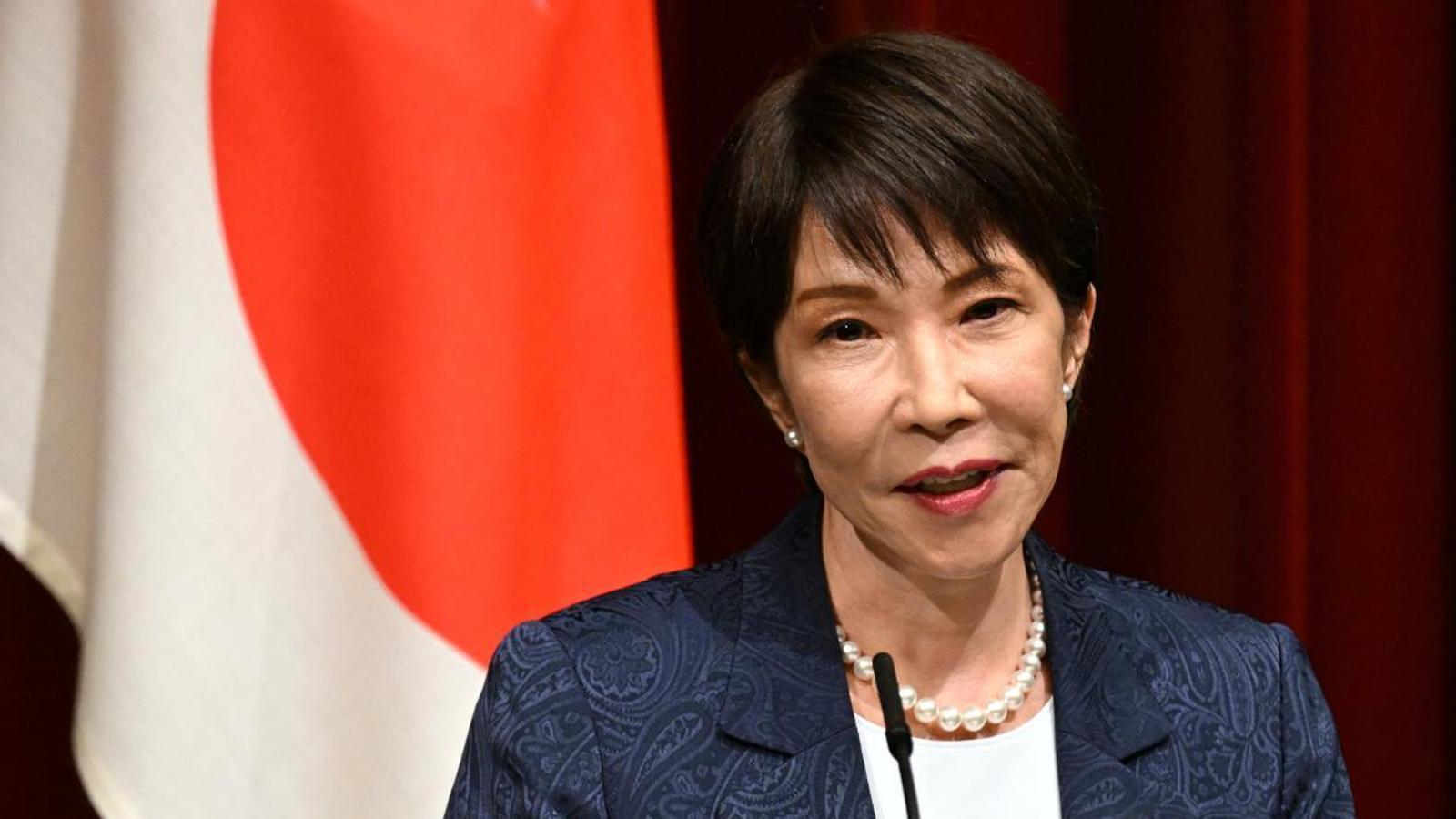
TokyoThe Japanese government has been forced to look for new ways to hire foreign workers due to the exhaustion of the quotas it had established to limit their entry. Six months after suspending the admission of new workers with specific skills visas for the catering sector, it has proposed allowing hospitals, care centers, and schools to hire foreign personnel for cafeteria services starting in April 2027. To do this, these jobs will be classified within the food manufacturing sector, which has its own quota and is not subject to the freeze affecting the catering sector. The lack of manpower, therefore, dismantles the restrictive migratory discourse of the conservative government of Sanae Takaichi.
The difficulties also affect the elderly care sector, where the spots reserved for foreign workers are approaching the limit. At the end of July, Japan had 81,436 people with specific skills visas in this field, 64% of the quota planned until March 2029. In the documentation presented on October 19, the Immigration Services Agency warned that, if the current hiring pace is maintained, the limit could be exceeded during the second half of 2027.
To avoid this, the Agency has proposed transferring 20,000 spots from a training and employment program to the visa system for workers with specific skills. Japan has two programs to incorporate foreign labor: one for workers who already have professional qualifications and knowledge of Japanese, and another for training and employment that is progressively replacing the old labor internship system. With the redistribution, the quota of the first program for the care sector would increase from 126,900 to 146,900 spots, while that of the second would be reduced from 33,800 to 13,800. The joint limit, therefore, would remain at 160,700 workers: no new spots are created, but rather they are redistributed between the two systems.
The magnitude of personnel needs explains the pressure on these quotas. For the 2028 fiscal year, the government calculates that the sector will need 2.35 million workers, but will only have 2.1 million available. The deficit, of more than 250,000 people, would be partially covered with productivity improvements and measures to incorporate more Japanese personnel. To cover the rest, the government plans to resort to a maximum of 160,700 foreign workers, the figure that sets the joint limit for the two mentioned programs.
Restoration, without places
In the restaurant industry, the quota was already practically exhausted by the summer. At the end of July, there were 49,290 foreign workers with this visa, against a maximum of 50,000 places. Since April, the issuance of new residence certificates for working in this sector has been suspended.
The government has not decided to lift the blockade, but rather, as has already been pointed out, has sought an alternative path for certain jobs. The proposal consists of removing canteen services for hospitals, care centers, and schools from the restaurant category and incorporating them into the food manufacturing category. The argument is that these activities mainly consist of preparing food and cooking, rather than serving customers. Thus, foreign workers who join these services will be able to have a visa corresponding to food manufacturing and will not count towards the restaurant quota, which remains blocked. This other category has a limit of 133,500 workers and, at the end of July, only 76% had been covered.
Controversial migration policy
The government plans to authorize new hiring for catering services starting in April 2027 and aims to approve the plan in December. The redistribution of the 20,000 places in the care sector is also pending a decision. Furthermore, there are practical difficulties in applying the new measures: according to an official survey, 36% of the entities consulted had not yet found Japanese language teachers nor had they identified potential candidates to fill the new positions.
The rectification, however, does not represent a general change in the controversial migration policy of the Japanese Prime Minister. Her government wants to strengthen measures against irregular stays and more strictly control compliance with tax and administrative obligations for foreign residents. At the same time, she has announced that she wants to have a new basic policy on the acceptance of foreign residents ready before March, which will also have to address the possibility of establishing quantitative limits.
In the general policy speech of October 5th, Takaichi pointed to the labor shortage as one of the main problems for societies in demographic decline. She defended the use of artificial intelligence to maintain essential services such as healthcare and care, although voices from the opposition opposed to her ultraconservative executive believe that AI is not yet ready to assist people in these areas, especially in the care of the elderly.

