Neither 8 nor 10 euros: the price of olive oil will plummet
The rains of January and February have favored the good health of the olive tree, which could still go better if it rained this October

-
CAT -
CAST
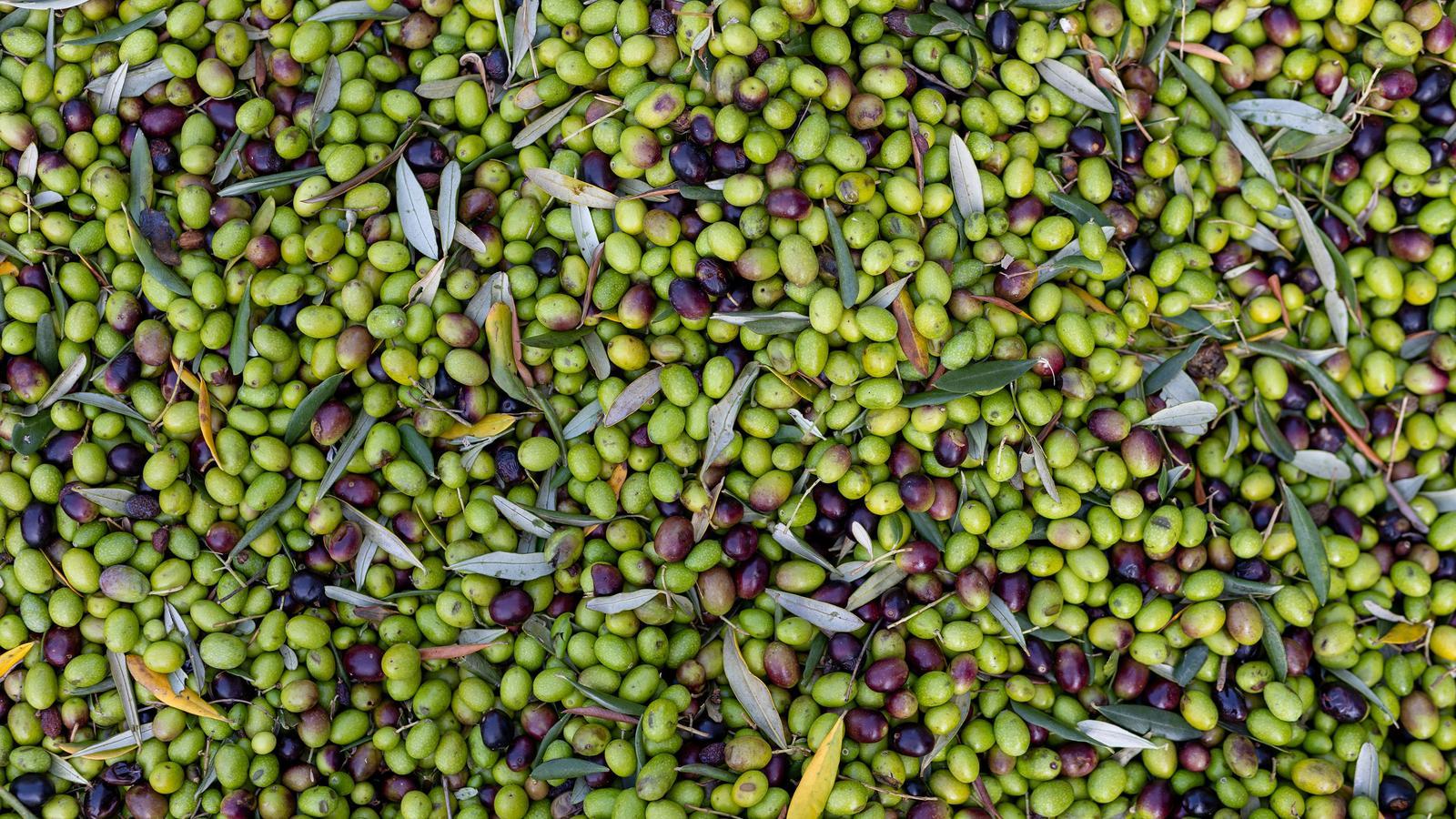
Olive harvest forecasts are optimistic. It is expected that this year one million six hundred thousand tons of olives could be harvested, three hundred thousand more than last year. The abundant rains in the months of January and February have been good for the tree's flowering, which could still be loaded with more fruit if it rains this autumn. This point is precisely very important: it must rain in October. "We are now in the key time of the year, because the olive tree needs moisture in the ground; if it does not rain this month of October it will be difficult to reach the forecast we have made of one million six hundred thousand tons of olives", states producer Paco González, from one of the large production companies in Jaén, Aceites Guadalimar, the world's leading producer of olive oil, which sells to Catalan companies. This is also confirmed by Catalan producers such as Olis Macià, from Artesa de Segre, where they explain that this year the difference between dry land and irrigated land will be significant due to the lack of rain throughout the summer. "In the irrigated fields, on the other hand, we have many olives, very good production, and that is why we are forecasting a large and good quantity of oil", says Jordi Macià. For his part, the president of the DOP Siurana, Pere Albà, states that it is too early to make forecasts, but that in mid-October the mills will begin to be open to produce the first olive oil, the raw oil, which is always at a higher price than the rest.

Thus, optimistically, the final price per liter of olive oil could be similar to and even lower than last year's: "Between three and three euros fifty cents," indicates Paco González.
Imbalance between production costs
However, for producers, such a low price represents a major imbalance with production costs. “Three out of every four farmers are losing money due to this disparity,” states Paco González, who points to the high costs of hiring staff, diesel, fertilizers, electricity, and machinery as the reasons that make oil production more expensive for producers.
Three years ago, due to the drought, only one million tons of olives were harvested, and because of that, the price of a liter of olive oil rose to ten euros. Over the following years, the peak of ten euros has been maintained in the market even though there has been a larger harvest. In fact, still today, on supermarket shelves, most one-liter bottles of olive oil are priced at around ten euros. The explanation for why the high price per liter is maintained could be that bottles purchased at a high price in previous years are still being sold.

