Pedro Sánchez is playing it all or nothing

-
CAT -
CAST
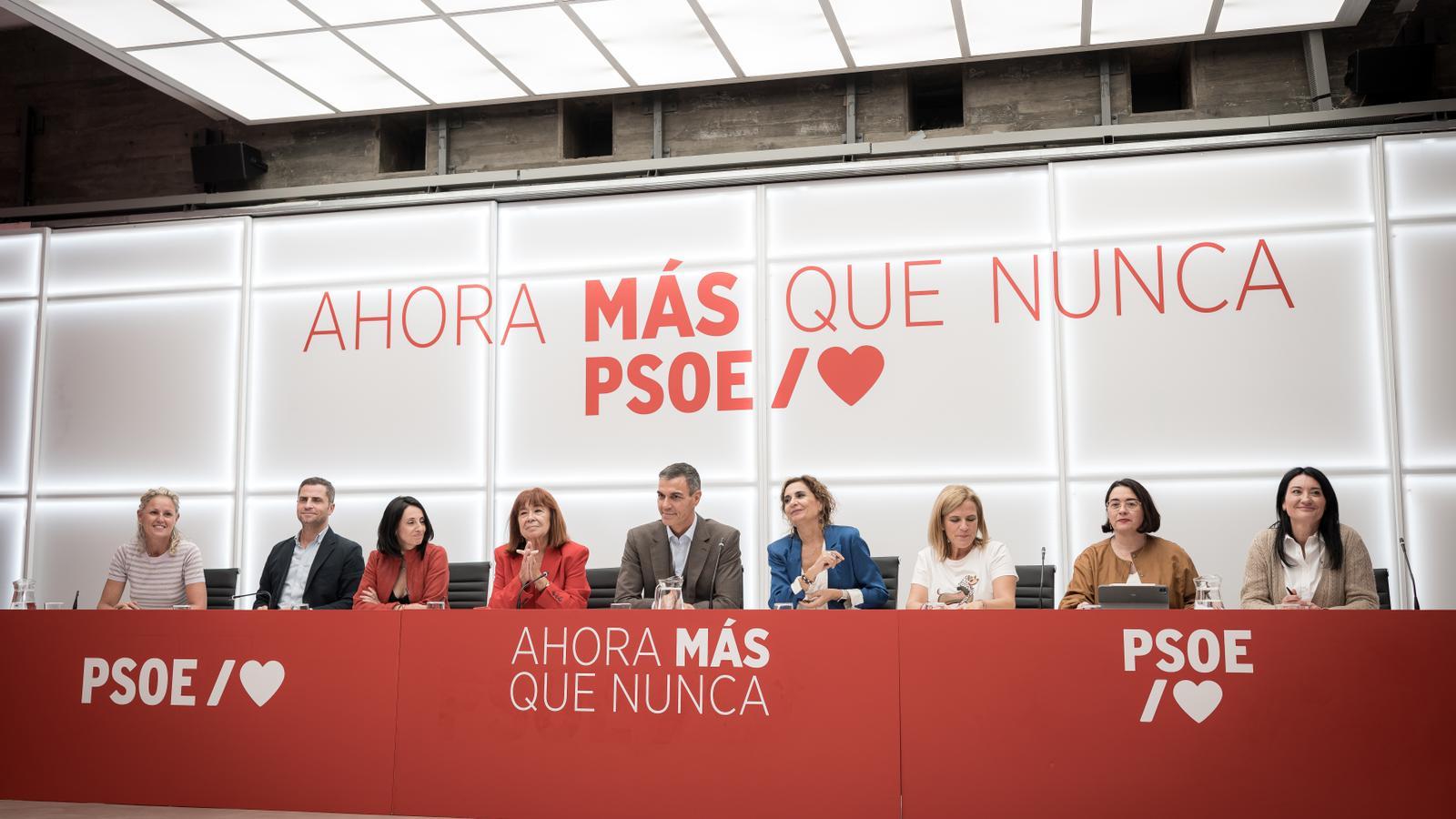
BarcelonaSpanish Prime Minister Pedro Sánchez has seen a window of opportunity in the vote that defeated the housing decrees on Friday and has decided to dive headfirst into it. After a weekend of consultations, this Monday he announced the calling of early elections for November 29 and has turned his appearance into the first act of what is expected to be a long pre-campaign. Sánchez has asked for a broader majority to "bend the elites" and has urged the citizenry to place themselves on the "right side of history" in the face of what he has described as "the worst opposition in the history of democracy." Sánchez, therefore, is gambling on an all-or-nothing approach, presenting himself as the defender of the working classes against the powerful.
The announcement will be accompanied by the approval, this Tuesday, of the decree laws that were defeated on Friday, and which this time will be able to be validated by the permanent deputation of Congress, where the PP, Vox, and Junts do not hold a majority. This will allow Sánchez to provide his electoral campaign with a narrative and a framework different from those the right would like to impose, which are the corruption cases affecting the PSOE and also the crisis in Ceuta and immigration. The fact that Isabel Díaz Ayuso and the far right have already come out today to question the postal vote and to stir up the ghost of electoral fraud demonstrates that we are facing high-voltage elections. The truth is that the Spanish electorate is highly polarized, a trend, by the way, that is increasingly common in the world, with elections decided by a few votes between antagonistic models where usually one is far-right, as we have seen this weekend in Brazil.
Seen from the point of view of Catalonia's self-government, the early election, understandable from a tactical point of view, is especially frustrating. Among the things that are lapsing are not only a financing reform that would provide more resources to Catalonia (4.7 billion, a necessary injection to finance public services), but also the cancellation of 20% of the FLA debt, the process of transferring the Rodalies rail service that was to begin with the R1 line, the transfer of the Zona Franca –which is state-owned–, the efforts to make Catalan official in Europe, or the 17-A investigation committee. It is especially frustrating that all these issues, which have required hours and hours of negotiations, are now in danger due to the PSOE's lack of diligence in approving them.
In any case, we are facing a new clash between the two Spains of always. Needless to say, a PP and Vox government is an especially disturbing horizon for Catalonia, but the campaign should go beyond stoking fear of these two parties. After all, people are already very aware of what is at stake in these elections and deserve to be presented with rigorous proposals to solve their problems.
