Heatwaves, a new normal?

-
CAT -
CAST
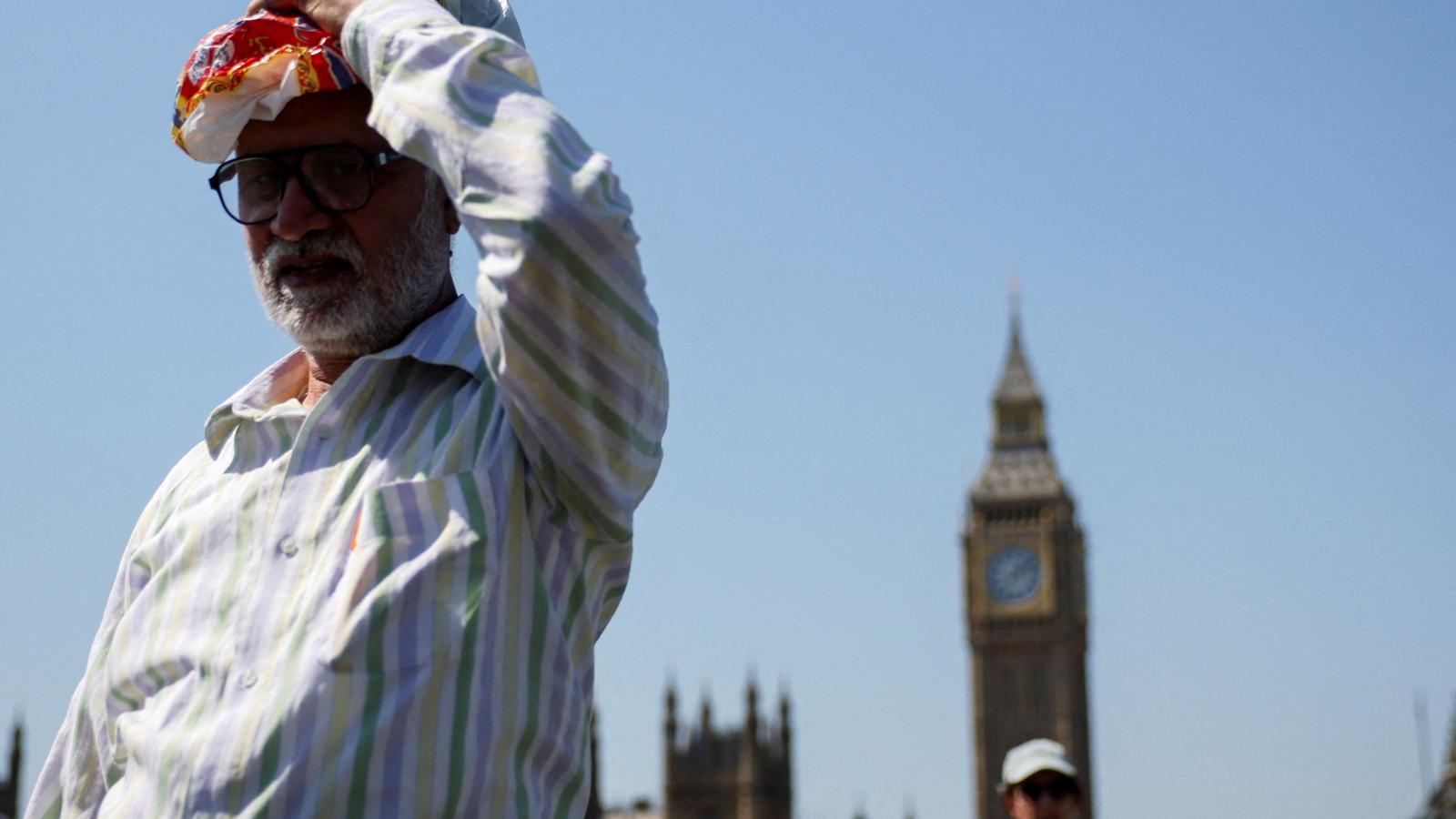
BarcelonaThis Friday will see the peak of the umpteenth heatwave of the summer, with suffocating temperatures that unfortunately we will have to get used to, as they are on their way to becoming a new normal. Tropical nights – above 25 degrees –, which were once exceptional, are now common in many Mediterranean cities, and are beginning to be felt strongly in Northern Europe, where until now they were unimaginable. In this context, the data contained in the Atlas of heat vulnerability are particularly interesting, a study that calculates the needs of the main Spanish cities in a scenario of rising temperatures. The study identifies variables such as the quality of the housing stock, per capita income, or urban planning and vegetation to mark the difference between cities that are better prepared to cope with heatwaves and others that are more exposed to their risks.
"We are building buildings for a climate that no longer exists," states emphatically Pablo Martínez, an architect and one of the authors of the study, carried out together with the earth sciences department of the Barcelona Supercomputing Center - National Supercomputing Centre (BSC-CNS). Thanks to different simulations, and with climate data from the European project Impetus4Change, scientists calculate that the number of days with heatwaves will triple on average by 2050 compared to the year 2000. At the same time, the cooling demand for homes will increase by 65%. And this is where the biggest differences between cities and regions lie.
For example, in the specific case of Catalonia, the areas that will suffer the most from the effects of heatwaves will be Baix Llobregat and Garraf. This does not mean that it will be where the temperature will increase the most, but rather where they are least prepared and, therefore, most need to adapt. If we look at Spain as a whole, we can see that the areas that will experience the highest increases in cooling demand are located in Andalusia and in the interior of the peninsula, and not so much on the coast.
Administrations must take advantage of all this knowledge that is being generated to anticipate events and act accordingly. As Martínez says, current housing construction legislation is outdated and, if it no longer serves even for current temperatures, it will be even less viable for the coming decades. Cities also need to adapt. All studies point out, for example, the importance of green areas, which are no longer a matter of taste or environmentalist sensitivity, but a climatic necessity.
The paradox is that, even though the Mediterranean will be one of the places on the planet most affected by the climate crisis, the most profound changes in terms of infrastructure and social habits may occur in Northern Europe, where they are clearly less prepared. There, just as it happened here about 30 years ago, air conditioning is going from being a privilege for a few to a health necessity.
