Ceuta, the immigrants and the demographic winter

-
CAT -
CAST
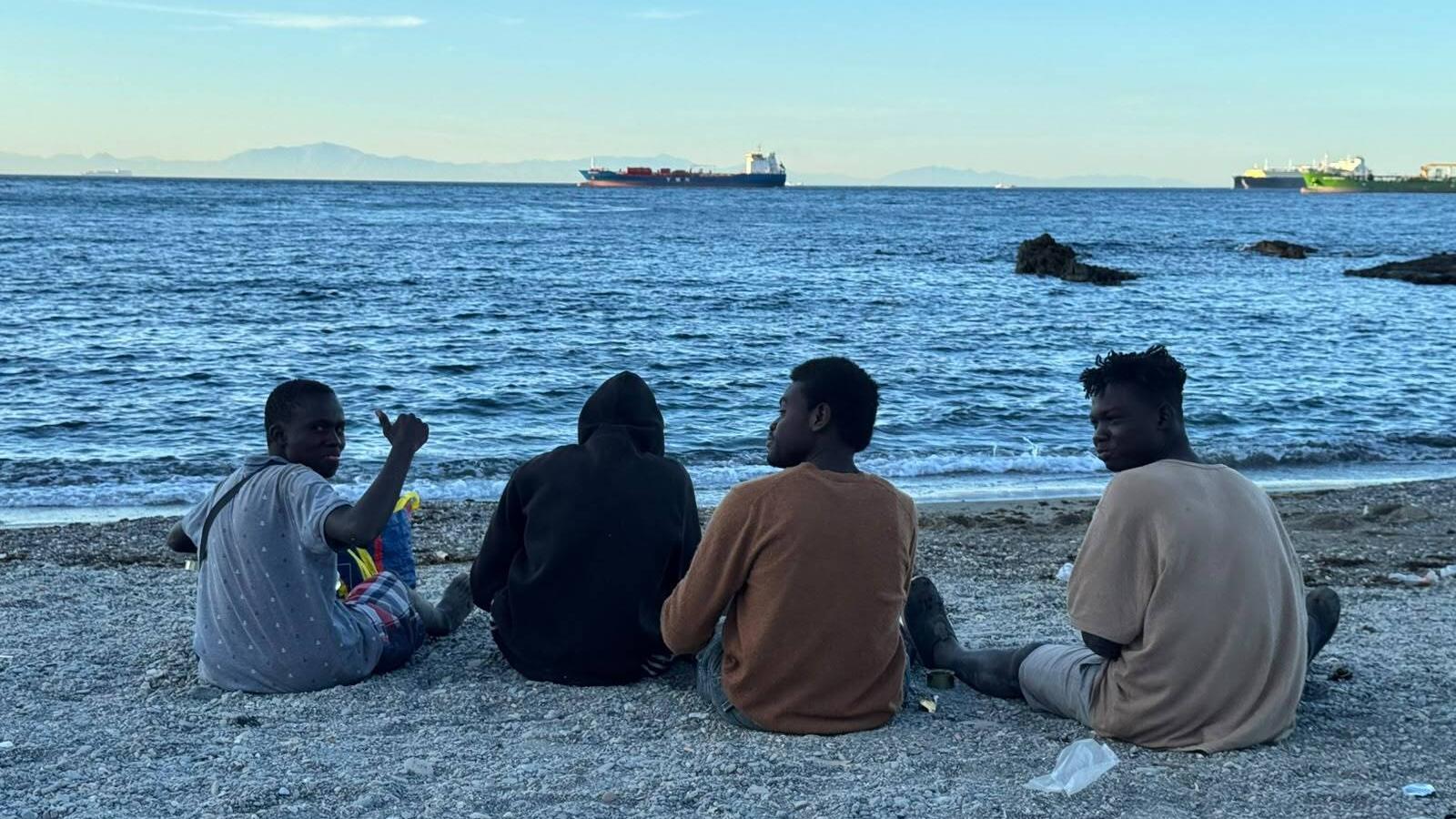
What is happening in Ceuta is, right now, a humanitarian drama. What is happening in Europe, following Ceuta, is an ideological battle between those who see immigration as "an invading danger" and those who want to manage it without naive good intentions, but taking into account the basic human values that, at least on paper, form the European ideal, and the economic reality, with relevant sectors demanding labor (by the way, what has happened to origin-based recruitment?).
The first bloc is led by the Italian Prime Minister, Giorgia Meloni, who has turned the migratory crisis in Ceuta, which began on Thursday, July 30, with a massive entry by land and sea, into an opportunity to set the agenda and the narrative. The second bloc has the Spanish President, Pedro Sánchez, as almost the only visible face, balancing between a tough police stance, an express return of the majority of the thousands of Moroccans who arrived in Ceuta, a defense of European unity represented by the Schengen area of free movement, and limited attention to unaccompanied minors and groups such as women, who were more numerous this time.
With a Europe nationally fragmented regarding border policies, and under the pressure of far-right discourses that precisely blame vulnerable foreigners for all collective ills and frustrations – very real ones, by the way – the instrumental use of immigration as a weapon of diplomatic pressure has skyrocketed. In what has happened in recent days, it is not clear to what extent the Moroccan regime has been proactive. But it is evident that the strong migratory movement in Ceuta has not been spontaneous, as reflected in the echo that occurred on social networks.
In the last decade, the kilometers of walls or fences at the external borders of the EU and within the Schengen area have multiplied by six. This is the context. In Europe, distrust and fear reign. No government wants to be seen as lenient on immigration. The recently approved EU policy of externalizing filtering to camps located in third countries, as Meloni wanted, in addition to clashing with the principles of welcome, seems more like a propaganda action to reassure public opinion than a truly effective measure. And the Meloni-Sánchez clash responds to this same dialectic of gestures for show.
European societies, with a very low birth rate, continue to need to incorporate foreign populations to maintain their dynamism and viability. But when it comes down to it, alarmist discourses that link immigration with crime and that invent conspiratorial identity theories like that of the "great replacement" prevail. Amidst this tremendous noise, it is very difficult to move the debate away from visceral sensations and subjective experiences to discuss it with measure, data, and rigor. In reality, global data are already causing experts to begin to speak of a demographic winter, the result of a declining birth rate that, with Europe at the forefront, is already generating concern also in Asia – especially in China – and in the Americas, and not just in the north.
