Three basic tips for driving in case of a forest fire
We collect some safety tips to act in case of being surprised by flames while circulating
27/07/2026 - 21:27 h
-
CAT -
CAST
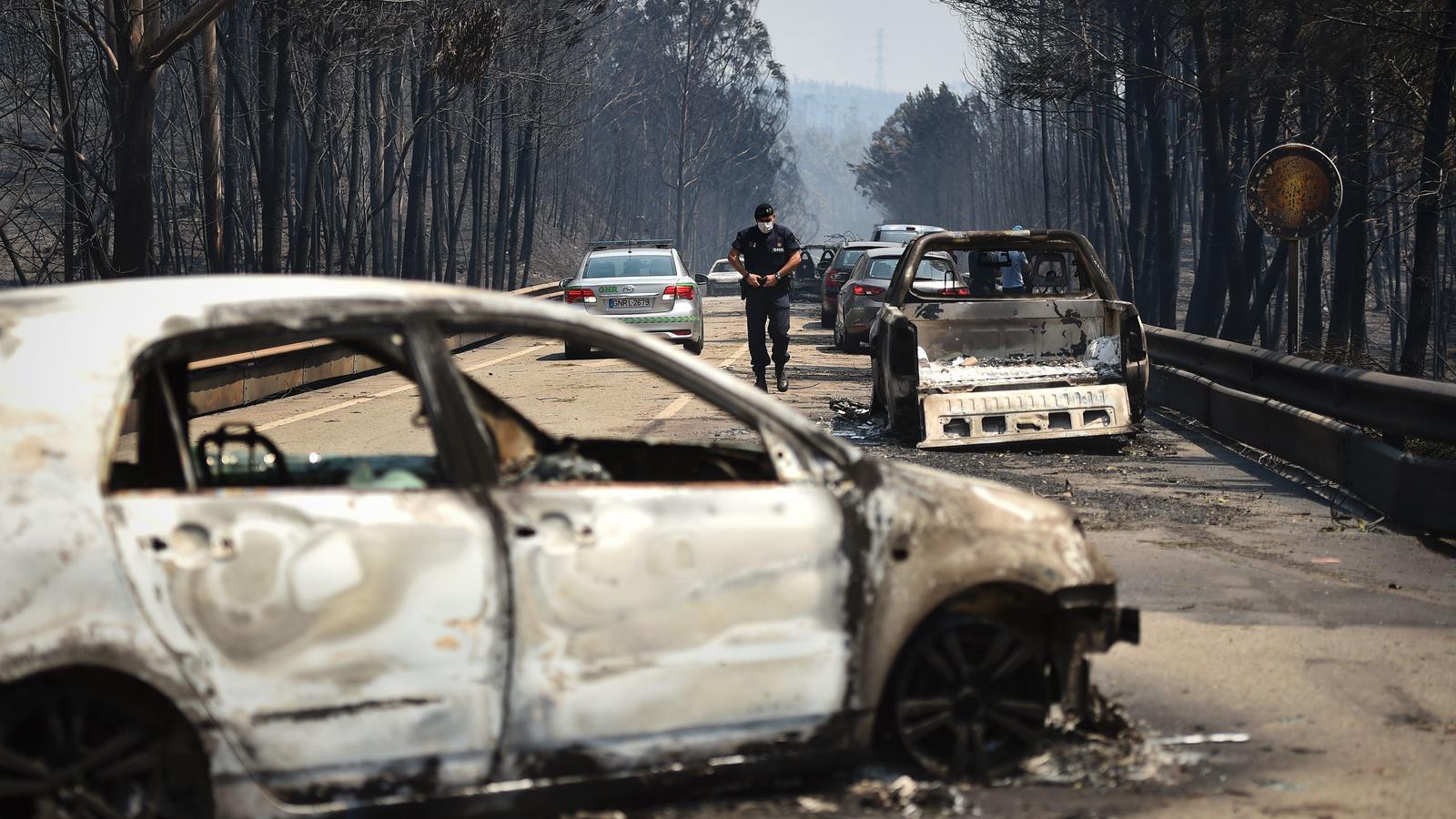
This summer is being one of the worst on record regarding forest fires in Western Europe. Successive and suffocating heatwaves, rural depopulation and abandonment of fields, urban developments scattered in areas surrounded by forests, administrations that disregard their obligations, and risky human activities in the natural environment are the main conditioning factors that have led to the current scenario, with large areas of France, Spain, and Portugal suffering historic fires with unprecedented intensities and extents.Meanwhile, the summer months are also the ones with the most mobility on the road network, coinciding with the holiday season and trips to towns and tourist areas, often located in areas of high or very high fire risk. In fact, this very summer, great human tragedies have occurred, such as the death of several people in the Almeria fires inside their vehicles while trying to flee the flames. From the General Directorate of Traffic or associations like the RACE or the CEA Foundation there is agreement in giving some basic advice in case a fire catches us while driving. Lights on, close doors and windows and do not leave the vehicle
First of all, it is necessary to follow the instructions of the relevant authorities when carrying out home confinements, and to avoid taking the car or leaving by the indicated routes in case of evacuation, which limits to the maximum the risk of being caught by the flames. In case we see an area on fire, it is absolutely necessary to avoid driving through it by continuing on, as the smoke and flames limit our visibility and we could end up having an accident, or the engine could eventually stop due to lack of oxygen for combustion. Therefore, it is absolutely necessary to turn back and leave the core of the fire, turning on the emergency lights and the dipped headlights, even the fog lights in case the smoke screen limits visibility.Although the first human reaction is to flee from flames, if we see ourselves threatened by flames at a certain distance, it is preferable to close doors, windows, and car ventilation systems to create a temporarily safe space. If we are forced to leave the car if it starts to burn (the worst possible scenario), we must cover most of our skin with a scarf or piece of clothing, as well as cover our nose and mouth, and run in the opposite direction of the fire and look for areas without vegetation or already burned. It is worth remembering that it is always preferable to stay inside the vehicle, unless it starts to burn.The car will not explode
Keeping calm and cool-headed can make a difference in any type of emergency, but even more so in case of fire. The first human reaction is fear and concern about flames reaching the car, but contrary to what movies show, vehicles do not explode, they simply burn and generate dense smoke. Stop in a space without vegetation
The ideal space to avoid the flames of a fire is the road itself, as the asphalt acts as a natural firebreak. In case of finding a space without vegetation, located against or perpendicular to the wind or in an already burnt area, it is highly convenient to stop there and inform the emergency teams of our position.
