The wizard of Baca Grande
Strong went from directing oil tankers to defending the environment
-
CAT -
CAST
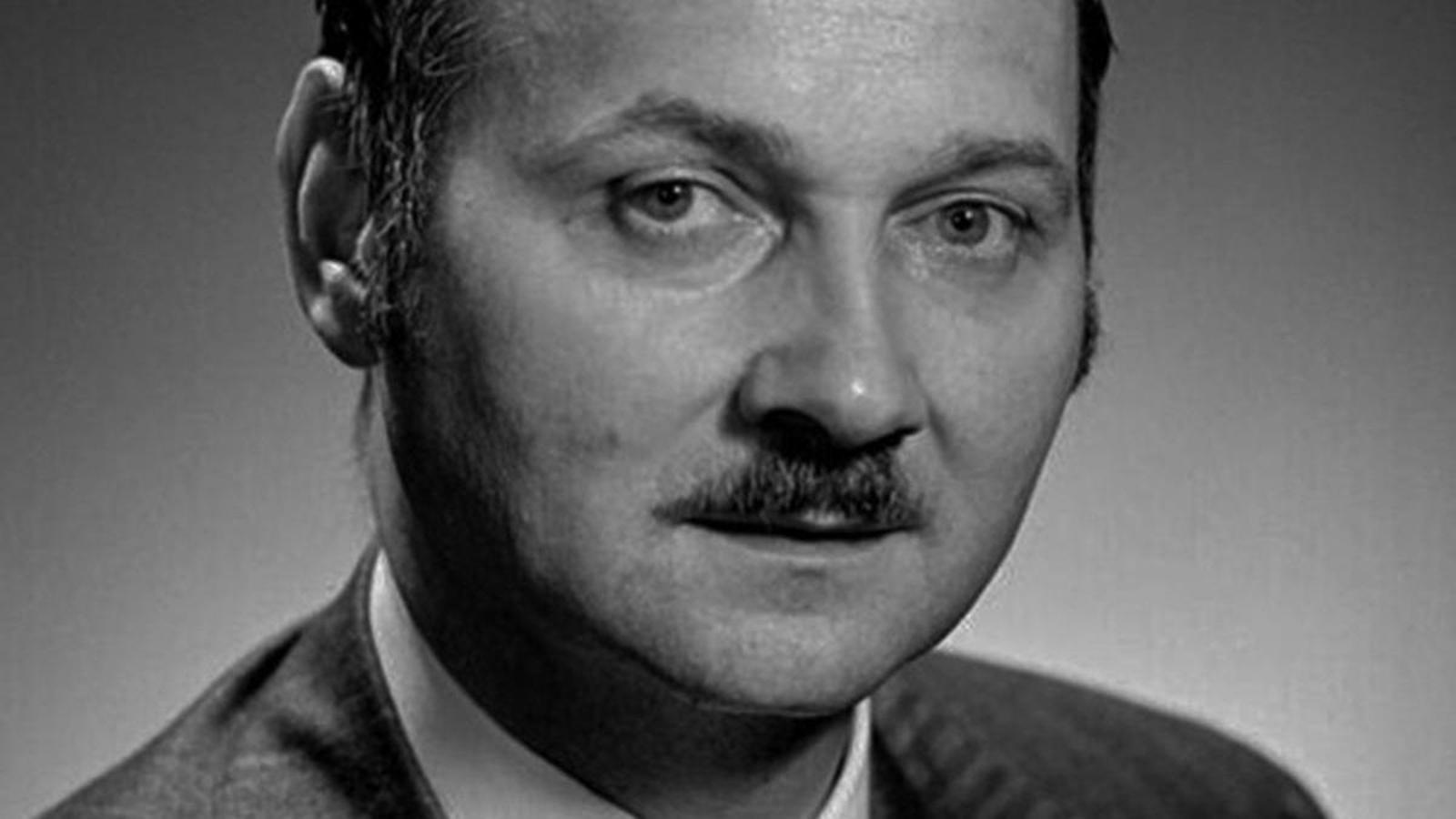
We are in southern Colorado, in the United States, in a desert valley at the foot of the Sangre de Cristo mountain range. It is one of those places that truly seems like the end of the world. But unexpectedly, at the gigantic Baca Grande ranch, in the town of Crestone, we find a whole series of religious centers that seem absolutely out of context: Zen Buddhists, Tibetan Buddhists, Hindus, Christians, and, even, a space for followers of the New Age, that spiritual movement that was so successful decades ago. What is the point of it all? The story begins in 1979, when the Canadian millionaire Maurice Strong and his wife, the Dane Hanne Marstrand, decided that on those lands they would organize the epicenter of the planet's new spirituality.
- 1929-2015
Wealthy since she was a child, Hanne used to have visions of angels and claimed to remember past lives. The catalyst for the Baca Grande adventure was the appearance in Hanne's life of a man named Glen Anderson who claimed to have had visions where the leaders of the world's religions all united in Baca Grande to create a new world order that would save the planet from collapse. The immediate result was the purchase by the couple of a large expanse of land where they would invite all kinds of religious entities. A key person in the promotion of the project was the actress Shirley MacLaine, a friend of both and very linked to the New Age movement and spirituality in general.If Hanna had been born into a very wealthy family, Maurice Strong had come into the world in a completely opposite environment, the son of parents with great economic difficulties. But at just over 10 years old, he decided that not only would he escape poverty, but he would leave his mark on this world. His voracity to prosper led him to finish his mandatory studies very early and to falsify his age to start working as soon as possible. He joined the merchant navy and sailed from a very young age along the coasts of British Columbia, an activity that led to working as a fur trader in the Arctic and even living with the Inuit. In 1943, he had what could be considered a revelation, because he read on the front page of the newspaper that Roosevelt and Churchill had agreed to create the UN as soon as the war ended. He felt called upon, with the certainty that one day he would be a part of it.At the beginning of the fifties, he settled in a prosperous Alberta to work as a financial analyst specializing in natural resources. This job allowed him to forge a friendship with an oil entrepreneur, Jack Gallagher, with whom he began to work. At twenty-five, he was already vice president of Dome Petroleum, his friend's company. Investments in oil and natural gas exploration provided him with his first million, while the Power Corporation of Canada, a leading firm in energy investments, hired him as president. At thirty-one, he was already at the top. Later, he would also be president of Petro-Canada and Ontario Hydro. But there was something missing: his mother had told him that if he worked hard, he could change the world.The turning point happened in 1965, when the Prime Minister of Canada summoned him to commission him to lead the Canadian International Development Assistance program, which grouped all of the country's external aid. He left his job and devoted himself to it, as he would also do with the next Prime Minister, Pierre Trudeau. In 1972, he organized the first world conference on the environment and shortly after directed the UN's environmental programs. In 1987, he was the ideologue of the Brundtland Report, which proved transcendental in the evolution of the green movement. The last decades of his life were dedicated to these types of policies, to the point of being a mentor to Klaus Schwab, creator of the Davos Forum, and a key influence on Al Gore in his fight against climate change.A journalist who visited the religious facilities of Baca Grande in 1990 interviewed Strong, and he made a series of quite disturbing confessions to him that were supposedly the basis of a novel he was preparing: “Rich countries will always refuse to reduce their impact on the environment. But a group of world leaders, who operate like a secret society, have felt that the only hope to save the planet is for industrialized civilizations to collapse. And they will cause that collapse”.
