The German businessman who created a fortune in the shadow of the Nazi regime
The Günther Quandt family still has 45% of the car manufacturer BMW
-
CAT -
CAST
On the eve of La Mercè in 1967, a light aircraft flying from Frankfurt to Nice crashed in the Italian Alps and its six occupants died. One was Harald Quandt, one of the richest men in Germany, who, curiously, had survived another plane crash only a couple of years earlier. In that first disaster, his light aircraft overturned the moment it was trying to take off from the Zurich airfield, in Switzerland, resulting in one death.
- (1881-1954)
The story of Harald Quandt is quite particular, because he was the son of the great German industrial magnate Günther Quandt and his second wife, Magda Ritschel, who was twenty years younger than her husband and only seven years older than Quandt's first son. The marriage ended in divorce and then Ritschel married Joseph Goebbels, the head of propaganda for the Nazi regime and a figure whom everyone relates to policies of informational manipulation. From the age of thirteen, Quandt junior lived with Goebbels, his stepfather. This marriage did not end well either, because on the first of May 1945, at the end of the Second World War, both decided to commit suicide after having killed their six common children (not Harald, because he was already twenty-four years old and, furthermore, was a prisoner in Libya).
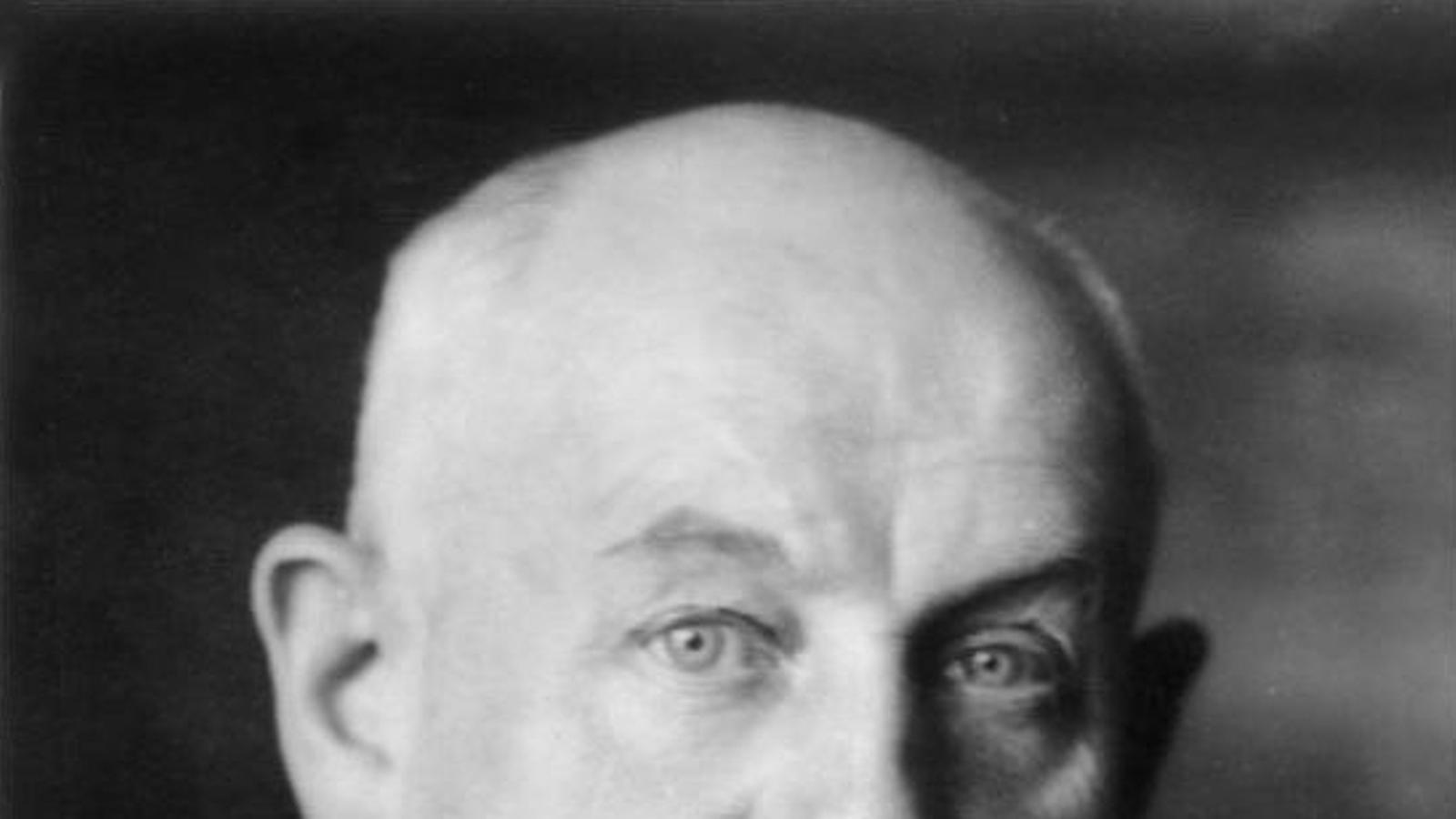
Be that as it may, the figure that interests us is that of the father, Günther Quandt, who built a great business empire that included companies still very well known today, such as BMW, Daimler-Benz, or the battery manufacturer Varta. In reality, the family had started in the textile sector, where they were owners of a factory that came from the maternal branch of the clan. Under his leadership, Quandt managed to grow the company until it became a supplier of uniforms for the German army fighting in the First World War. The money accumulated during the wartime period gave him oxygen to launch into making purchases during the twenties, a time when many important companies entered into crisis because of hyperinflation.
That is how he managed to take control of Varta (vertrieb, aufladung, reparatur transportabler akkumulatoren, or distribution, recharging and repair of portable accumulators), of potash mines and metallurgical companies, and also of a stake in the automaker Daimler-Benz. In parallel, he incorporated into the group the firm DWM, of weapons and ammunition, a fact that later earned him the distinction from the National Socialist regime of wehrwirtschaftsführer, that is to say, a prominent figure of the war economy, and which was intended for executives and owners of armament companies. Other businessmen who received it were Friedrich Flick (whom we talked about last spring) or the descendants of Friedrich Krupp (protagonist of the section around Sant Jordi four years ago).
Precisely, on February 20, 1933, when there were only a few days left before the elections that would catapult the Nazi Party to power, Quandt was one of the twenty-five businessmen who took part in a secret meeting with Adolf Hitler at the official residence of the President of the Reichstag – who at that time was Hermann Göring – in order to collect funds for the party. Later on, this financial support was generously rewarded because Quandt's companies were able to access abundant labor in near-slave conditions and he also managed to appropriate businesses that belonged to Jews thanks to the Aryanization policies.
Still with the Second World War underway, in 1944, Quandt came to Barcelona for the celebrations of the fiftieth anniversary of the German School of the Catalan capital. Despite his undoubted involvement in the Nazi governments, the legal measures applied since 1945 against collaborators with Hitler's regime do not seem to have affected him much, because his gigantic industrial holding remained almost intact and in the hands of the family. He was eventually arrested, but only spent two years imprisoned and in 1948 was released without charges. Death came to him, suddenly, in 1954 in the city of Cairo (Egypt), the same place where another prominent Nazi, Aribert Heim (or Doctor Death or the Butcher of Mauthausen), would die thirty-eight years later. Today, the Quandt family is one of the richest in the world and one of its main assets is the car manufacturer BMW, of which they own around 45% of the capital.
