Electric discharges to discover the truest smile

BarcelonaThe Easter break has multiplied photographs on social networks. The extra days of rest and the leisure activities that result from them cause an avalanche of postcards showcasing well-being to attest to their transformative power. Since a smile is a way to demonstrate this, experts have appeared on social networks offering advice on managing facial expressions to ensure their success. One should avoid the half-hearted smile of obligation or the strained grimace in order to be convincing or achieve a certain photogenicity. Shouting "Lluís!" while prolonging the "i", switching to English to say "cheese", or syllabifying "pa-ta-ta" is no longer in vogue.Now, the new trend is to explain the Duchenne smile theory almost as an infallible solution for communicating a true feeling of happiness. The Duchenne smile is the result of the activation of two facial muscles that supposedly cause a sincere and heartfelt laugh. The name comes from the neurologist who investigated this correlation between facial expressions and the association with the emotions that result from them. In the 19th century, Guillaume Duchenne de Boulogne was obsessed with understanding the mechanisms of the face for expressing emotions. He applied electrical shocks to the facial muscles of his patients to stimulate them in a very specific way, to see what grimaces appeared and what emotions they seemed to correspond to. The result was recorded in a terribly disturbing book: Mécanisme de la physionomie humaine
, where he combined science and photography, turning the poor volunteers into histrionic puppets. One of them suffered from facial insensitivity, so he ensured that he did not inflict pain during the experiment. Later, Charles Darwin would use Duchenne's study to consolidate the idea that facial expressions are universal and biological.
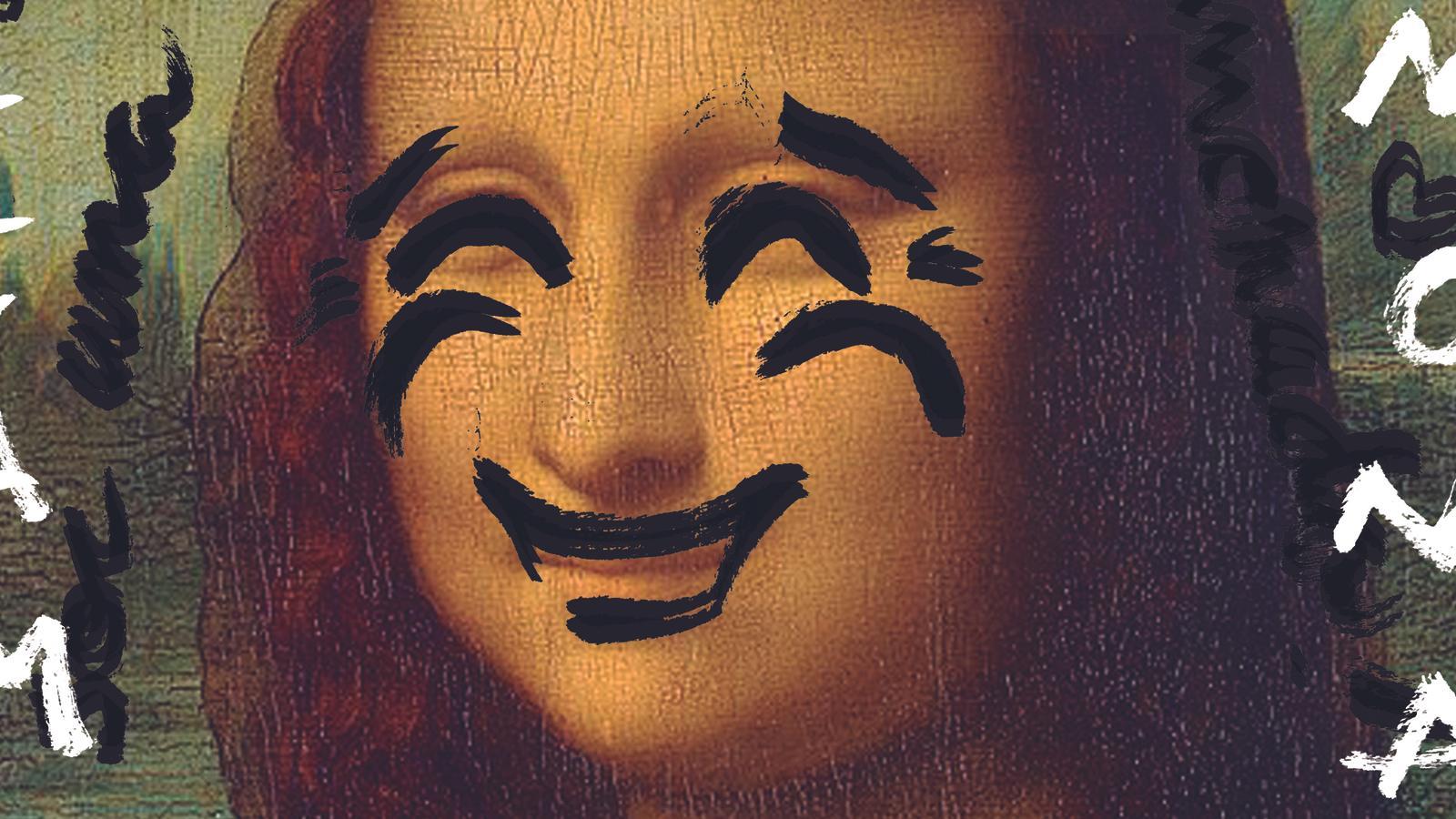
With one of those discharges, Duchenne identified a type of smile that activated the zygomatic muscle (the one that makes us raise the corners of our lips) and the orbicularis oculi (which causes wrinkles around the eyes). The result would be that smile that stretches our upper lip and lifts our cheekbones so much that our eyes close. You can try to rehearse the Duchenne smile in front of the mirror. Force the smile. Stretch the corners of your lips until the flesh of your cheekbones makes your eyes squint. Your eyelashes will slightly blur your vision and you will notice how your temples wrinkle slightly. Relax your shoulders, because if not, instead of smiling it will seem like you are suffering or anticipating a break. It also cannot look like you are straining.
This muscular activation, according to Duchenne, caused an expression that was associated with a deeper and more spontaneous emotion. Although the link with emotions was established from a strictly mechanical construction, over the years it has been interpreted as a genuine and authentic smile, related to the capacity for seduction and innate joy. So authentic that it has now become a patterned, trained, and obligatory instruction for politicians and other media celebrities desperately seeking a special connection with the public.
