This is how summers were in the only African country where Spanish is spoken (by imposition)
The writer Remei Sipi remembers her summer nights in Catalonia and Guinea
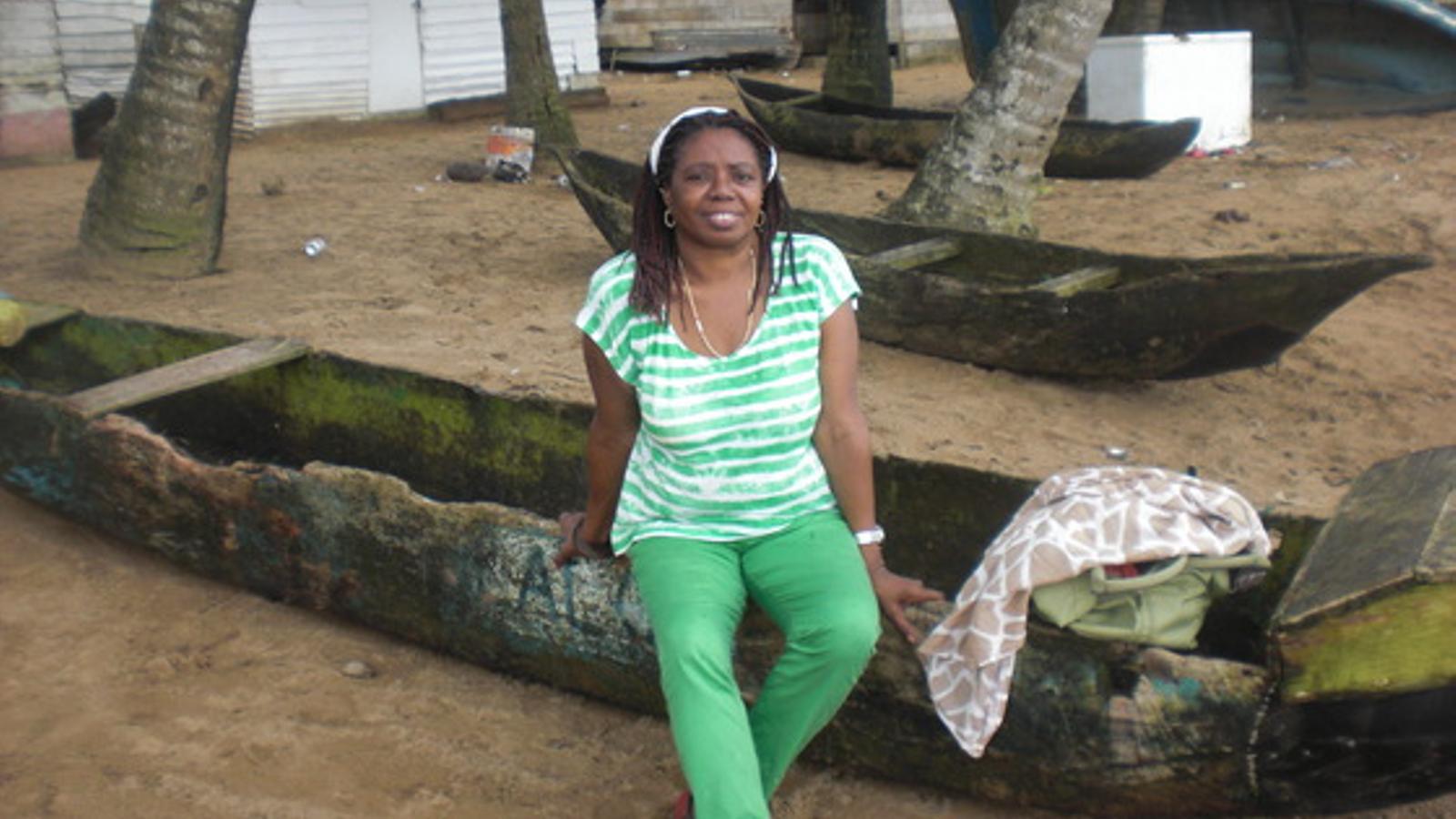

The first time Remei Sipi put on a sweater she was 16 years old. “It was when I arrived in Catalonia. Before, I had lived in a country, Equatorial Guinea, where there were no summers or winters, there was a sunny season and a rainy season, but it was always hot,” explains the writer, who still has a very vivid memory of the walk she took in the rain to go to school. “My friend would come to pick me up and to avoid getting wet, we would cover ourselves with banana leaves,” she recalls.
Equatorial Guinea was a Spanish colony until 1968, which is why Spanish is the official language there and the same festivities as in Spanish territory are celebrated in the country. The main festival of her town, Rebola, 9 kilometers from Malabo, was on April 27, the day of the Moreneta, the Virgin of Montserrat, the famous Catalan Romanesque carving. “That day in town we would put on plays and go for a swim in the sea,” says Sipi, who has a very happy memory of those nights in her country of origin. Along with happy memories, she has darker ones, such as the imposition of Spanish and the prohibition of speaking her mother tongue, Bubi.
Some of the most special summer nights she remembers were already in Catalonia and have to do with her cultural heritage. “When I was 20 years old, I spent the summer in a farmhouse in Mont-ras, where I babysat the children of the house. I remember telling them the stories my mother and grandmother had told me, and they loved them because they were very different from what they usually heard. They are tales that talk about animals, about coexistence and relationships between people, or about respect for the elderly,” explains Sipi, who a few years later published several books collecting these stories.
The writer has many memories of that summer she spent with the children of a Catalan bourgeois family between the farmhouse in Mont-ras and the beach of Calella de Palafrugell, and she highlights that she made friendships that, now that she is 74 years old, she still maintains. “One of the children I babysat is now the director of a bank in London. Sometimes I read about him in the press, but I no longer have contact with them,” explains Sipi.
The writer assures that long-lasting friendships and the will to build community are among her strengths. “With the friends I did high school with in Figueres, we still have lunch together once a year,” explains Sipi, who whenever she can escapes to Guinea and returns to walk along the white sand beaches of her hometown. “It’s a place that always transmits peace to me,” she concludes.
