Jean-Claude Juncker, guardian of the essences of a certain EU
The then President of the European Commission between 2014 and 2019 is today an institutional benchmark in a Union in a permanent state of crisis
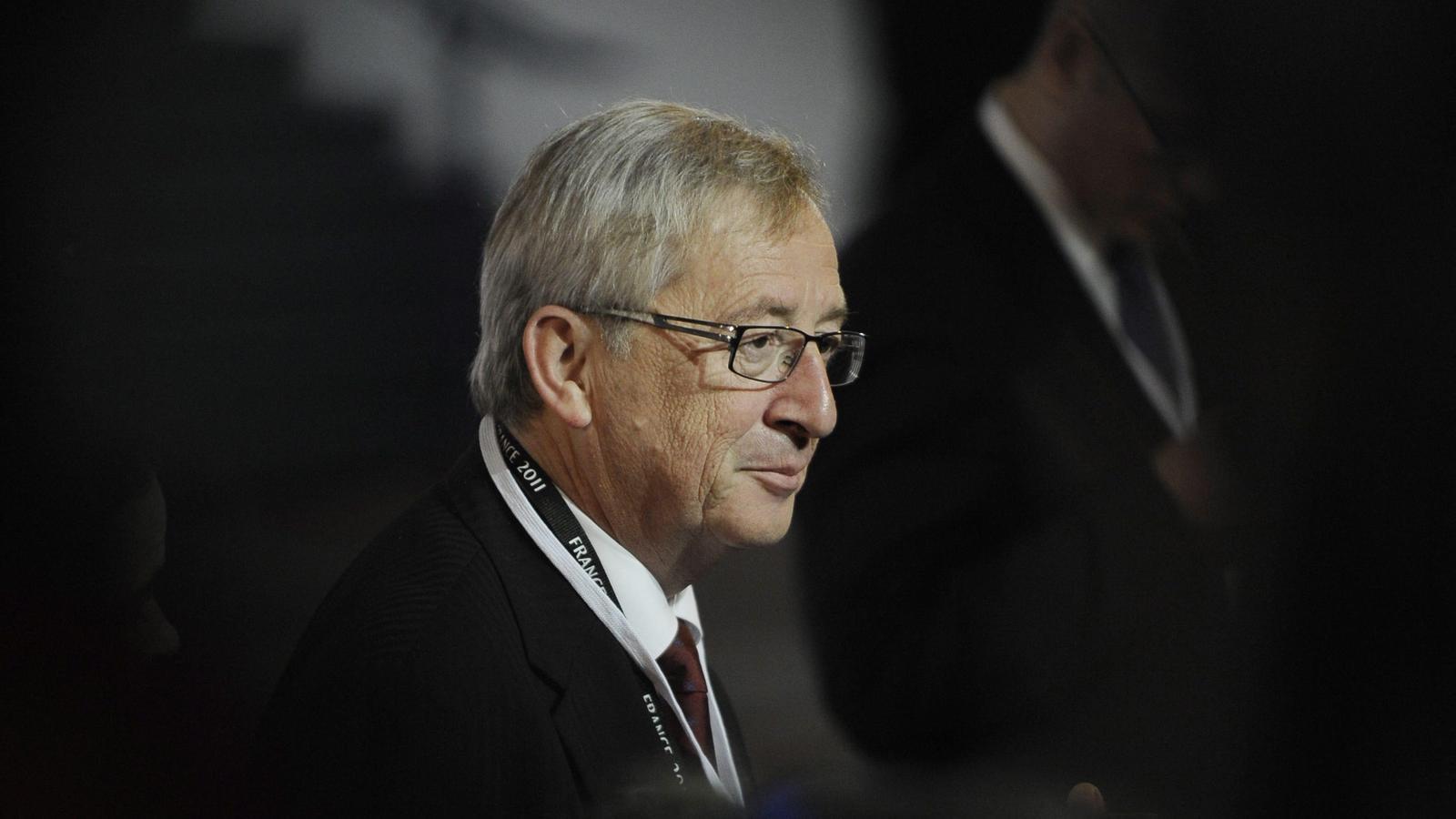

-
CAT -
CAST
LondonTen and twenty years ago, Jean-Claude Juncker's interventions were commonplace in the European institutional landscape. Juncker, President of the European Commission (2014-2019) and, before that, the first president of the Eurogroup (2005) – Mr. Euro–, today occupies a liminal space: between the guardian of the essences of Europeanism and the alarm bell against internal and external threats to the EU.
Despite his long career – he was also Prime Minister of Luxembourg (1995-2013) – he has not yet published the memoirs he claims to be writing. If they ever reach bookstores, he will have to refer to a period marked by the euro crisis, the 2015 immigrant crisis, the Brexit crisis, and the first Trump in the White House. As he himself said about Boris JohnsonBoris Johnson, Juncker is also "a piece of work": quite a character. A character overshadowed by some shadows, such as the circumstances of his resignation as Prime Minister of his country, following a parliamentary investigation into illegal activities of the secret services.
He is seventy-one years old and in precarious health, with sciatica problems resulting from a car accident in 1989. He lives in Luxembourg, although he maintains an office at the Berlaymont, the EC headquarters. Juncker is a privileged witness to an era when the EU trusted in debatable fiscal discipline, technocracy, and the ability to manage crises without fracturing. He has replaced political activity with words that no longer seek to influence the agenda, but to interpret it, offering very general recipes: the next public conference he will give, on September 22nd, at the fourth edition of the Finance Forum Zurich, is an example: Europe between crises and opportunities. Today, his track record is, in practice, a denunciation of the poor [iron?] health of the Union.
