"You question if you should have stayed silent": encountering the administration when reporting gender-based violence
The number of complaints of institutional malpractice for not believing women and child victims of assaults is growing
-
CAT -
CAST
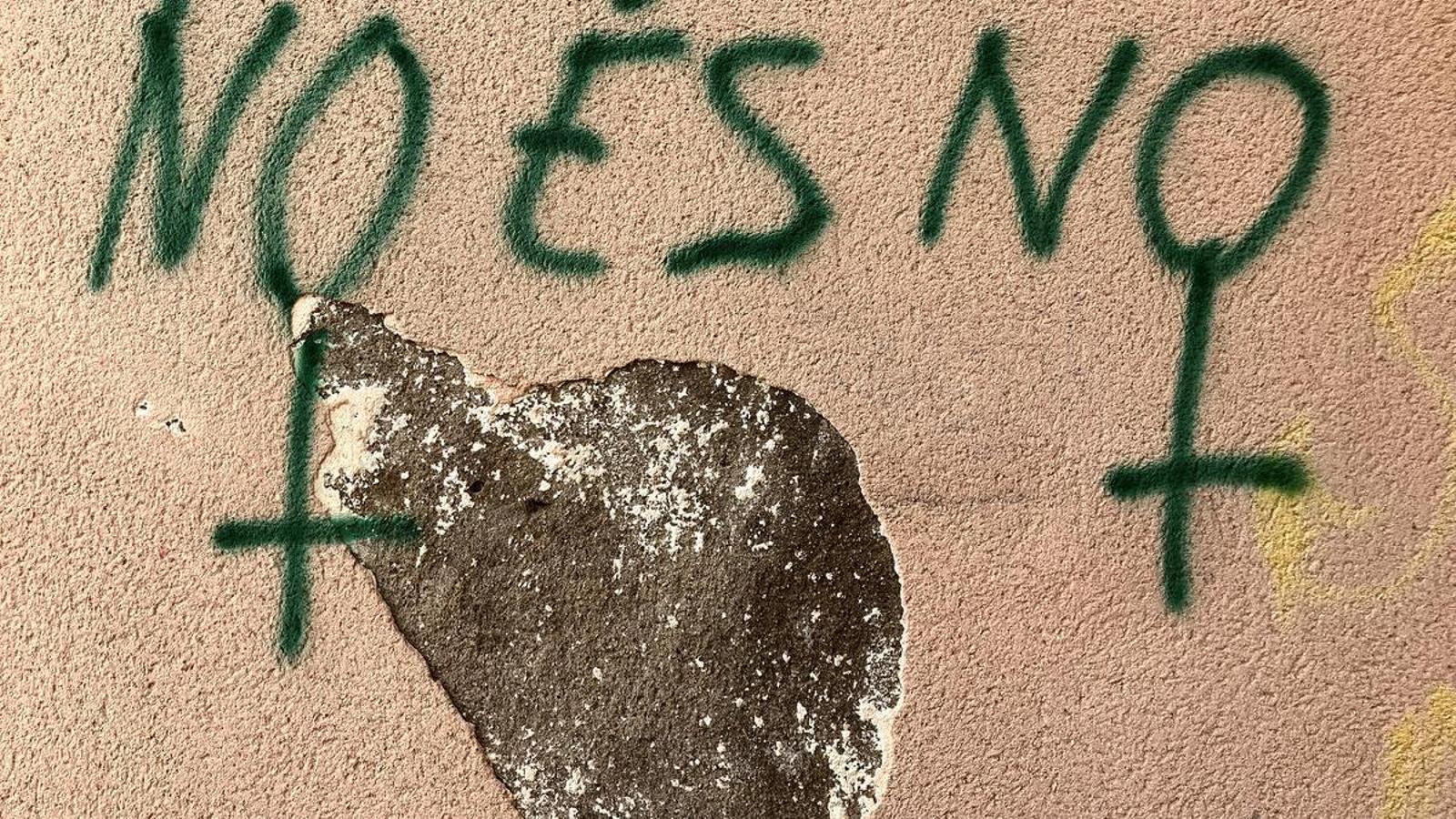
BarcelonaThey feel confused, alone, and insecure, wondering if, despite the calls to report the abuser, they haven't made a mistake, given that in courts, at the police station, or at the health center, they encounter little empathy from the professionals who are supposed to protect them. "You question if you did the right thing, if you should have stayed quiet," explains a woman through the anonymous channel opened by theObservatory of Institutional Machista Violence (OVIM) of the State to visualize the mistreatment that public services still inflict on these women. Last year, it received 139 reports, twenty more than in 2024 – the first year of operation – but the promoters admit that there is a high rate of underreporting.
As in previous years, the administration most singled out for malpractice is justice, with 60% of the total complaints, a figure that represents an 8% increase compared to the previous year. It is followed by the police, who account for 11% of the reports, and healthcare, with 7.5%. Machista violence in this institutional sphere is not limited only to women, but also acts against the rights of children and adolescents, as according to the reports received, the pattern of obstruction of access to protection and justice for these minors is repeated in the courts.
Minors are often forced to live with or maintain relationships with an abusive father or are threatened with being separated from their mother, comments Júlia Vega, founding partner of Almena and spokesperson for OVIM. At this point, she criticizes that these decisions contradict the machista violence law and the Civil Code, which allow for the suspension of visitation rights in cases of suspected abuse. Vega points out that one of the main errors is that judges do not have a perception of risk for children and do not take their will into account. Therefore, the Observatory demands that protection orders for a woman be automatically extended to her children.
Without information
70% of the complaints that have reached the Observatory have been written directly by women, but testimonies of the experiences of children and adolescents have also been found. Both highlight that they have felt little accompanied throughout the complaint process or in the care received from socio-sanitary services. One case is that of Juana, who survived years of violence at home, and regrets that neither the assigned legal aid lawyer nor the police nor the court staff explained to her what would happen once she reported her husband, to the point that the hearing she thought was the trial was only the preliminary proceedings. The same Juana describes her visit to municipal social services as a "terrifying" experience, because the professionals were unable to understand her; they made her feel in a continuous "trial" about her ability to be a mother. "I had the feeling that they were looking at me as if I wanted to benefit from something, as if I were taking advantage of the situation," explains the woman, who says she received no help nor was she able to opt for one of the social housing units reserved for battered women. The memory also includes the testimony of Fatou, Elivira, and Ana, three girls who had been placed under the guardianship of the administration and who describe the trauma of being torn from their families and spending years living in a reception center. The young women do not spare details of all the psychological suffering they carry from that experience in which no one took them into account or believed them. Vega points out that on a scale of 0 to 5, 98% of the testimonies report "serious consequences for emotional health" and in 93% of cases a high impact in the legal or administrative sphere is also noted, while in 79% it is stated that they have physical sequelae.

Gratuïts i confidencials
Generalitat de Catalunya
Emergències
Mossos d’Esquadra
900 900 120 / 016
112
601 00 11 22
(WhatsApp)

Gratuïts i confidencials
Generalitat de Catalunya
Emergències
900 900 120 / 016
112
Mossos d’Esquadra
601 00 11 22
(WhatsApp)

Gratuïts i confidencials
Generalitat de Catalunya
Emergències
900 900 120 / 016
112
Mossos d’Esquadra
601 00 11 22
(WhatsApp)
