Culture, language and tourism, a good alliance
To connect Barcelona's global appeal even more with its cultural identity allows for the consolidation of a tourism model that, in addition to generating economic activity, contributes to projecting Catalan culture to the world
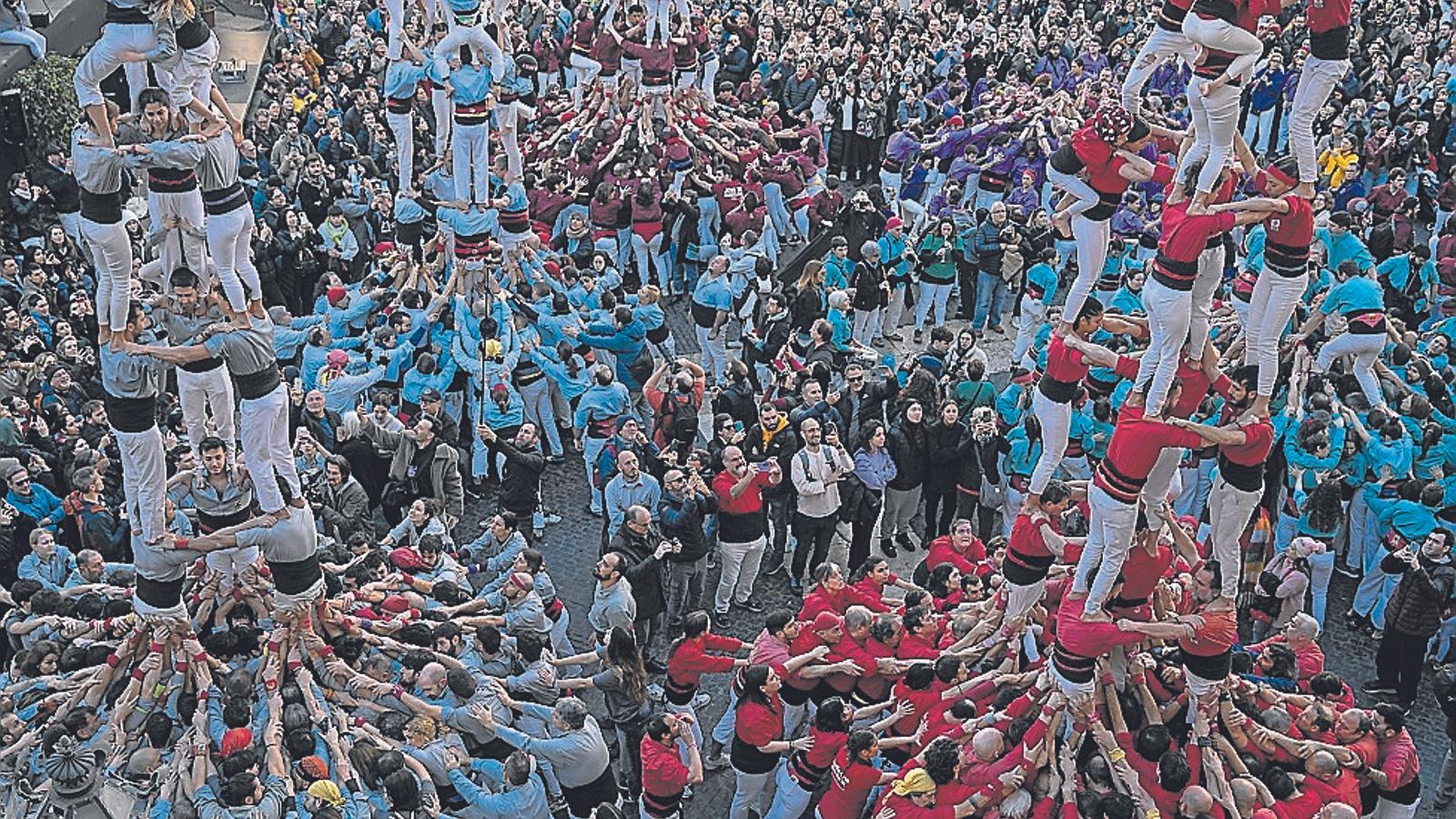
-
CAT -
CAST
Tourism has become an opportunity for the cultural projection of cities and a source of funding for many cultural facilities, and in Barcelona it contributes to internationally reinforcing its own heritage, creativity, and identity.
A tourist gets off the metro at the Sagrada Família, raises their mobile phone, and focuses on the towers. Afterwards, they will walk towards Park Güell, perhaps enter a museum, or end the day in a restaurant in the city center. On this journey, Barcelona not only offers a postcard: it also conveys a way of being, a language, a culture, and its own identity that are part of the city's experience.

- If you want to investigate the graph in more detail, open the high-resolution version in another tab.
Beyond the economic impact, cultural tourism generates activity, social return, and new opportunities to bring one's own culture closer to both visitors and citizens. Barcelona is not only a desired and admired city: it also conveys its own way of being, a language, a culture, and an identity that are part of the city's experience.
In 2025, the city hosted 16 million tourists; 79% of visitors engaged in cultural activities, and the rating of culture reached 9 out of 10. The data show that culture is one of the city's main attractions and an internationally recognized asset. Museums also reflect this impact: seven out of ten visitors are international, and the revenue from tickets contributes to promoting exhibitions and cultural programming that benefit all citizens.
This cultural projection is also perceived by Barcelonians. According to the 2025 Tourism Perception Survey in Barcelona, conducted by the Barcelona City Council, almost half of the population considers that the city sufficiently or very much conveys its identity, culture, and values to visitors, with an average score of 6.2 out of 10.
Furthermore, the idea that tourism can become an opportunity to give visibility to heritage, popular culture, gastronomy, neighborhoods, and the Catalan language is gaining more strength: 4.7% identify culture as a benefit of tourism, far from the 75.4% who highlight the economic impact, so the growth margin is high.
This difference highlights Barcelona's enormous potential to consolidate tourism also as a tool for cultural and identity projection, further strengthening the link between visitors, heritage, and Catalan culture in social perception. Connecting Barcelona's global appeal even more with its cultural identity allows for the consolidation of a tourism model that, in addition to generating economic activity, contributes to projecting Catalan culture to the world.
