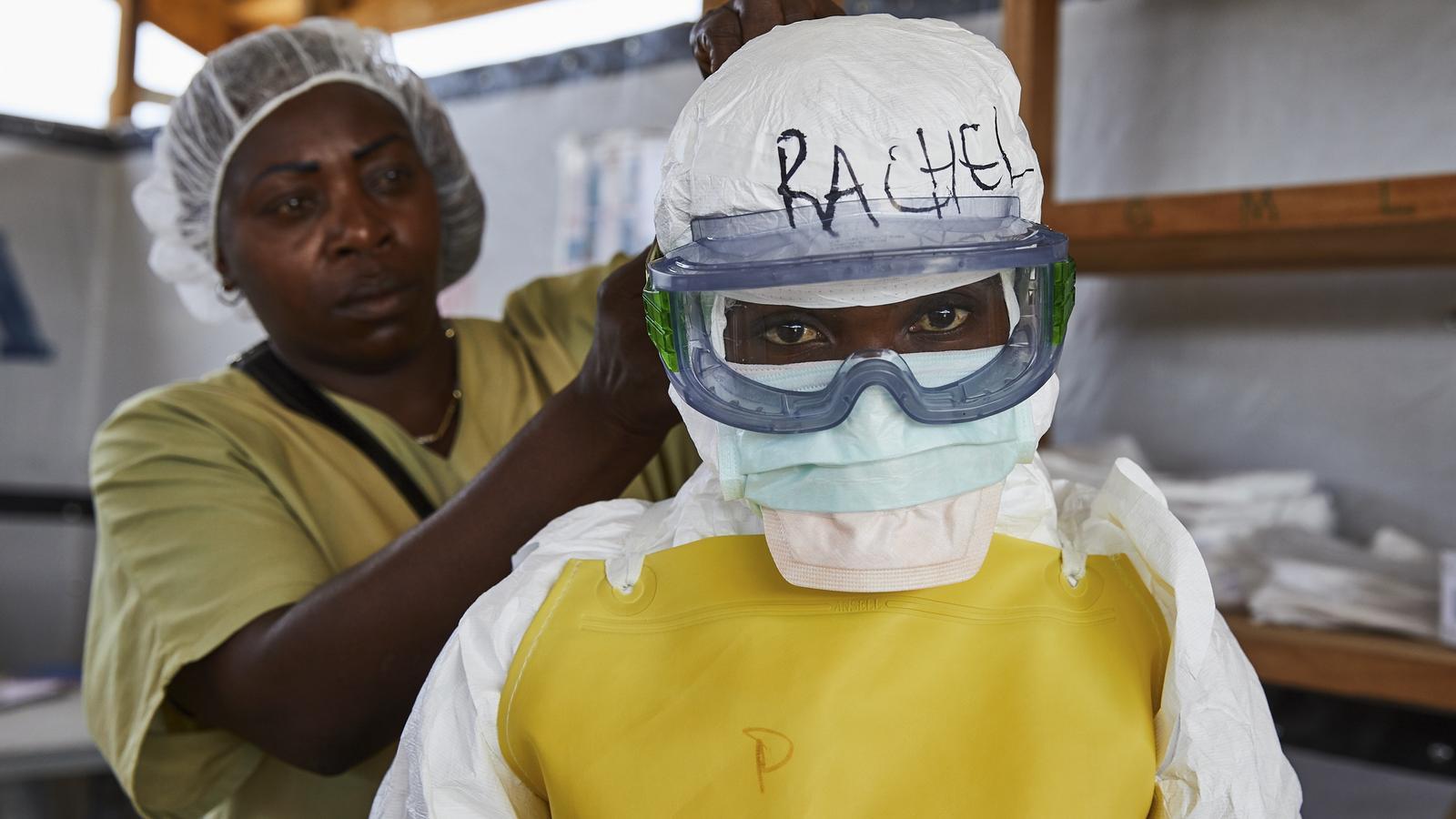
BarcelonaThe new Ebola outbreak in the Democratic Republic of Congo is a "public health emergency of international concern", according to the World Health Organization (WHO). With more than 300 probable cases and at least 88 reported deaths, health authorities fear that this outbreak may have a possible geographical spread greater than expected – it affects border areas with Uganda, but there is also a case in the Congolese capital, Kinshasa, about 3,000 kilometers away by road. Given this serious information, however, the Spanish government calls for calm: "with the available information" the risk of transmission "in the Spanish population is considered very low" and, therefore, it rules out imposing travel restrictions or commercial activities with either country, although it advises against traveling to the affected areas.
"There are no direct flights between Spain and these countries, and travel is done via connecting flights. However, given the declaration of a public health emergency of international concern and the risk of regional spread, travel to the areas affected by the outbreak is not recommended: Ituri province and the city of Kinshasa in the DRC and Kampala in Uganda", states the Spanish government in the latest situation report. In fact, the WHO considers that the risk of contagion for the general traveler who adopts the recommended precautions is low, "with healthcare personnel and frontline workers participating in the outbreak response being the group at highest risk of exposure".
Nevertheless, the authorities of the Democratic Republic of Congo and Uganda have implemented exit controls at airports, ports and main border crossings, which include an epidemiological questionnaire and temperature checks. "No one with symptoms compatible with the disease will be allowed to travel," indicates the WHO.
For individuals who may have returned to Spain in recent weeks from either of these two states, the Ministry of Health asks that they be "attentive" to their health status for 21 days following their return. If during this period they present any of the following symptoms –sudden fever, intense weakness or fatigue, headache, muscle or throat pain, vomiting or diarrhea, skin rashes or internal or external bleeding–, they must isolate themselves immediately and contact the emergency number 112, reporting the symptoms and recent travel. "They should not go to emergency rooms or health centers without prior notice," emphasizes Health.
Ebola virus disease (EVD) is a severe, often fatal viral illness in humans, first detected in 1976. Five different species have been identified in the genus Ebolavirus. The 2014-2016 EVD outbreak in West Africa, which primarily affected Guinea, Sierra Leone, and Liberia, has been the most extensive and complex to date with over 28,600 cases and 11,325 deaths. This outbreak was caused by the Zaire species (EBOV). In this case, the variant responsible for the outbreak is Bundibugyo, documented very few times until now (in 2007 and 2012) and for which there is no approved specific vaccine or treatment –there are investigations with antivirals underway–, unlike what happens with the Zaire strain.
Measures to prevent infection
Travelers in affected areas should:
• Avoid contact with symptomatic patients and with bodily fluids of sick or deceased persons.• Avoid contact with potentially contaminated objects such as clothing, bedding, needles, or medical equipment.• Avoid consuming wild animal meat and contact with wild animals, both alive and dead.• Wash your hands frequently with soap and water or with an alcohol-based hand sanitizer.• Do not participate in burial ceremonies or funeral rituals that involve contact with the corpse.• Maintain safe sex practices.