Trapped in Afghanistan: I have to invent a husband who doesn't exist to be able to leave the country

-
CAT -
CAST
KabulAfter months of uncertainty, it finally seemed that a door had opened for me. Following the reading of my chronicles in the newspaper ARA and learning that women in Afghanistan have no possibility of continuing our studies in the country due to the Taliban's restrictions, a Catalan businessman, an ARA reader, contacted me to offer to cover the cost of a journalism master's degree so I could complete my studies abroad. When I received the news, I felt that years of effort, hope, and resilience had finally led somewhere. For the first time in a long while, I allowed myself to imagine a future beyond survival.
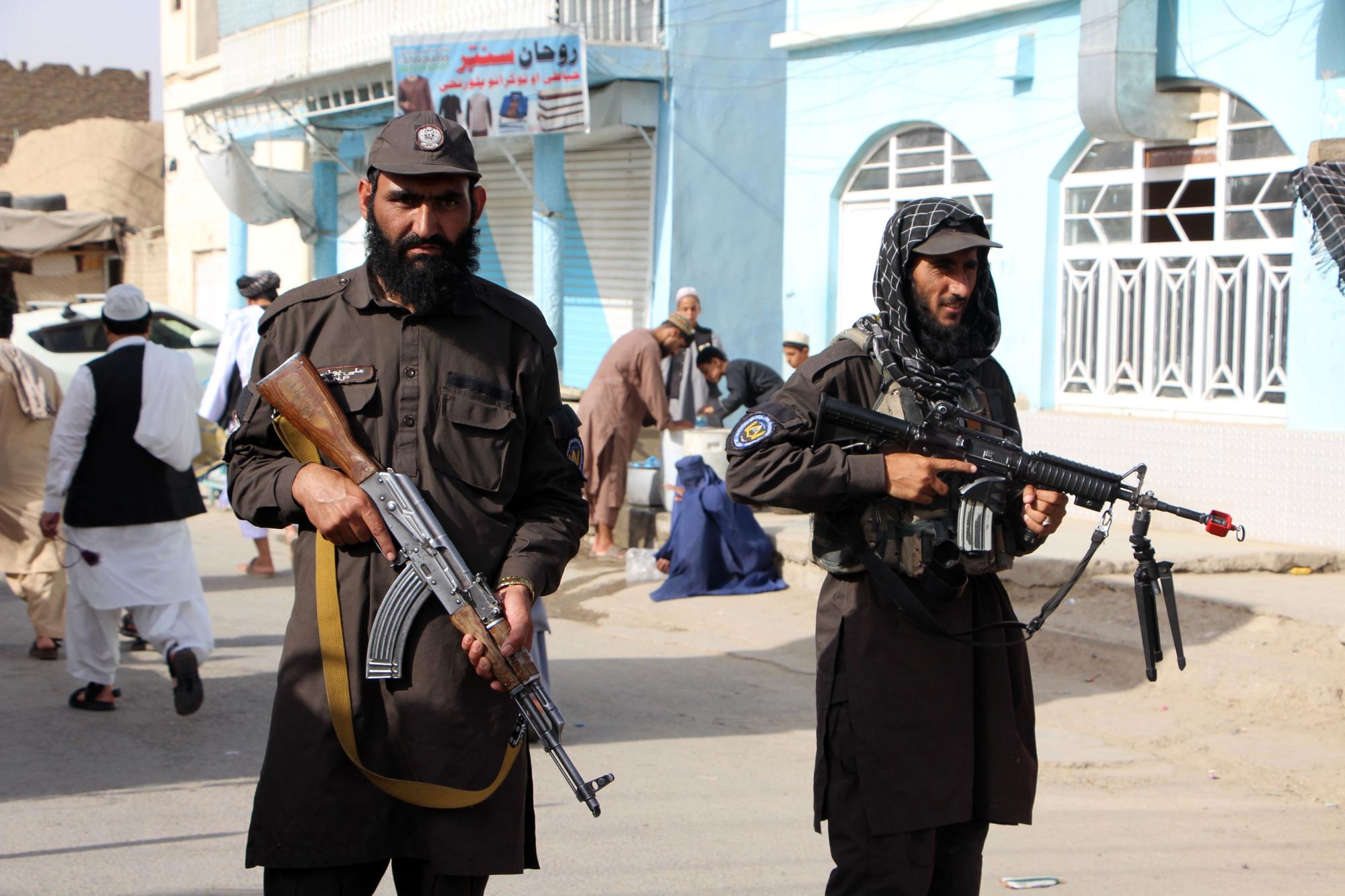
But I soon learned that in today’s Afghanistan, even when a path to freedom appears, new barriers are waiting. One of the documents required for my visa application was a police clearance certificate, a document many embassies request to confirm that an applicant has no criminal record. To obtain it, I went to the Taliban’s Ministry of Interior accompanied by my older brother.
We arrived shortly before eight in the morning. The sun was just rising over Kabul, and a long line had already formed outside the ministry gates. Young women stood beside their fathers and brothers, folders filled with documents clutched tightly in their hands. Some had traveled from distant provinces. Others quietly discussed the scholarships they had earned after years of studying and hard work. As I looked at their faces, I saw hope, the kind of hope that appears when a door has been closed for years and suddenly opens just a few inches.
My brother stood beside me holding our documents. We had prepared everything carefully. Because I knew the Taliban would likely refuse to issue the certificate to a woman traveling alone, my brother had submitted an application alongside mine to make it appear that we would be traveling together. To avoid complications, we had even written that our destination was Saudi Arabia.
My brother's consent
When the process began, my brother was directed to the men’s section while I entered the women’s section. One of the officials looked at my application and identity card before asking “who did you come with?”. “My brother”, I replied. He instructed me to bring a copy of my brother’s identity card and a written statement confirming that he permitted me to travel.I did not argue. If one signature could help me obtain the document, I was willing to comply.
My brother wrote the letter and took it to the relevant official for approval. Then, however, everything suddenly changed. Because there were so many female applicants that day, the authorities quickly realized that most of us were seeking the certificate for educational purposes. Without warning, the process stopped. They told that police clearance certificates would not be issued to women.
One of the men accompanying his daughter protested. He explained that he had personally given his permission and traveled there with her. But the response from Taliban officials was humiliating. “You want your daughters to become prostitutes”, one official reportedly said. “We will not allow it.”
When my brother emerged from the building alongside the other men, I immediately knew from his face that something had gone wrong. Many of those fathers and brothers had personally accompanied the women. They had written consent letters. They had done everything required. None of it mattered.
That day, more than ever before, I felt what it means to be a woman in Afghanistan: to have no authority over your own future. Even if your father agrees. Even if your brother supports you. Even if you earn a scholarship. Even if you meet every legal requirement. Someone else can still decide that your future does not belong to you.
I could not stop my tears. My brother tried to comfort me, but my mind was racing with questions. What would happen if I could not obtain this document? What if this opportunity disappeared? How many other girls had reached this exact point only to be stopped?
A lie
Among all the disappointed faces that day, only one young woman had successfully completed the biometric process. She was the only person who seemed relieved. While the rest of us stood outside uncertain and defeated, she had been told that she could collect her certificate within two days. Curious, I asked how she had managed it. At first, she told me that she was engaged to a man living in the United Kingdom.
But when she saw dozens of other girls standing nearby, exhausted and hopeless, she quietly approached us and admitted the truth. “I don’t have a fiancé,” she said. “It’s all a lie”. Then she explained the method she had used.
She advised us to return a few days later and claim that we were traveling to join a fiancé abroad. If we had a friend or relative living outside Afghanistan, she said, we should ask them to send proof of residency and present them as our future husband. She explained that we should tell officials that we would first travel with a brother to a third country and then marry our fiancé there.
As I listened to her, I found myself unable to speak. In a country where we were taught from childhood that lying is wrong, the only path left for a woman seeking education was to invent a husband who did not exist.
What troubled me most was not only my own future. It was the future of an entire generation of Afghan women.When girls are denied education inside the country and simultaneously prevented from pursuing education abroad, the loss extends far beyond a scholarship or a single student. Dreams disappear. Careers disappear.
The teachers, doctors, journalists, engineers, and researchers who could have helped shape Afghanistan’s future may never become who they were capable of being. This is not merely a personal loss. It is a national one.No country can deliberately exclude half of its population from education and expect its future to remain unharmed.
