The astrophysicist who was banned from using telescopes for being a woman and who inspired the phrase "We are made of stardust"
A selection of science-related suggestions for this August
27/07/2026 - 17:18 h
-
CAT -
CAST
“Fallen from the sky”, John Naylor (Akal, 2005)

This guide is an essential classic for anyone who wants to understand the firmament and know how to observe its natural phenomena. It has some chapters focused on the night sky, but what makes this book truly special is the attention it pays to observing the daytime sky. The descriptions of the phenomena are suitable for all audiences and are complemented by illustrative photographs. The author expands on the scientific concepts with historical and mythological notes, offering a broad and contextualized vision, but without ever losing the rigor that underpins this work. Furthermore, since it focuses only on what we can see with the naked eye, we will not need any equipment to enjoy the spectacles the sky offers us!At a glance
Three years, three solar eclipses
Exceptionally, in Catalonia we will be able to see a total eclipse this 2026, a partial eclipse in 2027 and an annular eclipse in 2028. A solar eclipse occurs when the Moon passes between the Sun and Earth, blocking the Sun's light and casting its shadow on Earth.Pioneer
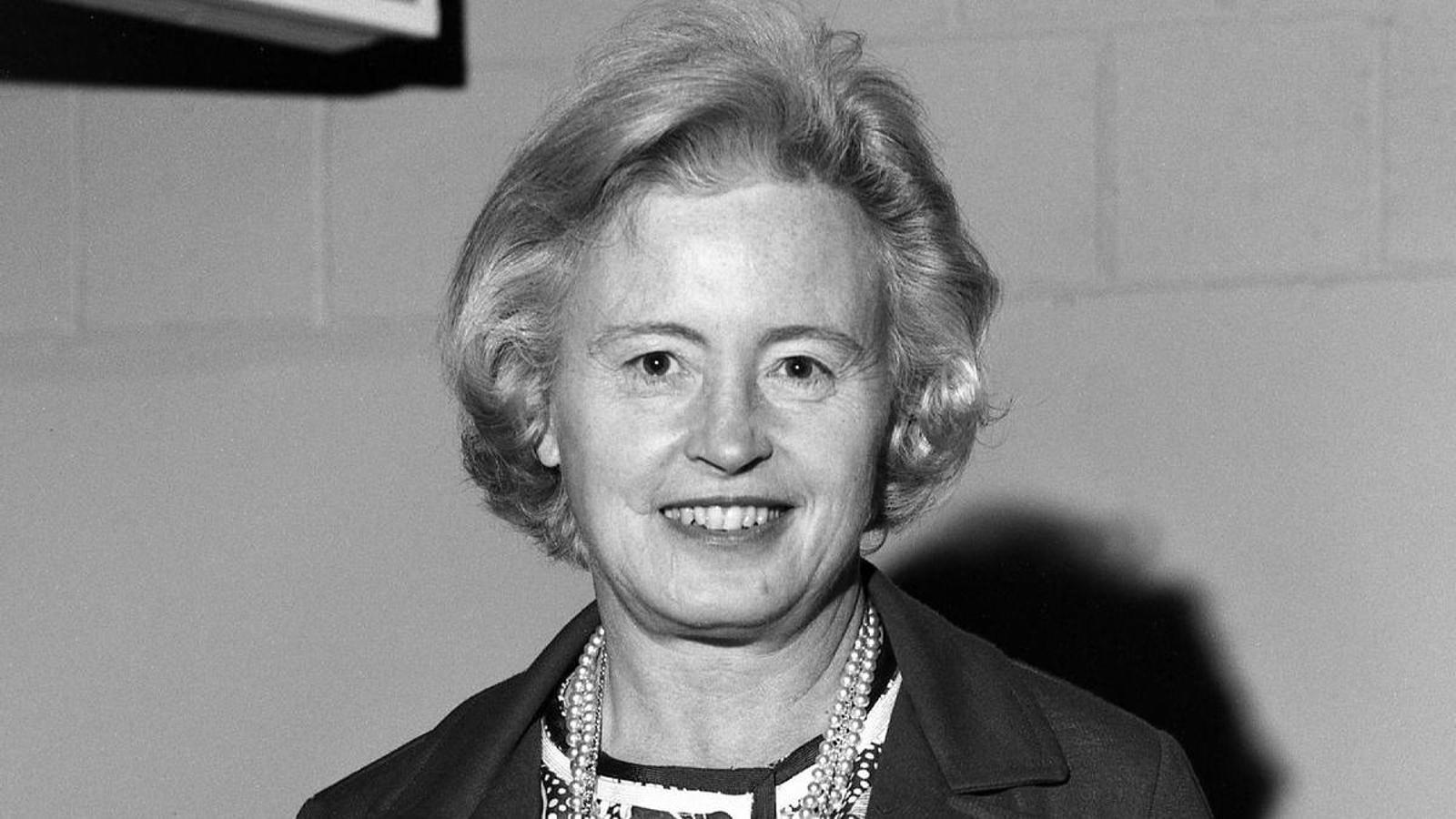
On August 12, 1919, Margaret Burbidge was born

Astrophysicist, astronomer, and one of the founders of modern astronomy. Her career was marked by the fight against gender discrimination: she was often denied the use of telescopes for being a woman. But overcoming obstacles, she was the first author of the paper that demonstrated that most known chemical elements are formed inside stars. From this came the inspiring phrase that "we are made of stardust".Agenda
Solaris citizen science project
Available on app, from July 12th

The Department of Research and Universities of the Generalitat de Catalunya is promoting this research, which aims to study how the human body reacts during a total solar eclipse, for the first time, with a large population sample. Any person who has a smart watch, downloads the project's application, and observes the eclipse, both with total and partial vision, can participate anonymously. For five days – the day of the eclipse, two days before, and two days after – the biometric data of each participant will be collected to understand how our heart and respiratory rates change. For more information, you can consult the website EclipsiCatalunya.cat.Talk “Paths to the cosmos. Exploring how to become an astronaut”
CosmoCaixa Science Museum, on July 30th at 7 p.m.

A meeting with astronaut and aerospace engineer Pablo Álvarez Fernández. Graduated by the European Space Agency (ESA) in 2024, he is the second person in the history of the Spanish state to become an astronaut, preceded only by Pedro Duque. A unique opportunity to discover first-hand the path to becoming an astronaut: dreams, challenges, and what it really means to train to go to space.Exhibition 'Extraterrestrials. Is there life beyond Earth?'
CosmoCaixa Science Museum, until August 30

Last days to enjoy this proposal dedicated to the possibilities of extraterrestrial life. The exhibition aims to shed light on some of the big questions about our existence in the Universe. It addresses the possibility of finding planets that can host life and, at the same time, takes a tour through the history of the human search for life beyond Earth. This activity is free with museum admission.
