The Iran war makes CO₂ emissions fall for the first time since the pandemic
China has already reached its peak, earlier than expected, and falls for the first time by 0.9% in 2026 after three years of stagnation


-
CAT -
CAST
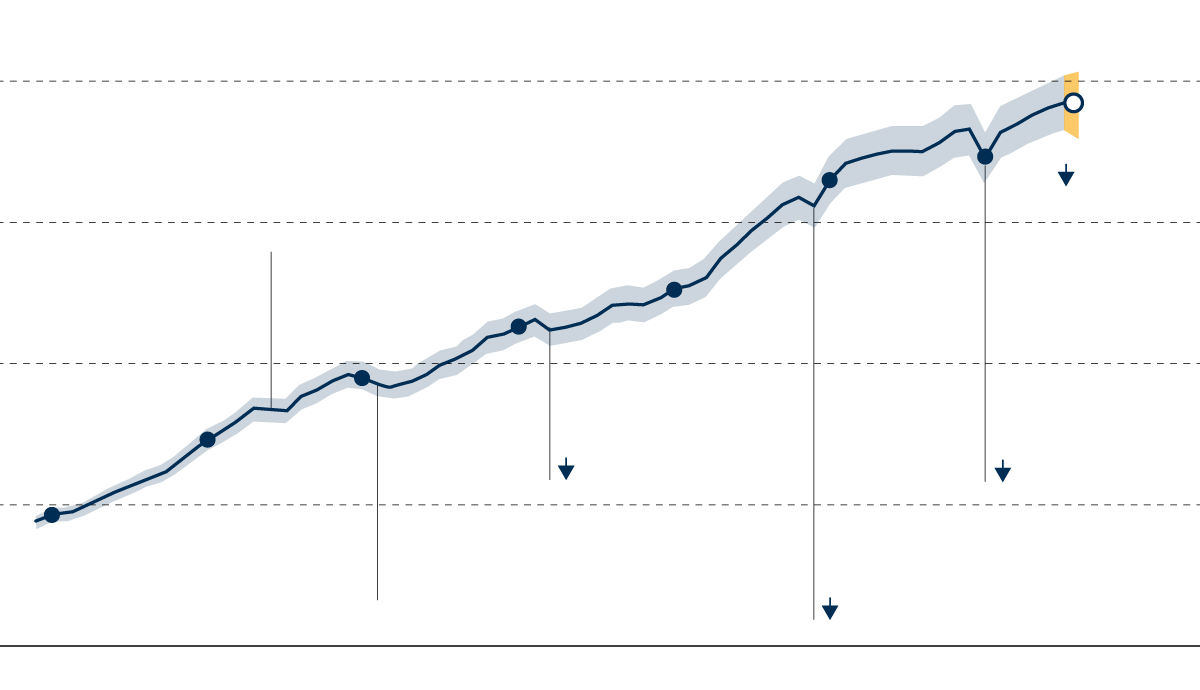
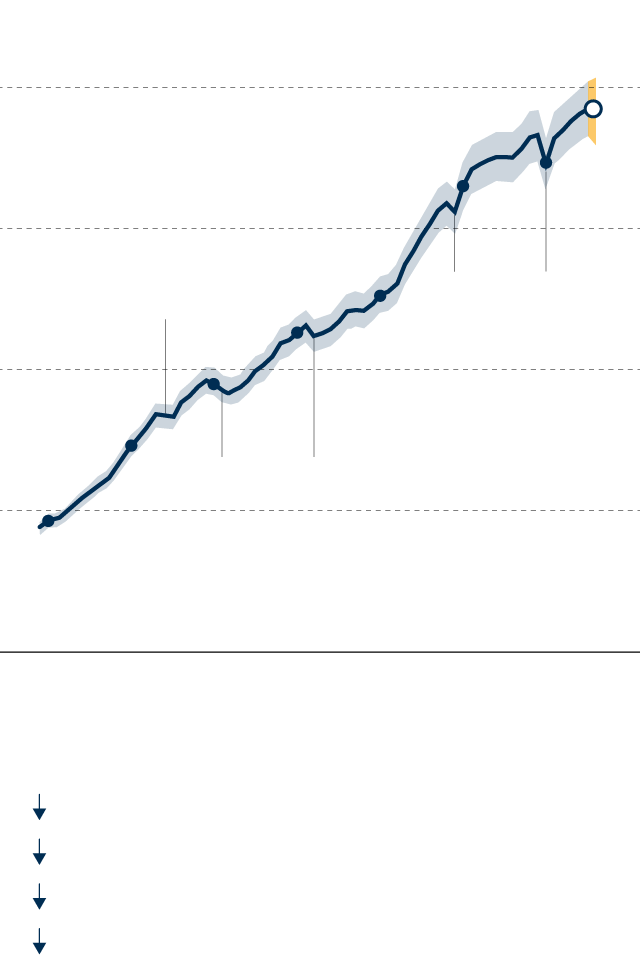
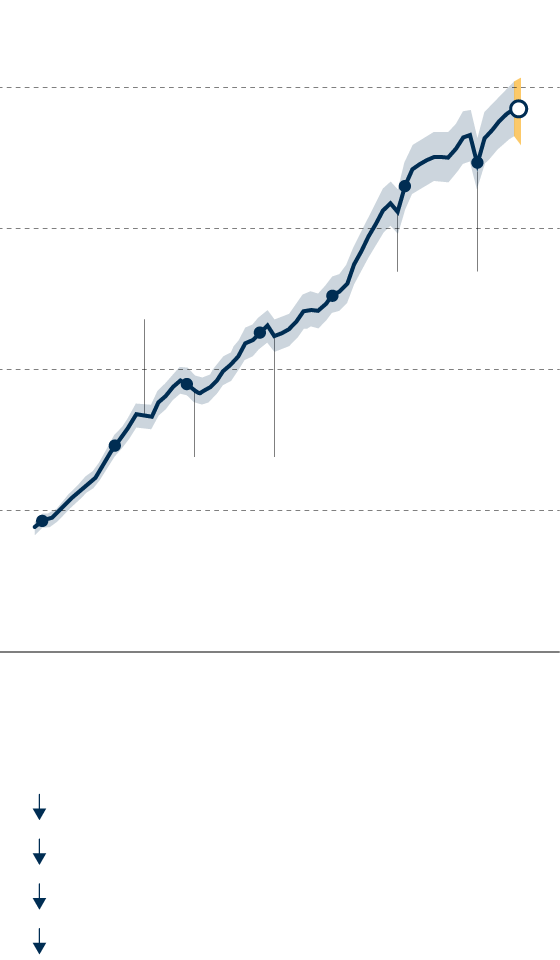
BarcelonaIt was not Donald Trump's goal, but the war in Iran has had an unexpected positive effect. For the first time since the COVID-19 pandemic, global CO₂ emissions have fallen instead of rising and have decreased by 0.4%, according to the annual Global Carbon Project report published this Tuesday during the UN climate summit, COP31 in Turkey. "If the war in Iran had not happened, emissions would have grown again this 2026," Josep Canadell, executive director of the Global Carbon Project and head of climate science research at the CSIRO center in Canberra (Australia), asserted in a press conference.
Renewable energies are growing very rapidly, but they alone have not reduced emissions. Had it not been for the blockade of the Strait of Hormuz, which has sent the price of a barrel of Brent crude soaring and reduced oil burning around the world, emissions would have continued to rise as they do every year. Why? Because right now renewables are not replacing fossil fuels, but rather are being used to cover part of the rise in global energy consumption.
"We do not see energy demand stopping its growth in the coming years; it does not seem likely. What we do see is that renewables are growing exponentially and in three or four years they will be at the same level as energy growth, and, therefore, we will then reach a peak in global emissions," adds the Catalan scientist. According to Canadell, then, around 2030, global CO₂ emissions would reach their peak, when solar and wind will finally be capable of providing an amount equivalent to the entire energy increase of that year. However, he admits that in 2027 we will likely still see a new rise in emissions because there will be "a bit of a rebound" after this year's drop due to the Iran crisis.

Projecció del 2026
38,2 Gt CO₂
40 Gt CO₂
0,4%
(-1,5%
a 0,6%)
30
Primera crisi de
l’oli (petroli)
20
Dissolució de
la Unió Soviètica
Pandèmia de
la covid-19
3,3%
5,7%
10
Crisi financera
global
Segona crisi de
l’oli (petroli)
1,5%
0
1960
1970
1980
1990
2000
2010
2020
26
Projecció del 2026
38,2 Gt CO₂
40 Gt CO₂
F
30
D
E
A
20
B
C
10
0
1960
1970
1980
1990
2000
2010
2020
A
Primera crisi de l’oli (petroli)
B
Segona crisi de l’oli (petroli)
C
3,3% Dissolució de la Unió Soviètica
D
1,5% Crisi financera global
E
5,7% Pandèmia de la covid-19
F
0,4% (-1,5% a 0,6%)
Projecció del 2026
38,2 Gt CO₂
40 Gt CO₂
F
30
D
E
A
20
B
C
10
0
1960
1970
1980
1990
2000
2010
2020
A
Primera crisi de l’oli (petroli)
B
Segona crisi de l’oli (petroli)
C
3,3% Dissolució de la Unió Soviètica
D
1,5% Crisi financera global
E
5,7% Pandèmia de la covid-19
F
0,4% (-1,5% a 0,6%)
The weight of Trump's war in the Middle East becomes clear when emissions are calculated by fuel type. In 2026, emissions derived from oil are the ones falling (1.9% less) and, in fact, it is the first time they have fallen since the COVID-19 lockdown. The only fossil fuel that continues to increase its emissions is coal, up 0.6%, as when oil is scarce, many economies revert to coal.
And this has caused emissions in the United States and the European Union to fall again. In 2025, the first year after Donald Trump's arrival at the White House, both the USA and the EU broke their downward trend and once again increased CO₂ emissions. But in 2026, they will emit 1.3% and 1.5% less CO₂ than in 2025, respectively. Even China will reduce its emissions (by 0.9%) for the first time since the pandemic, also dragged down by the Hormuz crisis.
The peak of emissions in China
And this is the second piece of good news provided by the Global Carbon Budget 2026: China has already reached its peak in emissions. The Asian giant is the country that emits the most CO₂, and therefore what it does will have a major impact on a global scale. "In the last three years there has been no growth [in China's emissions] and this year there has been a small drop, which we could say has also been due to the impact of the war in Iran, but when we accumulate these four years of no growth, it can be said that we have already reached a peak," explained Canadell. "I think China is already there," at the peak, he said. If confirmed, the Xi Jinping government would have reached the peak much earlier than it had promised to the UN, following its strategy – contrary to that of Western countries – of promising little but delivering much more.
Canadell, who received the Margalef Ecology Award this 2026, emphasized the great technological transformation that China has driven towards renewable energy. "Right now they have two systems in parallel for generating electricity, the fossil fuel one and the renewable one, and very soon the renewable one will be the largest, the one that provides the most electricity. And this is starting to have an effect on emissions, in addition to the fact that 60% of their car stock is electric," explains Canadell.
On the other hand, the scientist is convinced that the impact of the denialist policies of Donald Trump's government, which has returned to betting heavily on fossil fuels, has not been great enough to derail the global trend. "Trump has slowed down the process quite a bit, but he hasn't stopped it," he asserts, and explains that many of the transformations towards green technologies within the United States "have continued to happen" thanks to the courts blocking Trump's measures and the impetus from economic sectors and more progressive local administrations.
The great power that is still growing in CO₂ emissions is India, which this 2026 will emit 4.4% more. "And it will continue to do so for a few more years, but it must be taken into account that it is also the second world power in the implementation of new solar energy capacity, after China," points out Canadell. And he still points to one last hopeful piece of data: the report has counted up to 59 countries that today have lower CO₂ emissions than before the covid-19 pandemic and that, nevertheless, have maintained GDP growth.
