Prejudices in medicine continue to condition the health of women
-
CAT -
CAST
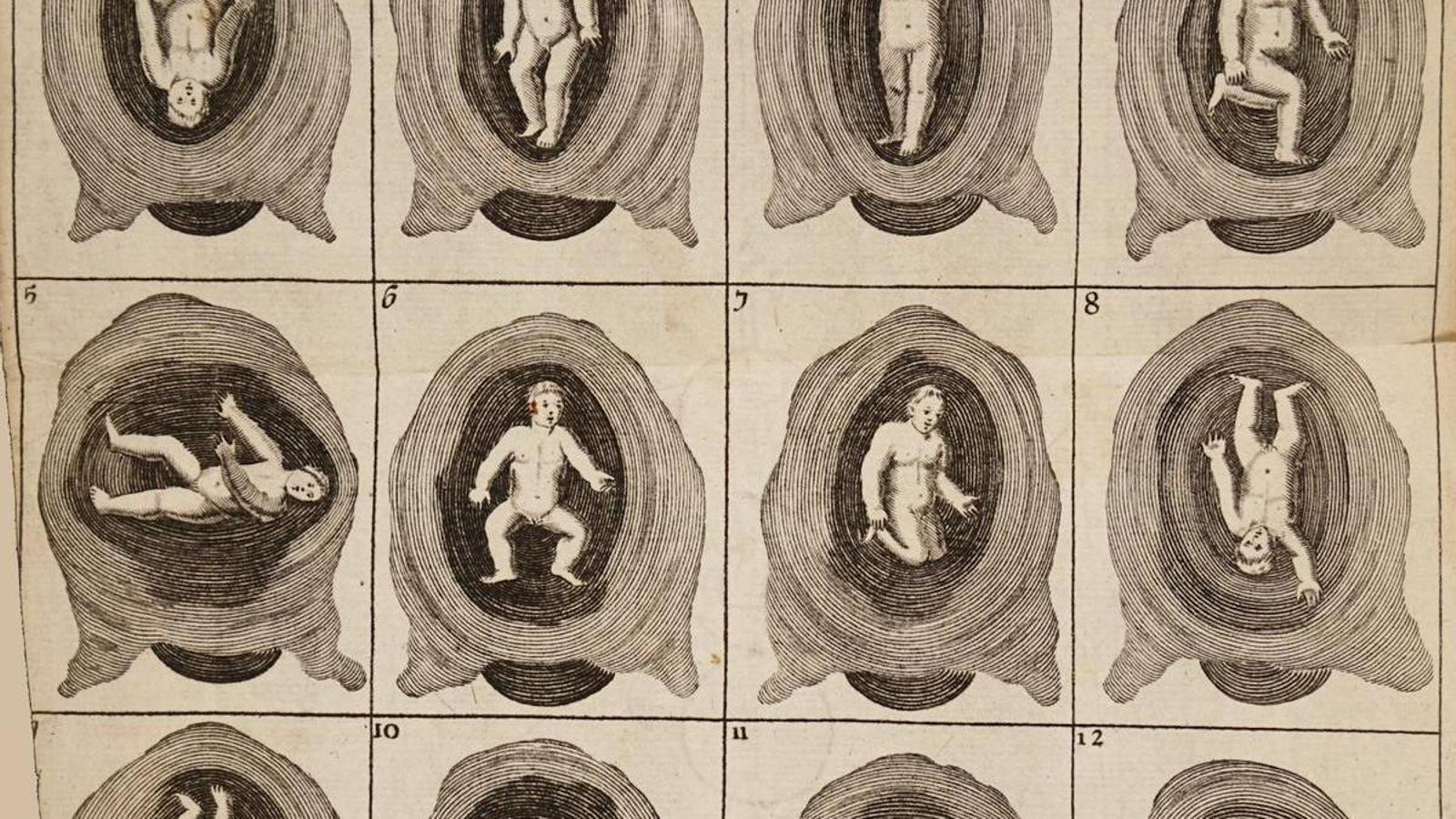
More than two thousand years ago, Greek medicine attributed some women's ailments to a uterus that moved through the body as if it were a restless and mischievous animal. It was believed that it could cause choking, convulsions, pain, or fainting depending on the place where it moved. It was even recommended to use pleasant or unpleasant odors to make it return to its place. Over the centuries, hysteria, a word derived from the Greek hystéra (uterus), became a label that grouped together very diverse manifestations, often interpreted based on the gender stereotypes and prejudices of each era. When medicine did not know how to explain what was happening to women, it seemed that the answer was always found in the fact of being women.
Today we know that the uterus does not travel and hysteria is no longer a diagnosis. But scientific advances do not automatically erase prejudices. When a woman seeks medical advice for extreme fatigue, persistent pain, or other symptoms that we cannot yet explain, are we sufficiently aware of the risk of attributing them prematurely to a mental health problem?
A study published this October in eClinicalMedicine collects the experiences of 6,607 people with autoimmune diseases. 43.3% of women reported that their symptoms had been attributed to psychiatric causes before diagnosis, compared to 32.7% of men. Regarding psychosomatic causes, the percentages were 33.9% and 21.5%, respectively. Women also reported longer diagnostic delays.
These are accounts, not verified errors in clinical records. Autoimmune diseases can begin with non-specific symptoms, and the study does not prove that the entire difference is caused by sexism. However, it compels us to ask ourselves whether, in the face of uncertainty, we listen to and investigate the symptoms of women and men equally.

The consequences go beyond the diagnostic delay. Another study published in Rheumatology in 2025 found that people who reported these erroneous attributions were more inclined to hide symptoms and avoid medical care, for fear of not being believed. How many women stop seeking consultation out of shame, after an incredulous look, a dismissive comment, or the feeling that they are exaggerating?
As a psychiatrist, I advocate that mental and functional disorders be diagnosed and treated with rigor. But psychiatry cannot be the default destination for that which medicine does not yet know how to explain.
The history of hysteria reminds us to what extent prejudices can condition the way women's symptoms are interpreted. Incorporating a sex and gender perspective is a requirement for good medicine. It is not an ideological concession; it is scientific rigor and epistemic justice.
