Care: a question of species or of women?
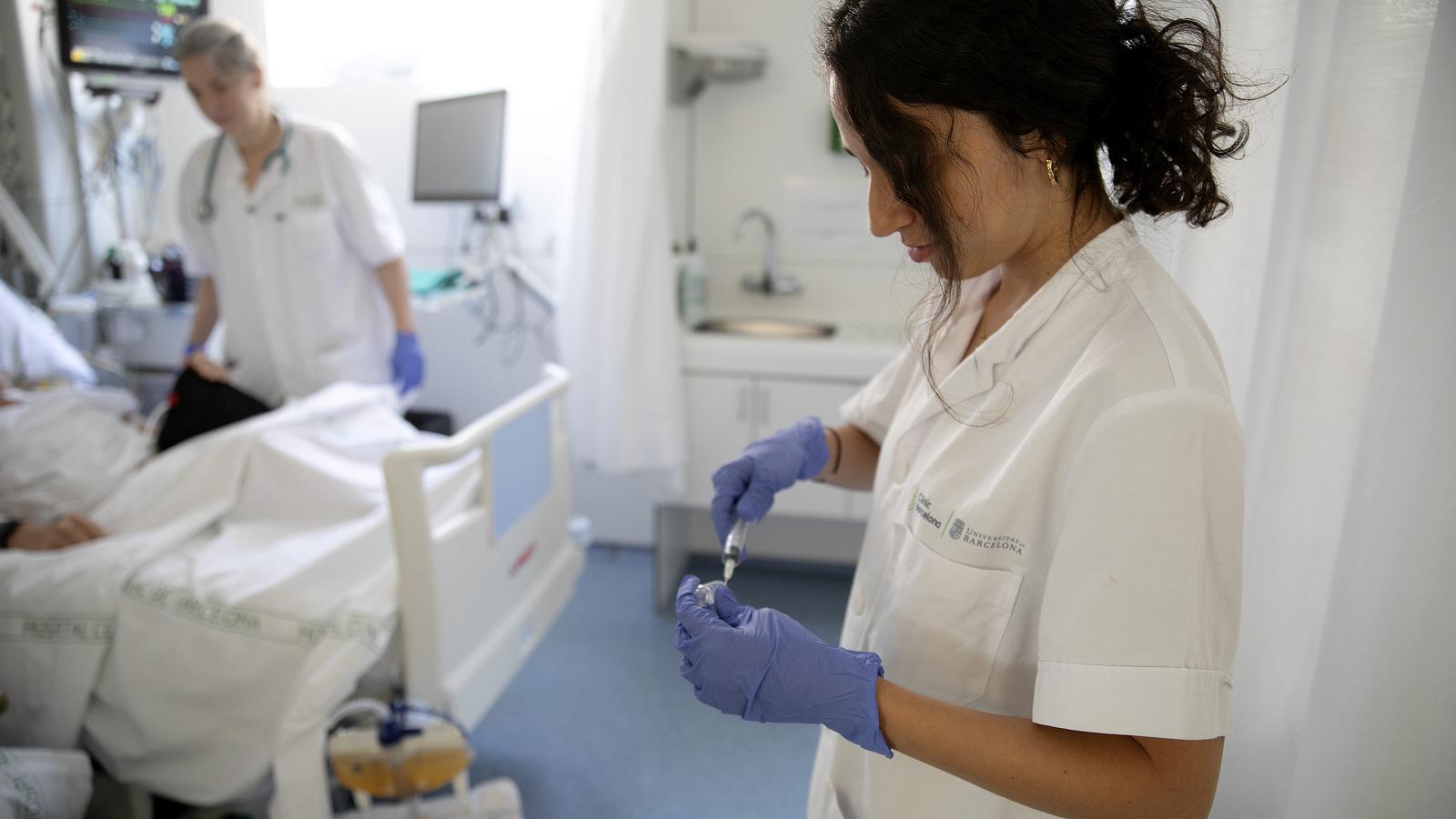

Congratulations to everyone because we are one step away from overcoming September, which would be like a huge Monday in which everything starts up again to, most of the time, stay right where it already was. If you have children in your care, you will have experienced an extra point of stress because, as Laura Camps wrote in this newspaper: “The bureaucracy of child-rearing is a job in itself, the fourth workday.” Especially for mothers, because care is a feminized task to which, says UN Women, they dedicate 2.8 hours more per day than men do. With this, I don't think I am revealing any exclusive, because sometimes we can call statistics science, but also confirmation. However, let's talk about the why. Is there something that compels us, women, to care more? Popular culture, always one step ahead in terms of spite, speaks of a “nothing box” that allows men to “go blank” and not think about anything for certain periods. But this, let's be fair, has no scientific evidence. What has been studied are the differences between male and female brains and the conclusion, grosso modo, is that we cannot conclude anything because science, as Jorge Wagensberg summarized in one of the aphorisms he wrote when he was not designing sensational museums like the CosmoCaixa, is “to observe to investigate, to investigate to know, and to know to live in uncertainty.” One example is enough: an article in Neuroscience & Biobehavioral Reviews from 2021 analyzed three decades of studies on male and female brains and concluded that the differences do not go much further than size (11% larger in men). But a commentary published shortly after responded that, although it agreed with many ideas, it would be necessary to take into account other factors (hormones, social experiences, environment...) to analyze it properly.
Whether done by men or women, the truth is that looking after the community makes us quite unique as a species. This benefited Pelvis 1, an inhabitant of Atapuerca from between 300,000 and 400,000 years ago who had various malformations in his spine and who is believed to have reached the age of a 45-year-old "old man" (harsh statements for those born in the 80s) thanks to community support. One of the co-directors of Atapuerca, Juan Luis Arsuaga, adds that another thing that differentiates us from animals is that we are capable of looking at the Moon and thinking "what beauty." A bit like what many of us did during last August's solar eclipse. Do you remember where you were that day? I do: in Mallorca, making sure my children were wearing their glasses properly. That thing we were saying about care.
