An ecological bomb is hiding under the ships stranded in Hormuz
Months of blockage have favored the accumulation of marine organisms on the hulls of hundreds of vessels, which could transport invasive species to other seas and seriously alter their biodiversity

-
CAT -
CAST
The United States' war against Iran has caused many disasters of a very diverse nature. The economic consequences are global in scope, and we have already noticed them in the price of fuels and in everything derived from them. And the geopolitical ones, which can also be of great scope, make us shudder just thinking about them. There is another one, however, of an environmental nature, little known, that could be a ticking time bomb. I am not referring to the fires and explosions typical of skirmishes, which damage ecosystems and inject greenhouse gases into the atmosphere (and which will make it increasingly difficult to comply with the Paris agreements). What I want to comment on may seem like a trifle compared to the havoc that might affect people and property. But it is, also, of terrifying effects.
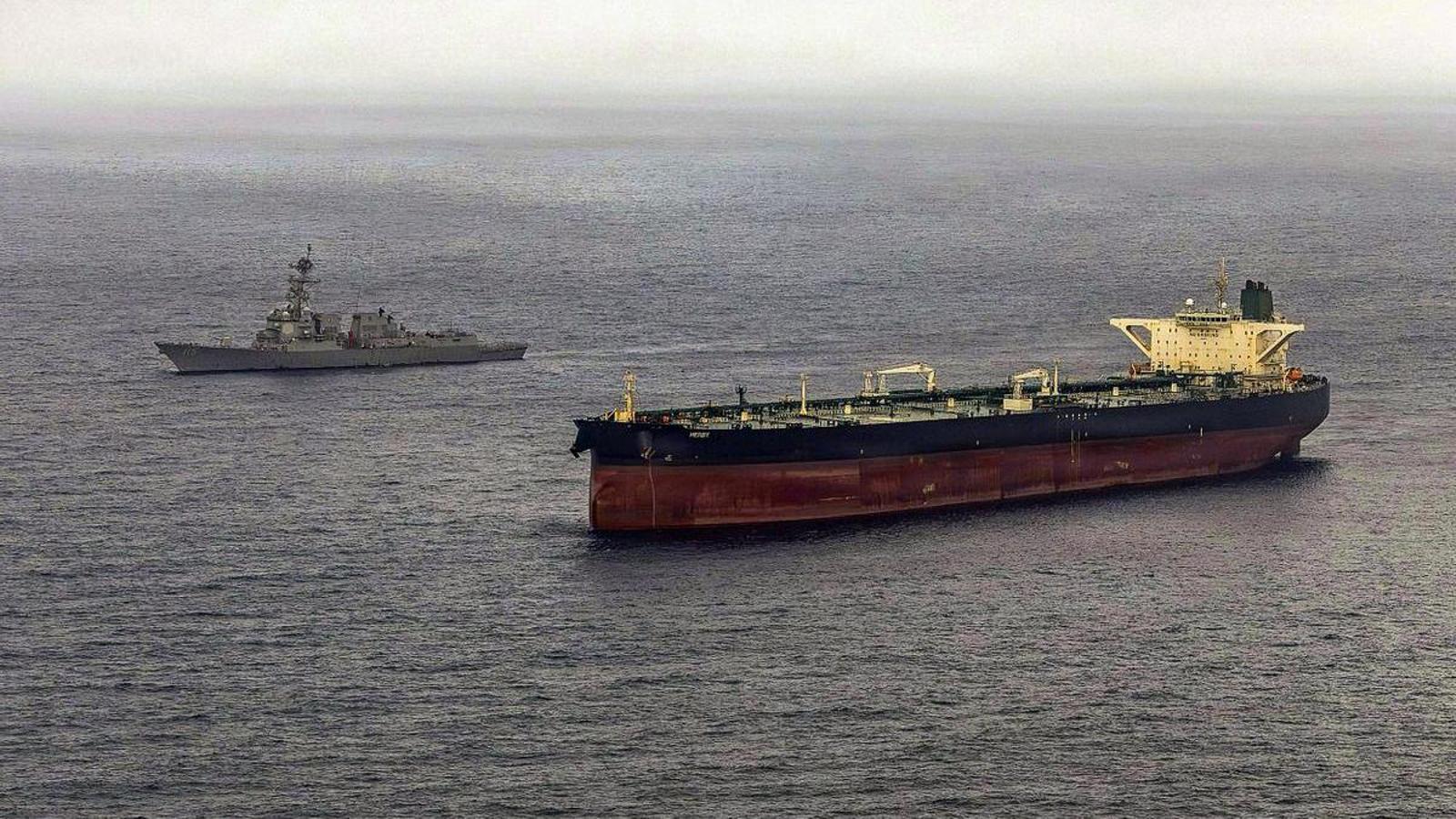
The Strait of Hormuz has been partially blocked for months; there are hundreds of immobilized ships there (between 400 and 500), mainly cargo ships (oil tankers and container ships); the crews, between 6,000 and 8,500 sailors, have spent all this time unable to go ashore or return home, with food and water becoming scarce and other inconveniences and health problems. Every day, about thirty ships can cross the strait, according to strict criteria, but this hardly affects the hundreds that are immobilized.
A consequence of this cluster of immobile ships in the strait is that they have all suffered a biological invasion. Bacteria, algae, and invertebrates of many species have settled on the hard substrates that are the hulls of the vessels, where they grow and form biological incrustations like those that cover rocks and submerged artificial structures. In English, this “dirt” on boats and ships is called fouling.
These encrustations have a negative effect on navigation: they prevent vessels from sliding properly, lengthen journeys, and increase fuel consumption. They are combated by mechanical methods (scraping off the encrustations) and chemical ones: by painting the submerged part of the hull with antifouling paints, which contain poisons such as copper, tin, or mercury, which hinder or prevent the settling of animals and plants, but which also poison waters and organisms.

Unexpected stowaways
After months of being parked in Hormuz, the ships present veritable forests of encrustations on their hulls, and it is very difficult, in the situation they are in, for this fouling to be eliminated: they would need to be hauled ashore and undergo the appropriate cleaning. When these ships can return to sailing to their destinations, they will transport these biological encrustations. Many are foreign to the flora and fauna of the seas and oceans that will receive them, which is why they can cause great disasters.
The encrustations from the Strait of Hormuz are made up of tropical species, native to the Indian Ocean, the Arabian Sea, and the Gulf of Oman. Under normal circumstances, a good portion of these organisms would die when ships crossed colder waters, but now the sea water temperature has risen significantly everywhere, and especially in the Mediterranean. It is easy, therefore, for these encrustations to arrive unharmed at their destination ports.
And this is the problem: many of these species are invasive, and they cause immediate or medium-term problems, because they can eliminate elements of the flora and fauna native to the seas where they are introduced. We have already had similar cases in the past, of non-native (alien) species arriving as fouling through seas and canals (such as the Suez Canal), or as larvae, spores or propagules in the ballast water that fills the bilges of some ships.
Some examples of invasive species in the Mediterranean are Rugulopteryx okamurae, an alga that grows out of control and occupies vast areas of the Spanish coast, where it smothers native communities. Or Womersleyella setacea, another alga that, alone or with other algae, is turning the coastal populations of the Balearic Islands upside down. Caulerpa racemosa replaced years ago the so-called killer alga, Caulerpa taxifolia, which before almost disappearing damaged algae bottoms and seagrass meadows of Posidonia oceanica throughout the Mediterranean coastline.
Regarding fish, on the coasts of the eastern Mediterranean, two species, Siganus rivulatus and S. luridus, herbivores, are stripping coastal bottoms of algal vegetation, which were already relatively bare compared to those of the western Mediterranean; they arrived via the Suez Canal. There are more species from foreign seas and oceans that cause other types of problems: pufferfish (of the genus Lagocephalus) are highly toxic if ingested by people who are unaware of the danger. Pterois volitans, a magnificent fish, but with spines that can inject venom like hypodermic needles, is spreading through temperate seas, and the Mediterranean is no exception. Mnemiopsis leidyi, a ctenophore that has almost emptied the Black Sea of sardines and other pelagic fish, is now also common in the Mediterranean. Crambe crambe (a sponge), Elminius modestus (a barnacle) and other invasive species that now cover rocks (and smother the native species that were established there) are some of the very long list of invasive marine species that are overturning the Mediterranean population. Something similar is happening in the Caribbean, the Baltic, and other seas around the world, where the warming of the waters due to climate change and the entry of invasive species affect native biodiversity.
These affected coastal settlements are the equivalent of forests and meadows on land: if they disappear, so do the plant and animal species that live there, many of which are important to our species. For this reason, we must be concerned about what may happen as a result of the invasion of foreign species, such as those that harbor the hulls of ships in Hormuz.
