The triumph of Gaudí
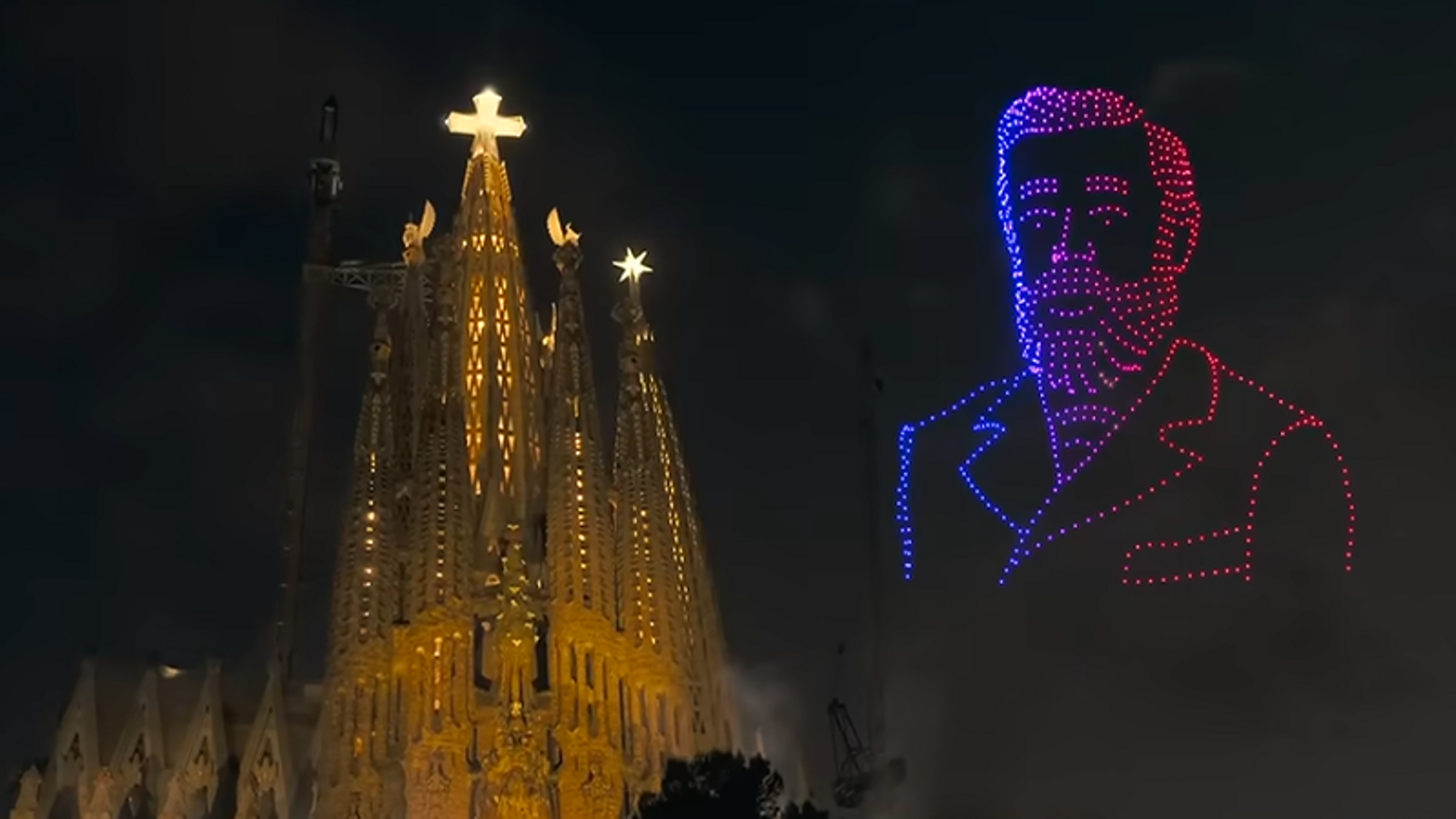

Everyone I know is trying to decide whether they are satisfied, or not, with the Pope's visit and the enthronement of Antoni Gaudí as a global icon. I also live in contradiction, because Leo XIV says things I like but represents an institution that seems archaic, hypocritical, and opaque to me. But after the superlative spectacle of the Sagrada Família, I believe the papal visit has a clear winner, and it's not so much Leo XIV as the Barcelona-Catalonia binomial, a territory of roots and modernity, of dreams and revolts, which with its oily identity challenges the political and religious limits that uselessly try to bridle it. So much so that on Thursday, seeing the kings of Spain on TV, I didn't feel they were there to appropriate everything, as always, but rather they seemed small, small before the great modernist bastion, watching helplessly the takeoff of a superior form of Catalanity, which is too old, too modern, too beautiful, and too delirious to find a place in such a worn-out container as monarchical and constitutional Spain. Felipe's face said: I'm here as just another tourist.I am probably going further than Gaudí himself, so Catalan but so ecumenical, would wish. But I allow myself to recall the comment he made after Miguel de Unamuno visited the temple and confessed that he did not like it: “No Spaniard likes it”. The celestial appearance of the master from Reus by means of drones, observing the culmination of his work, was a triumphant image, the triumph of the solitary madman, the typical Catalan dreamer, who is greater than kings and popes, and who gives us a seal, a tattoo on the skin of the country, at a time when the country, and its capital, is at risk of becoming dull, with the fear of not recognizing oneself and of not identifying one's roots and those things that give it meaning, above centuries and people.Precisely, the people who attended the event at the Sagrada Família, who are the same people who have followed all the Pope's events, were perfect representatives of the ultracatholic contingent of the country: the high Barcelona bourgeoisie (more like fans of the Burgos Cathedral), the Pope's youth from Opus Dei schools and a profuse representation of Latin American communities, too recent to understand the depth of the foundations of the Sagrada Família. In general, they were all papal enthusiasts, people little or not at all connected with Gaudí's universe and all the cultural, religious, architectural, and civil substratum behind it. All these sectors also form today's Catalonia, and all of them, willingly or not, were swallowed, like luxury extras, by the visual and sonic wave, inevitably Catalan by the force of facts and centuries, and projected as such, immediately, throughout the world.Gaudí is also inevitably Catalan, and his work is explained not only by him, but by the country that saw him born. But his charm is that he combines with everything; he is admired by Catholics and secular people from the five continents. Sharing him with the world is a joy and a privilege, because the world wants him as he is, that is, Catalan. And since he is already dead, there is no danger that Madrid will steal him from us through scrapes and tax rebates, as they almost did with Salvador Dalí, another dreamer more Catalan than a whip, who admired Gaudí and considered himself his brother even by his surname (gaudir and delir are synonymous words). But Dalí, avid for dollars, did not precisely aspire to sainthood, and faced with the political absurdity of his century, he ended up disguising himself as a Francoist, which was perhaps the most surreal (and the most practical) thing he could think of. This earned him the posthumous homage, of course, of Albert Boadella. There is no danger that he will do the same with Gaudí.
