The gift that we have made to the Spanish government

What do the housing crisis, teachers' demands, the malfunction of Rodalies, and the pressure on the healthcare system have in common? An essential condition to resolve them: that the Generalitat has more resources. Money does not solve everything, but without money, many solutions are not possible.
We are once again immersed in elections, lists, and disputes over who is heading what. Meanwhile, the economic dossiers that have been blown apart by the election call barely occupy the debate: financing, debt forgiveness, investment guarantees, and the transfer of Rodalies. Seemingly technical issues until they translate into reality: a doctor's appointment, a classroom, or a train platform.
These folders have names and surnames. They are the teachers who are demanding improvements and half a million boys and girls who will be left without any school field trips this academic year. They are the young people who need affordable housing to start a life project, the healthcare professionals with strained resources, and the patients for whom a timely diagnostic test can save their lives.
It is little known that the deferred expenditure of the Generalitat, which remains outside the budget because it cannot be paid and is carried over to the following year, reached 5.295 billion euros in 2025, 12% more than the previous year. The Government continues, however, to announce star plans and the Parliament demands reaching 6% of GDP in education without, apparently, having done the math. Setting such goals without guaranteeing the resources to achieve them is fueling frustration and is a great irresponsibility.
Some experts and pundits have long been dismissing the forgiveness of 17.104 billion in debt for the Generalitat and the interest savings it would entail. Because some 250-300 million annually seem like peanuts to them, when the reality is that these are real resources that can be allocated to renovating schools or improving the conditions for teachers and doctors. It is like telling a family that reducing a 300,000 euro mortgage by 60,000 euros does not matter because they still owe 240,000, and that a saving of 300 € per month in interest payments will not even be noticed. Debt forgiveness does not solve every problem, but it eases a very real burden.
Treating these issues as secondary is to ignore what conditions daily life: financing determines the recurring resources of public services; debt relief reduces debt and interest; and investment mechanisms (the so-called investment consortium), well-designed and with everyone's pressure, could guarantee the inflow of money so that the announced works could be executed, as has already become a reality with management mandates.
The frivolity of some and others and the lack of political determination have given the best gift to the Spanish government: avoiding the fulfillment of economic commitments favorable to Catalonia. The main responsibility is theirs: they assumed them and had to fulfill them. But it is also necessary to demand accountability from the Catalan parties. From the PSC, for the influence it is supposed to have over the Spanish government. From Junts, for looking askance at essential advances that others have put on the table. And from Esquerra, which has dedicated years of negotiation and technical work to it, because it should have demanded more guarantees and stood firm on the deadlines.
Not all folders are the same: the transfer of Rodalies should preserve deployment paths without depending on a new vote in Congress. They must be exhausted now, before November 29th! Leaving any progress waiting for the next parliamentary majorities is reckless. What future would these agreements, which represented concrete gains for Catalonia, have with a PP and Vox government?All this is happening while life is becoming more expensive. In September, year-on-year inflation in Catalonia reached 4.5%, with a sharp increase in energy prices. Families are losing purchasing power and public services are facing higher costs. Needs do not stop because an election campaign is starting.
There have been moments when Catalan politics has focused on the right to decide, the defense of institutions, or the freedom of political prisoners. This legislature demanded turning economic agreements into results. All Catalan parties should have kept this well in mind. Because defending the country implies ensuring that its people can live there with dignity.
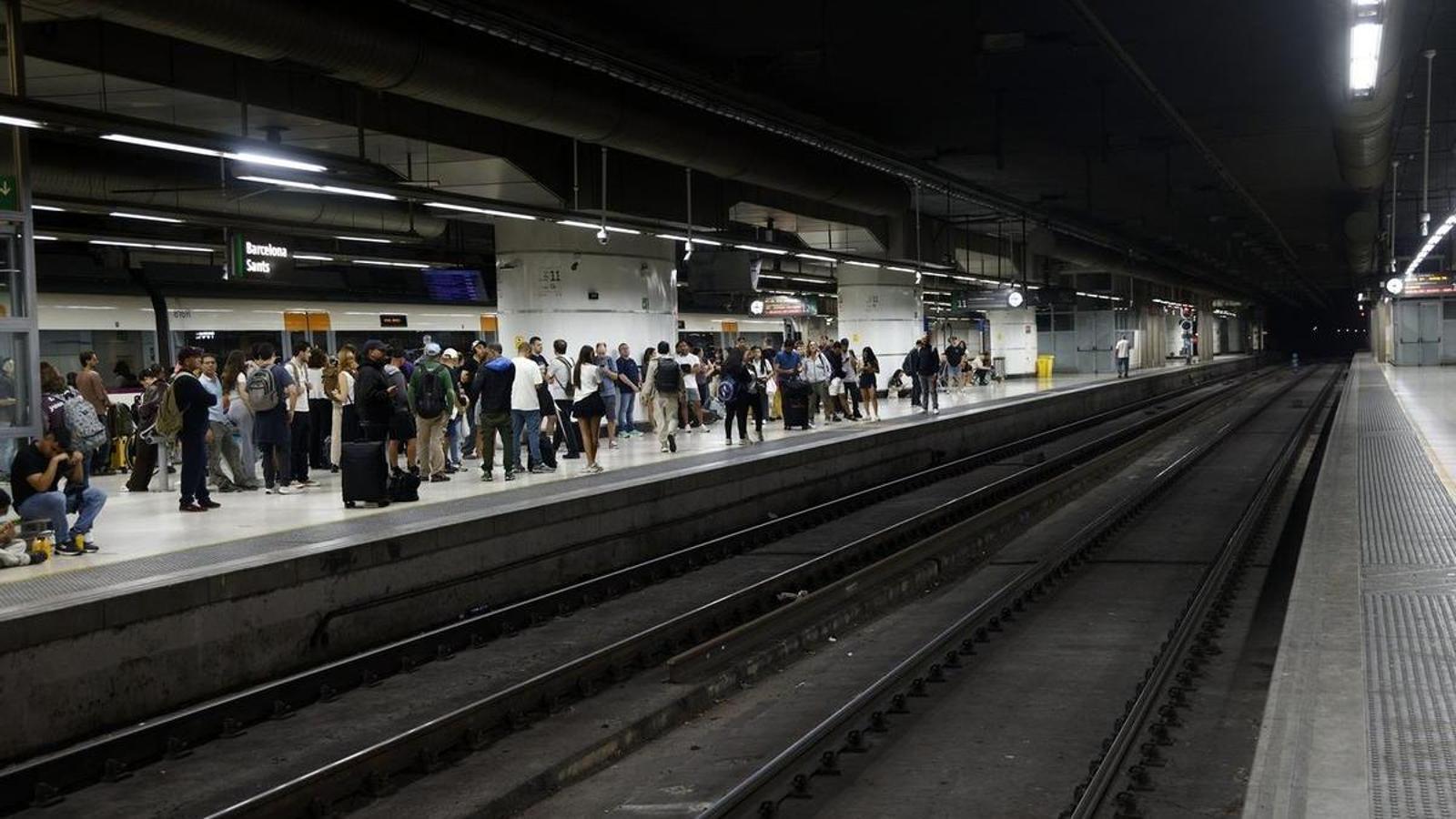
I am writing from the cafeteria of the Vall d'Hebron Hospital, where every day professionals in lab coats save lives, literally, in very demanding conditions. And a few days after having spent a good part of the night at Sants: a high-speed train to Madrid that was supposed to leave at 19:40 did so seven hours later. In the hospital and on the platform, the distance between political debate and people's needs becomes painfully visible.
Catalonia is resilient. But the resilience of the citizenry cannot be the inexhaustible resource that compensates for political failures.
"It's the economy, stupid", James Carville reminded Bill Clinton's campaign team in 1992. We need useful politics. Because standing behind a banner for the right to housing and not fighting until the end in Congress for the resources that must make it possible is pure theater. The bad kind.
