Small uncomfortable truths (and 2)

-
CAT -
CAST
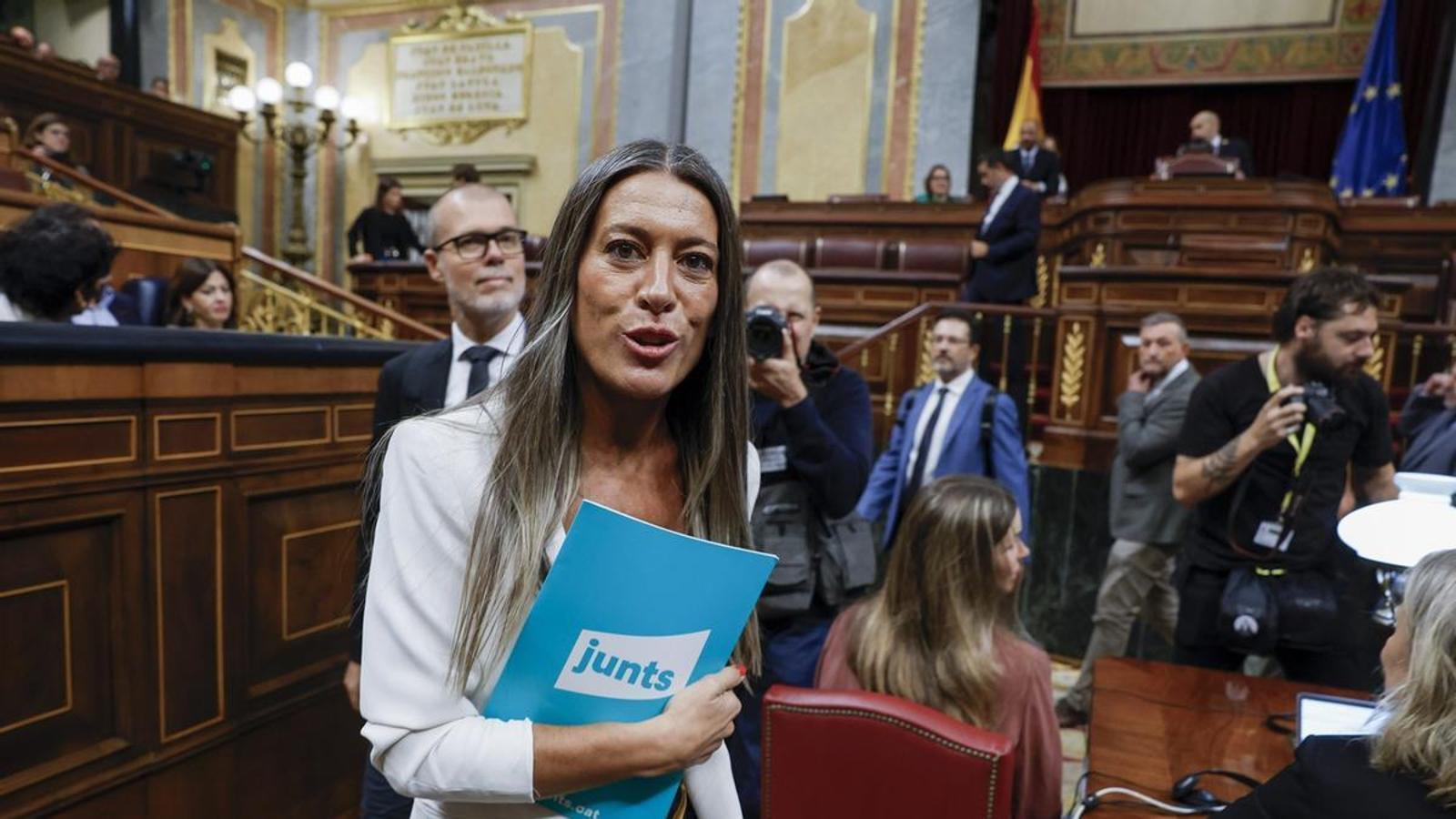
1. The crux of the transaction between Junts and the PSOE to facilitate Pedro Sánchez's investiture was the amnesty, which finally materialized after much struggle and effort. The agreement unleashed a wave of resentment the likes of which had never been seen in Madrid (we, however, already knew it well enough here). Judges, economic powers, media outlets, and all the mechanisms of the deep state reacted to the offense by orchestrating a major hunt for the Spanish prime minister and his inner circle. Finally, in an ending worthy of a Greek tragedy, Sánchez has ended up struck down by those who had been giving him air for more than three years. What is my assessment of all this? Junts has squandered a truly historic opportunity to assert the country's interests instead of focusing everything on the restitution of grievances for the victims of the 'Procés'. Both causes were legitimate, of course, but priorities had to be chosen. And the facts are stubborn: it is either one thing or the other. With a government on the horizon in which the PP and Vox will have a comfortable majority, we can forget for many years about better financing, the forgiveness of a part of the FLA debt, transparency in fiscal balances, and necessary investments in infrastructure. Nothing at all will remain of it.
2. Who can speak to the citizens today, looking them in the eyes, about independence as an achievable goal? Even at Aliança Catalana, the idea has been buried, hidden under the anti-immigration and anti-establishment political discourse. The debates in the country now are different: housing, underfunding, education, or public transport. The “common sense” voters who remained in Junts –those who, like in the old Convergència, understood sovereignty as an instrument to improve well-being and not as a dogma– are now seeking pragmatic refuge (in ERC or the PSC), while the more identitarian sectors look towards AC. And in Junts, at a time when pragmatism versus the rhetoric of confrontation and the “current mandate” are like oil and water, which voter is left to turn to?
3. After the police beat a Barça fan who was carrying an estelada, the club decided to hold an act of exaltation for this flag at the next match. Unfortunately, too often the club I love avoids real commitments and prefers to opt for innocuous gesturing. In more than fifty years as a member, I am still waiting for a clear, serious, and decisive institutional commitment to the Catalan language. We complain—often with good reason—about the guy at the fish market or the doctor at our local health center when they attend to us in Spanish. But what about the footballers and coaches? Where are Messi, Flick, Lewandowski, or Pedri (put in whatever names you want) responding to press conferences in the language of the country? Would it be so difficult for Barça to apply an authentic policy of linguistic integration for its—so well-paid—athletes and staff, before pinning on cardboard patriotic medals?
4. Who evaluates our teachers? The mess of the sample in the latest PISA tests has spared us, at least temporarily, from the shame of seeing the results of Catalan students in black and white. The machinery for finding culprits to explain the educational decline has been running at full capacity for a long time. The number one usual suspect has been technology (the digitalization of classrooms and screens), now embodied in an artificial intelligence accused of all evils. The lack of investment, immigration, or the hangover from the pandemic have completed the list of accomplices. But, what about teaching? Would it make any sense to open the can of worms and evaluate the pedagogical competence not only of the students, but also of the teachers?
5. The Government of the Generalitat has approved a project to professionalize high-ranking administration officials. We certainly need a legal framework that makes public service attractive to professionals from the private sector. We also need department management to be oriented towards achieving results. And competitive compensation, along with seven-year mandates, removed from electoral fluctuations. However, among the novelties, the regulation provides that up to fifteen percent of the salary depends on the fulfillment of measurable and pre-established objectives. This is the only point that makes me frown, for two reasons. The first: experience tells me that, in general, a person is hardworking, responsible, and efficient – or they are not – regardless of whether a year-end bonus awaits them; the commitment of the most brilliant collaborators I have ever known has never depended on that. The second: accumulated empirical evidence shows that the impact of economic incentives on the actual performance of public managers is irrelevant or, worse yet, often counterproductive.
