Seasonal politicians
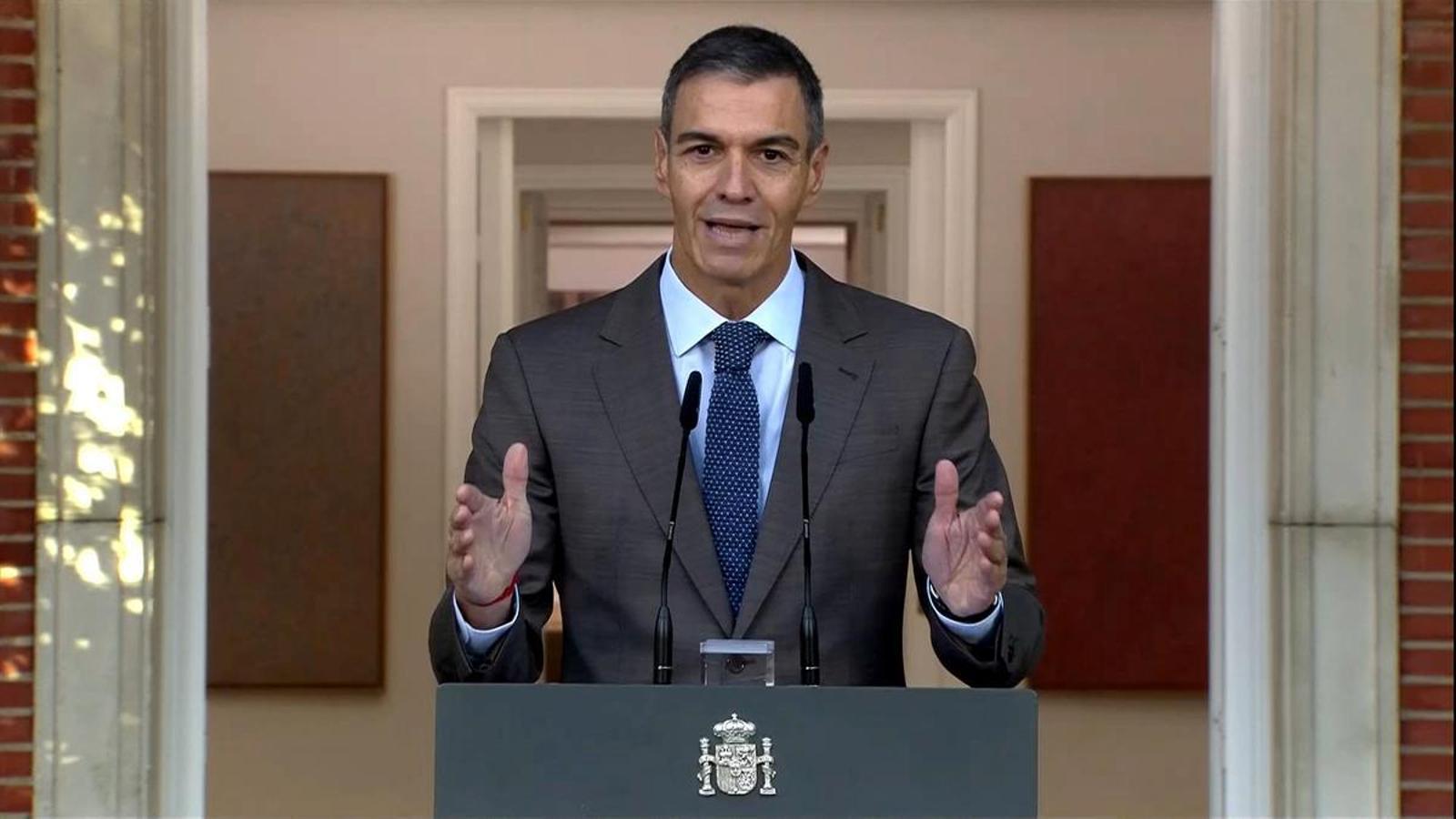

Whenever elections arrive, a small miracle of nature occurs. Politicians whom we had only seen for months in congresses, television sets, or party events suddenly appear on the street. They shake hands with retirees, enter shops, walk through markets, and even hold babies in their arms. It is like discovering the first butterfly of spring. One thought they had gone extinct, like diplodocuses, and it turns out they were just hibernating.
Then we vote and they disappear again. They leave the markets and lock themselves in their offices. They no longer seek citizens, but leaders of other parties with whom to negotiate the presidency, the ministries, and the program.
I do not complain that they negotiate. In a parliamentary democracy it is inevitable and, often, convenient. I am worried about something else: we vote before knowing what will be negotiated afterwards.
When I try to decide my vote, I read the electoral manifestos. A few days ago someone asked me why I did that. They told me that, in a system without absolute majorities, no party will implement its manifesto. To govern, it will have to renounce one part and accept another that its voters might reject. It may yield on housing, taxes, education, or social policy. We know what each party promises, but we are unaware of which promises it considers expendable.
That is why we vote partially blind. We choose a menu and, after paying, the parties go into the kitchen and agree among themselves which dishes they will serve us.
Two-round systems attempt to reduce this distance. France elects its president through a second ballot between the two most-voted candidates. Its deputies are also elected by constituencies through a two-round majority system. This concentrates the decision and forces the citizen to cast their vote again when the alternatives are already clearer.
It does not guarantee, however, that a party can govern alone. The French Assembly that emerged in 2024 remained fragmented and without an absolute majority. The two-round system also sacrifices representation: many votes obtain less parliamentary presence. It is not a perfect solution.
But it contains an idea that seems superior to me: alliances begin to take shape before the voter's final decision, not after. The citizen can rectify, choose between viable options and vote knowing better which government they are helping to form.
We do not need to copy France, but we do need to recover this principle. If pacts are to alter programs, parties should announce their priorities, possible concessions, and red lines beforehand. Or allow us to vote a second time once we know the real alternatives.
Politicians are already hitting the streets during the campaign. It wouldn't be a bad idea if, before going back into hibernation, they explained to us what they plan to do with our vote.
