Orriols devours Junts, Illa doesn't excite

-
CAT -
CAST
Let's start with the big headlines that the latest barometer of the Centre d’Estudis d’Opinió of the Generalitat, which confirms already known trends in our political landscape. Aliança Catalana positions itself as the third force – in a technical tie with the second, ERC – in the Parliament, thanks to votes that leave Junts per Catalunya, which shows unexpected weakness. Meanwhile, the PSC, despite accumulating a great deal of power, not only does not advance, but recedes. All of this coincides, for example, with the survey published by this newspaper last May, although Sílvia Orriols' rise was not as pronounced then as it is now.Before continuing, it is worth pointing out that polls are only a snapshot, the reflection of a specific moment in a reality – in this case, political reality – that is constantly evolving. Shortly after the photograph was taken, the situation has already changed and is different. In this regard, it should be remembered that we are in July 2026 and the Catalan elections will be held, if they are not brought forward, in the spring of 2028. There is a long time to go. Many things, foreseen and unforeseen, have to happen between now and then. For example, it is very possible that next year we will have a PP-Vox government in Madrid, and we also have to expect that the amnesty will have been fully effective and Carles Puigdemont will have returned to Catalonia. However, polls serve to help us understand and better grasp the situation we are in.The main protagonists today are, without a doubt, Sílvia Orriols and her party. Never before, since the recovery of democracy, has such a rapid and resounding rise been seen. Aliança is receiving support from many people who had voted for Junts. It is also taking voters from Vox. It is very clear that Orriols's main appeal is the call against immigration, especially against Muslim immigration. This fact should serve for everyone to realize that the migratory issue must be addressed, whether one likes it or not. It cannot be allowed to be taken over and capitalized on by either Aliança or Vox. The fact that these two parties have an estimated voting intention of practically 25% indicates that immigration – in the volume that Catalonia has received it – is perceived as a problem by many citizens. It is an important concern. If we do not want the dehumanizing and often impossible recipes of the far-right to continue advancing, the rest of the forces must face the phenomenon head-on, they must foster an honest debate and they must make realistic – autonomies have few competences in this matter – and sensible proposals. Hiding our heads in the sand and pretending that nothing is happening leads us to a disastrous scenario.
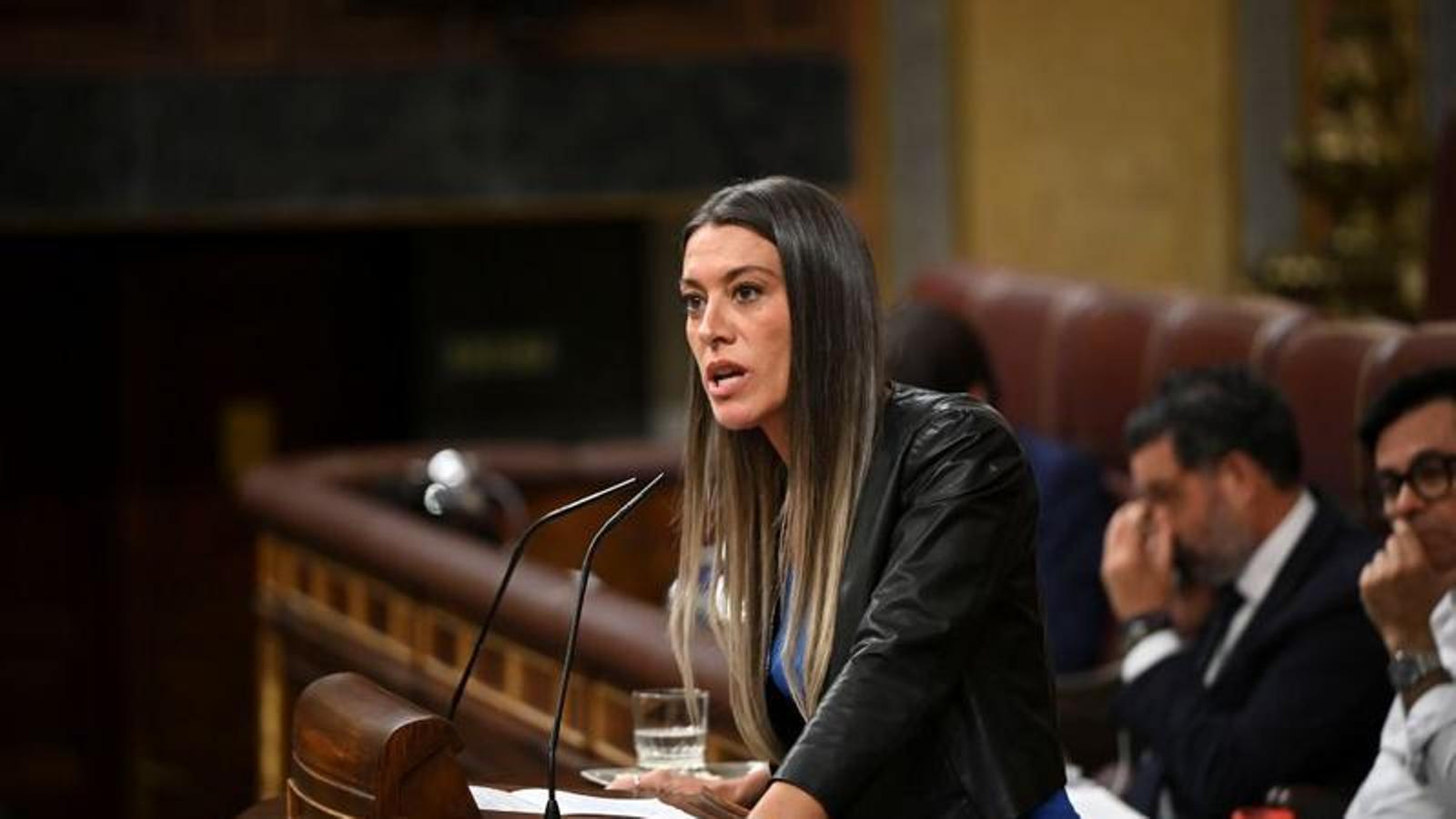
Regarding Junts, it should be said that its adversities are not caused solely by Orriols. Junts suffers from a clear leadership problem, as it has a totemic figurehead, Carles Puigdemont, who lives abroad and, therefore, necessarily exercises an anomalous, truncated, and convoluted leadership. Strategic disorientation and project imprecision also contribute to this. In communication terms, the type of opposition that Miriam Nogueras champions in Congress – a fundamental area for the party's projection – is always ingenious, negative, and unconstructive. This dynamic is taking its toll on the Junts brand and, in addition to causing them to lose votes, it turns them into a convenient victim for Orriols' new, simple, and demagogic discourse. Junts – facing serious difficulties also in the city of Barcelona – must react. But how? I don't know. However, the reflection must go beyond Puigdemont. His return, when it happens, will not magically solve all ills.Salvador Illa and the PSC, who in addition to the government of the Generalitat control almost all the major city councils, are not managing to advance towards their objective of building a new political hegemony in Catalonia. Quite the opposite. They are not taking off. The narrative of turning the page on the Process and the “normalization” of the country is not enough. Nor is the promise, disproven every day by reality, of model and effective management. The chaos of Rodalies or the protests of teachers are just two examples. The PSC, and this is probably the worst, does not have an attractive project, and it is difficult to imagine that it will manage to excite the country. That the current PSC is so submissive – as never before in history – to the PSOE also represents a very notable drag, as it fuels the feeling that those who govern Catalonia are merely caretakers dedicated to pleasing the master. Aside from this lack of momentum of Illa's government, and despite the fact that, perhaps, in the future, the socialists will also need – despite the recovery of ERC – the support of the CUP to complete a majority that will keep them in power, the truth is that, in practice, the dazzling irruption of Aliança makes an alternative majority unviable.
