Who wants to pay more taxes?
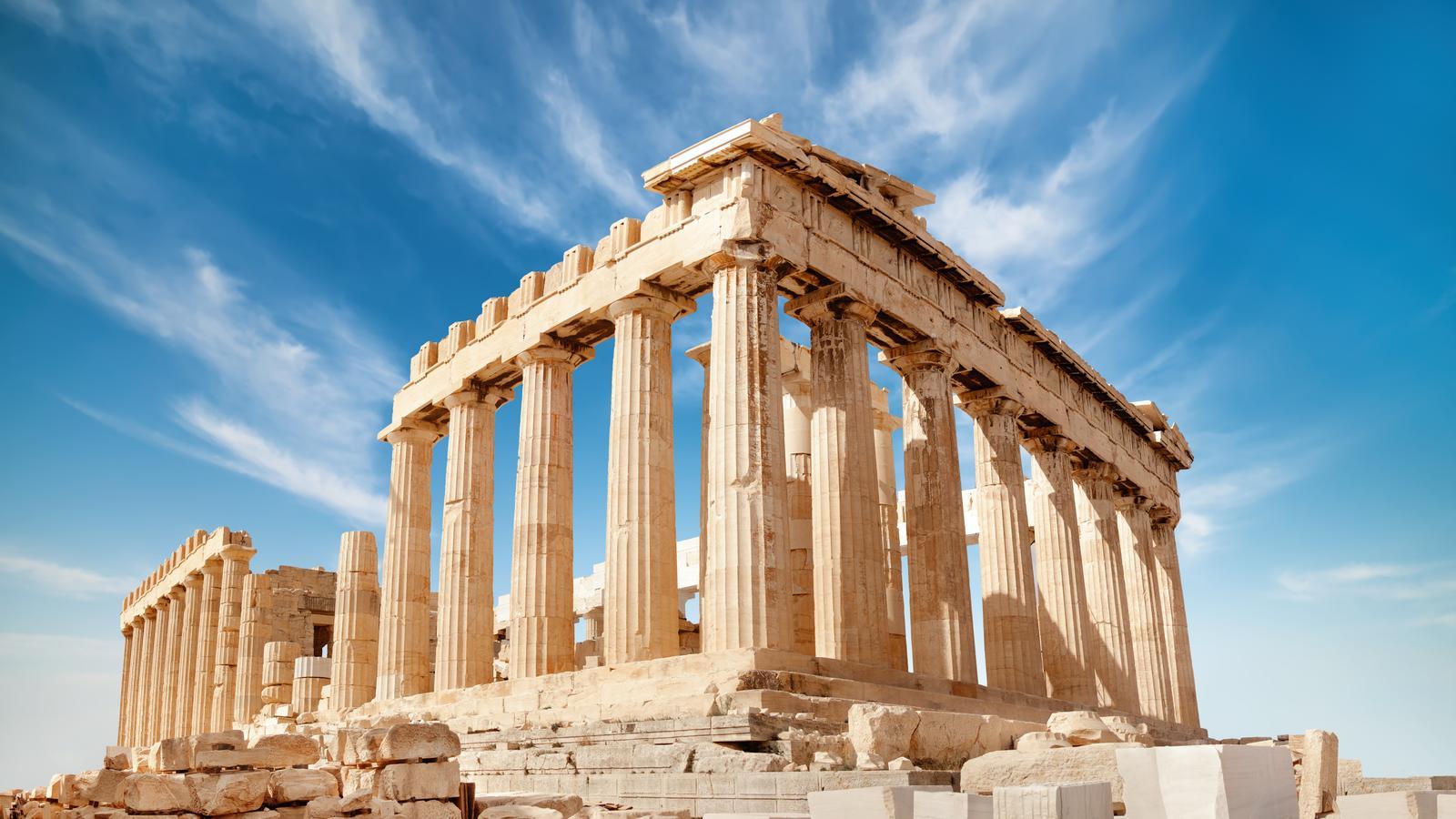
Democracy comes from demos (people) and kratia (power, authority). Aristocracy comes from aristos (the best): the power of the best. But by becoming hereditary power, the best ceased to be so. The best thing is to combine democracy with meritocracy, a government of the people in which positions are held by those who have the most merit, those who deserve it.
Corruption and nepotism spoil democracy: they show the demerit of people who act for their own benefit, not for everyone's. It could be the case that these people were the best in their task, but they lose merit when they set aside the will to serve the community, when they look out for themselves above all. Moral quality is crucial in meritocracy: the best are judged in both technical and ethical terms. You can be a first-class professional, but if you are corrupt, you are no longer among the best; suddenly you fall in the ranking.
Liberal democracies are in crisis. It is easy for us to forget the values that give them meaning: liberty, equality, and fraternity. There is always the danger that the pursuit of individual benefit, otherwise so human, takes precedence over responsibility to the community. Thinking about oneself, about one's own family and closest friends, is normal. The problem is when this makes you lose the democratic and meritocratic perspective. It happens in the best families, whether they are called Pujol or Sánchez, whether they are called CiU, PSOE, or PP. Setting limits on time in power has this meaning: to avoid temptations and appropriations, to facilitate regeneration and renewal, to find new talents, new meritorious people.
But democracy does not only function thanks to the merit and integrity of those in positions of command. The behavior of the people is also relevant. The governed, just like the rulers, must obey the laws and must demand that they be obeyed. The basis of modern democracy is the idea of equality before the law, which emerged from the Declaration of the Rights of Man and of the Citizen, inspired by the values of the Enlightenment and conceived in 1789 by the assembly of the French Revolution. The law makes us equal.
For example: we all have to pay taxes, each according to their wealth (in the controversial inheritance tax, around 70% of Catalans pay nothing). In the organizational sphere, this matter of taxes is crucial. The more you pay, it means (or should mean, if the tax system works well) that you have more wealth and that with your contribution you do more to promote equal opportunities for everyone through services provided by the State: education, healthcare, security, public transport, roads, sewage, etc. In reality, if you are well-off, if you have a minimal awareness of your privilege (which may be earned through hard work, as personal merit, or partly inherited), the fact that there is a well-organized taxation that obliges you to contribute to the common good is a great thing. They do the work for you. They leave your conscience clear and, incidentally, legitimize your privileged position. Right now, 120 British millionaires have asked the new premier to make them pay more taxes.
The problem arises if public services don't work afterwards, if civil servants or rulers are corrupt or lack merit (they have been chosen for their loyalty to the party, not for their knowledge), if fiscal dumping occurs between territories of the same State or if there are people (often the richest people) who evade paying their taxes. All this is what undermines democracy. And it is our daily bread.
Today, what for decades has been the liberal democracy of the most powerful country is falling apart everywhere. In the USA, the American president, Donald Trump, is crossing many red lines: he is shamelessly enriching himself, his family, and his friends. With gross moral impunity, he breaks the law every day and adapts it to his interests and, at most, to those of a restrictive vision of the people, from which those who do not respond to his white supremacism are excluded. He is turning democracy into autocracy. And his example is spreading. Today, the most urgent struggle, also in Catalonia and Spain, is to save meritocratic democracy from the authoritarian and xenophobic sirens' calls.
