The difficult art of the interview
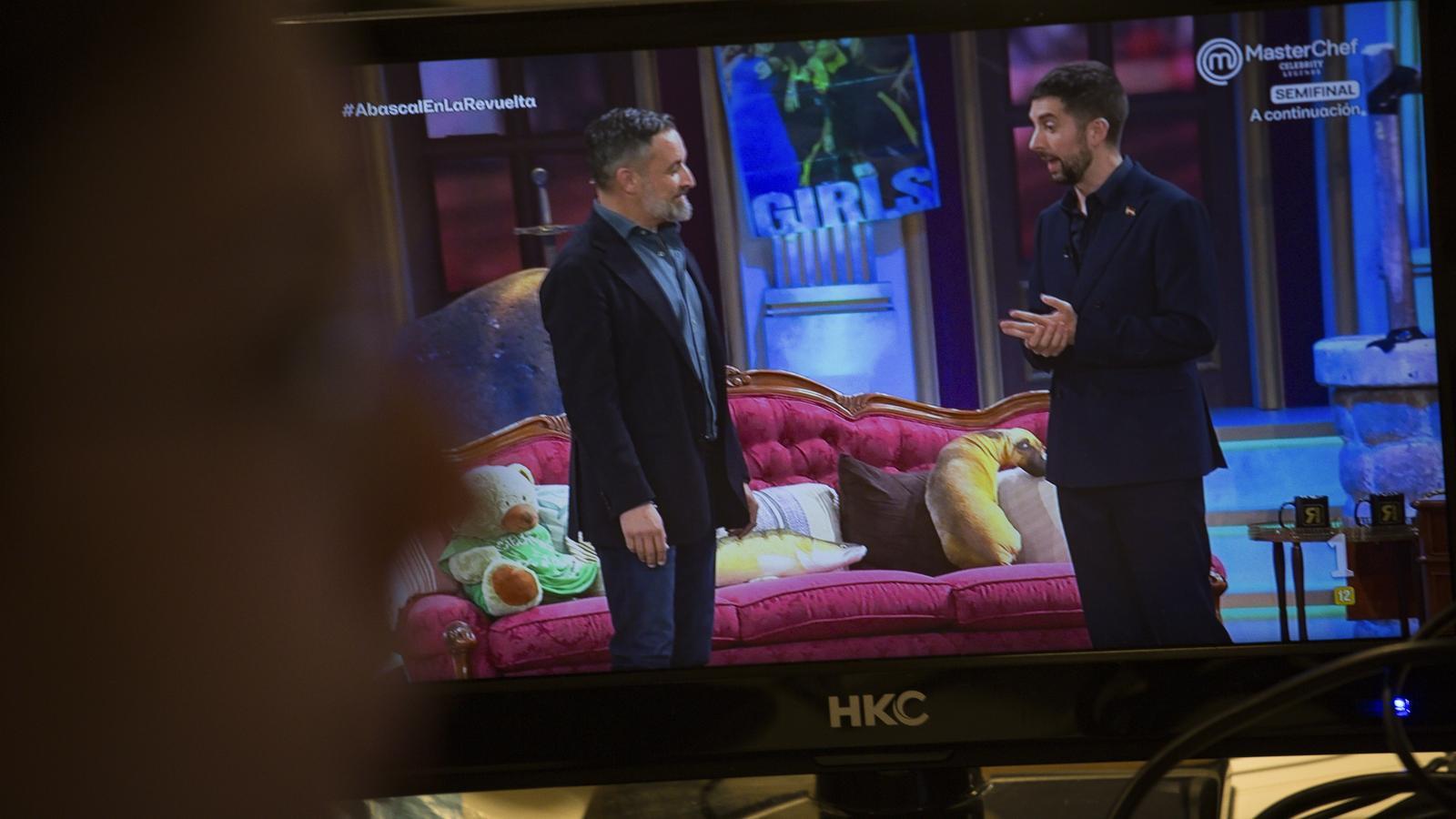

The Revolt broke its million-viewer record with Abascal, but the show was not a success. On the contrary. If you make an entertainment show, you must entertain; you cannot make people suffer. Terrified that it might be said he had ended up empathizing with the leader of Vox, Broncano renounced the laughter, which is the same as saying he renounced doing his show.
If your personal coherence and the editorial line of the space do not allow you to do what you know how to do, you either don't invite Abascal or you better prepare a good substitute, which in this case means you better do a good interview. And that was not the case. In an interview, the interviewee is the center, and instead, Broncano placed his personal drama at the center, filling the night with endless clarifications that did the guest's job for him.
The interview is a difficult specialty: everyone can ask questions, but not everyone knows how to conduct an interview, for the same reason that everyone can be a communicator but not everyone is a journalist. The interview is a complicated artifact. It is not a conversation, in which the roles are distributed spontaneously, but rather one person asks so that another may respond and a third may listen. And despite the difficulty, it only has two secrets: prepare and listen. Preparing goes far beyond the list of questions. You must be very sure of what you are asking, foresee all the answers, have some retorts ready, and in the audiovisual medium, prepare the non-verbal communication. It cannot be a red carpet for the guest nor a fight with foul play, and for it to have any interest, interviewer and interviewee must play their roles fully, and for that, a minimum of mutual respect is necessary. If not, the artifact does not take flight. And Monday's did not take flight.
