Leo XIV vs. Alex Karp
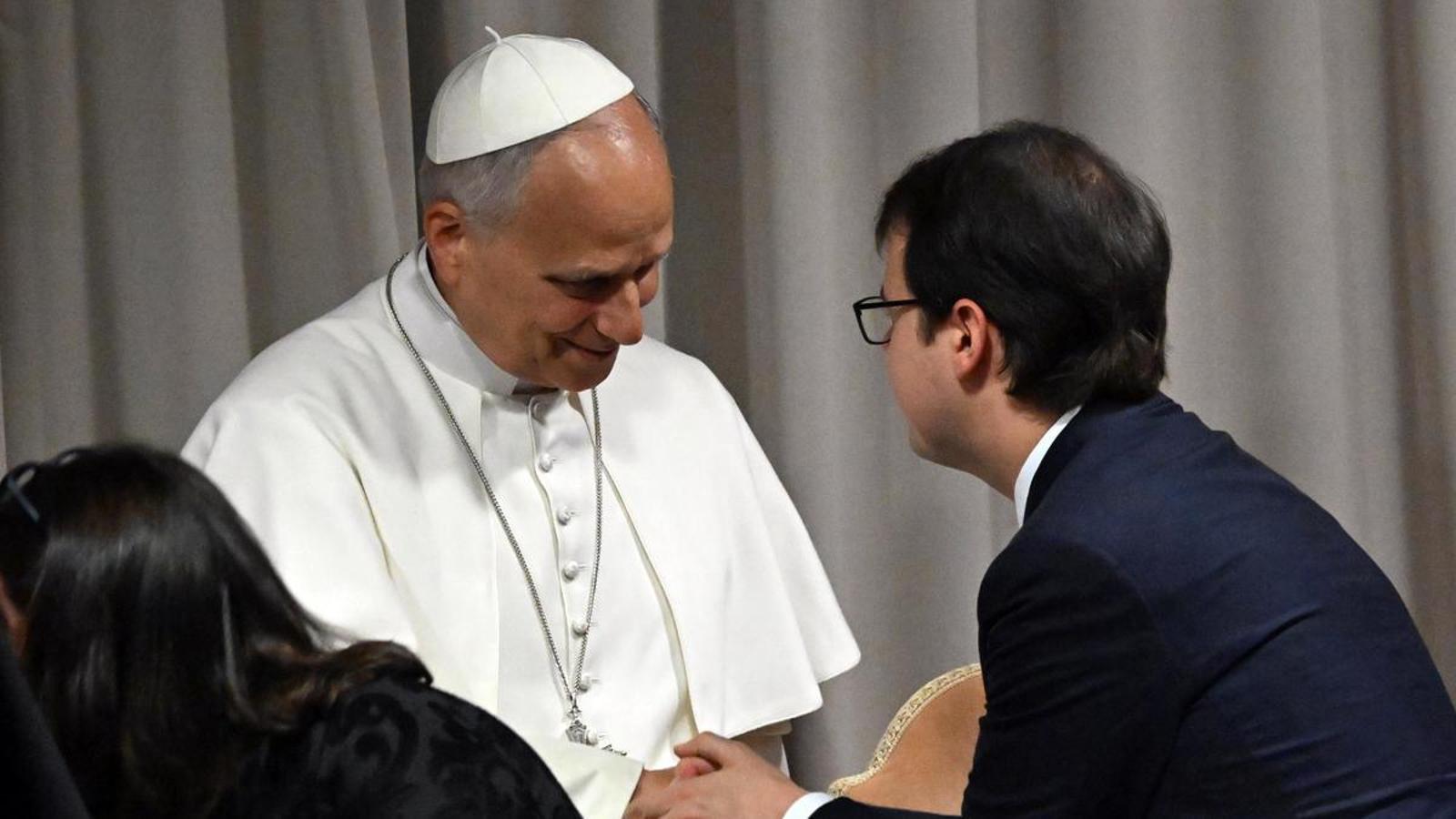

It is very interesting (and comforting) news that Pope Leo XIV dedicates his first encyclical, Magnifica humanitas, to confronting the major technology companies that aim to lead the implementation of a new authoritarian world order, based on the power of a few large oligarchies. Leo XIV says no to the idea of a world controlled by the masters of artificial intelligence. It is the world of Alex Karp, the CEO of the company Palantir – about whom we spoke the other day–, who openly preaches and practices the idea of concentrating power in the hands of those who possess not only the nuclear weapon, but also (and above all) the power of artificial intelligence. A world based on an elite of lords and a humanity made of servants, barely lab rats forced to fulfill the role assigned by a power that, like Janus, has the double face of war and peace. Depending on how and from where the AI looks at you, your passage through this world can be relatively peaceful and prosperous (and irrelevant), or it can consist of becoming minced meat in one of the more than fifty wars currently raging in the world with multiple purposes, but one main one: to make money. The more the security spending of states and large corporations increases, the more the arms supply and demand expand, and, therefore, the more conflicts there end up being. AI is both cause and effect of this vicious circle.Leo XIV claims humanist thought in opposition to the logic of what is known as technofeudalism, or technofascism, that is to say: the final stage of capitalism's decomposition, at the antipodes of liberal democracies (liberalism and the very idea of freedom are banners that authoritarians have made their own: in this sense, Karp should be thanked for his half-frankness in not presenting himself as a defender of freedom, but of order). The Pope is therefore right to take part in one of the crucial issues of the world in which he has had to exercise his pontificate (his predecessor Leo XIII, from whom he took his name, did so by siding with workers' rights). He confronts the Promethean vocation of tech companies, of the big AI and big data service providers: like Prometheus, they too want to steal fire from the gods, but not to give it to men, but to subjugate them. There is also a pharaonic vocation: read Irene Cordón's short essay, The Pharaohs of Silicon Valley, where the disturbing parallel is established between the pharaohs of Ancient Egypt, who were worshipped as gods, and the magnates of this world dominated by large AI corporations.It is logical that the Pope reacts to this situation, because it is - once again - the usurpation of God. Perhaps we have never been so close. In an old science fiction story, Fredric Brown narrates how, a newly inaugurated supercomputer - to great joy and expectation of the rulers - is tested with a first and only question: "Does God exist?" The answer is equally concise: "Now he does."