The Pope who likes to think
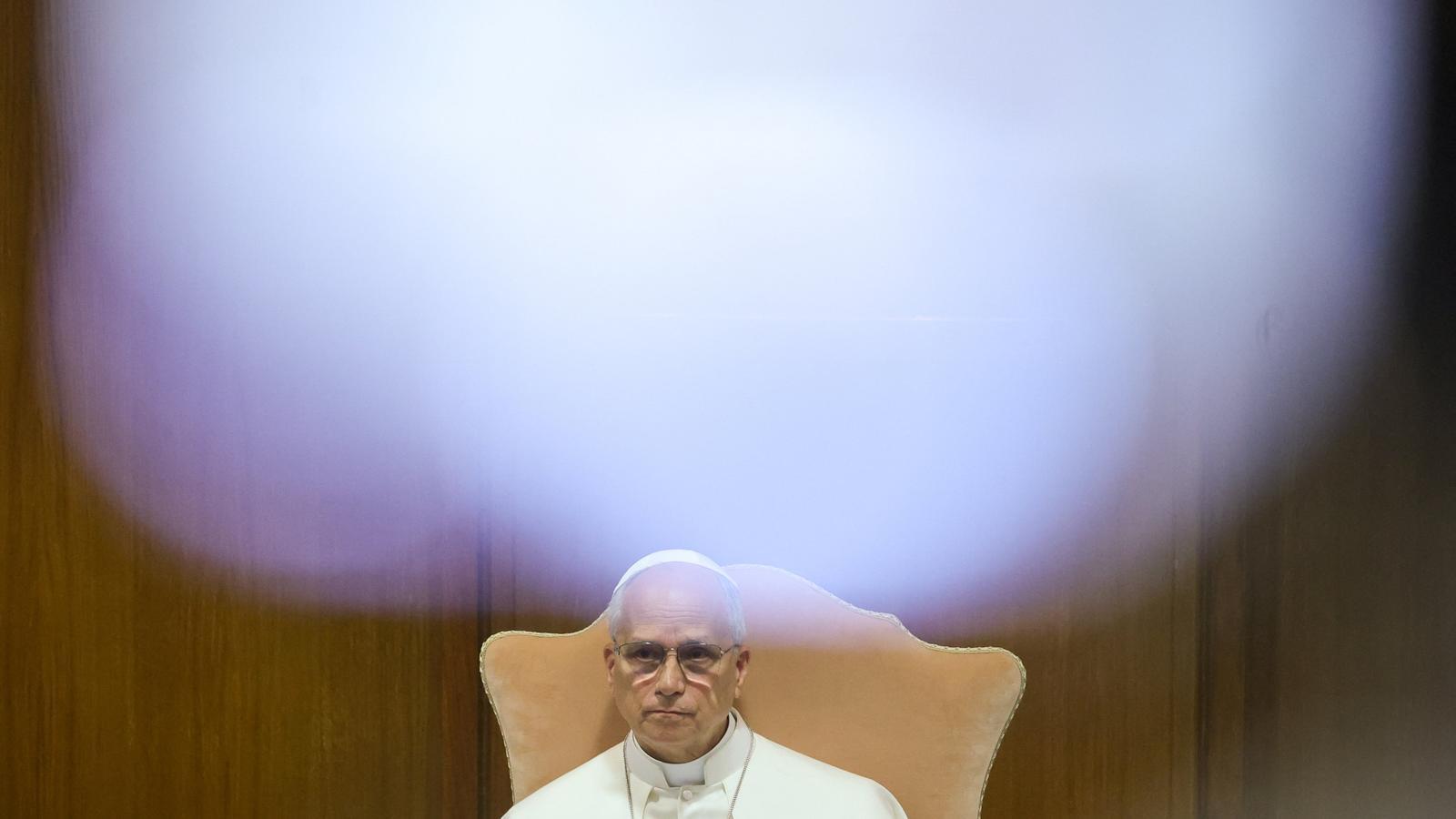
“The disregard for truth leads slowly but inexorably towards totalitarianism, for which, as the philosopher Hannah Arendt wrote, the ideal subjects are “people for whom the distinction between fact and fiction (i.e., the reality of experience) no longer exists, and the distinction between what is true and what is false (i.e., the norms of thought)””. This quote is from the first encyclical of Pope Leo XIV, who seems comfortable diving headfirst into denouncing the battle for ideological hegemony of powers that consider themselves omnipotent and pursue dehumanization. I don’t know if it should be understood as personal interest, intellectual concern, or a feeling that the Catholic Church is out of touch with the times and risks derailing. In any case, Leo XIV has a freer way of speaking than his predecessors – always zealous in defending their doctrine – which allows him to intervene naturally in public debates and even pave the way, before the immense ceiling of artificial intelligence imposes itself on the world and deploys technology to impose a form of domination of the human. And he does so without shying away from pointing fingers at the new great powers of the world: an elite that “runs the risk of leading us to new atrocities”. That is, towards the overwhelming of the human condition to subject it to suffocating levels of submission and capitulation.
Leo XIV points directly to the techno-fascism that seeks to subjugate man through the technological framework under construction: pointing to AI as suspicious, because its ability to overwhelm humans with an infinite combination of data seems to go directly against the complex singularity of a species endowed with intelligence, sensitivity, and desire, three capacities that institutions – religions among them – have traditionally exploited to impose their obsessions. A species that inhabits a fundamental reality: no two people are the same, and this difference makes power an essential structure of any relationship. AI raises doubts about the possibility of maintaining human singularity, with the risk of imposing a new – and more sophisticated – version of totalitarianism, a product of the era of digital explosion. It is not a rarity: technology has marked humanity's changes. And, therefore, we must be vigilant.
Leo XIV has taken the lead in a crucial debate. He is making himself heard and is taking center stage at a time when conventional political ideologies are short of resources, partly because they are not trained to think and decide freely, as the circumstances require. Certainly, many will want to see opportunism in Leo XIV's admonitions, who has not hesitated to point out Trump's atrocities. Certain powers are uncomfortable with a pope focusing on the big issue of the moment: that a technological project with very specific owners may seek to impose forms of universal domination. Which, it must be said, can even compete with religious culture that develops from a truth attributed to superior beings who are completely beyond the reach of humans, however much fables like the son of God and other stories that have fueled humanity's journey on Earth remain current.
What makes Leo XIV react? The fear that AI may end up being a threat to the fables of impossible demonstration on which religious beliefs live? What is the Pope defending: religions or the singular precariousness of the human condition cyclically threatened by authoritarian deficits? In any case, it serves as a warning: all technology depends on its use; a knife can be used to cut bread or to kill a neighbor. And AI is an instrument of overwhelming potential that can contribute to knowledge, but it can also open up a new, and extremely sophisticated, form of oppression and submission of humans. That a pope feels the responsibility to issue a solemn warning deserves recognition, when so often we have seen – and in Spain, often – the Catholic Church in the service of oppression.
