'GTA VI' and the art of running over defenseless pedestrians
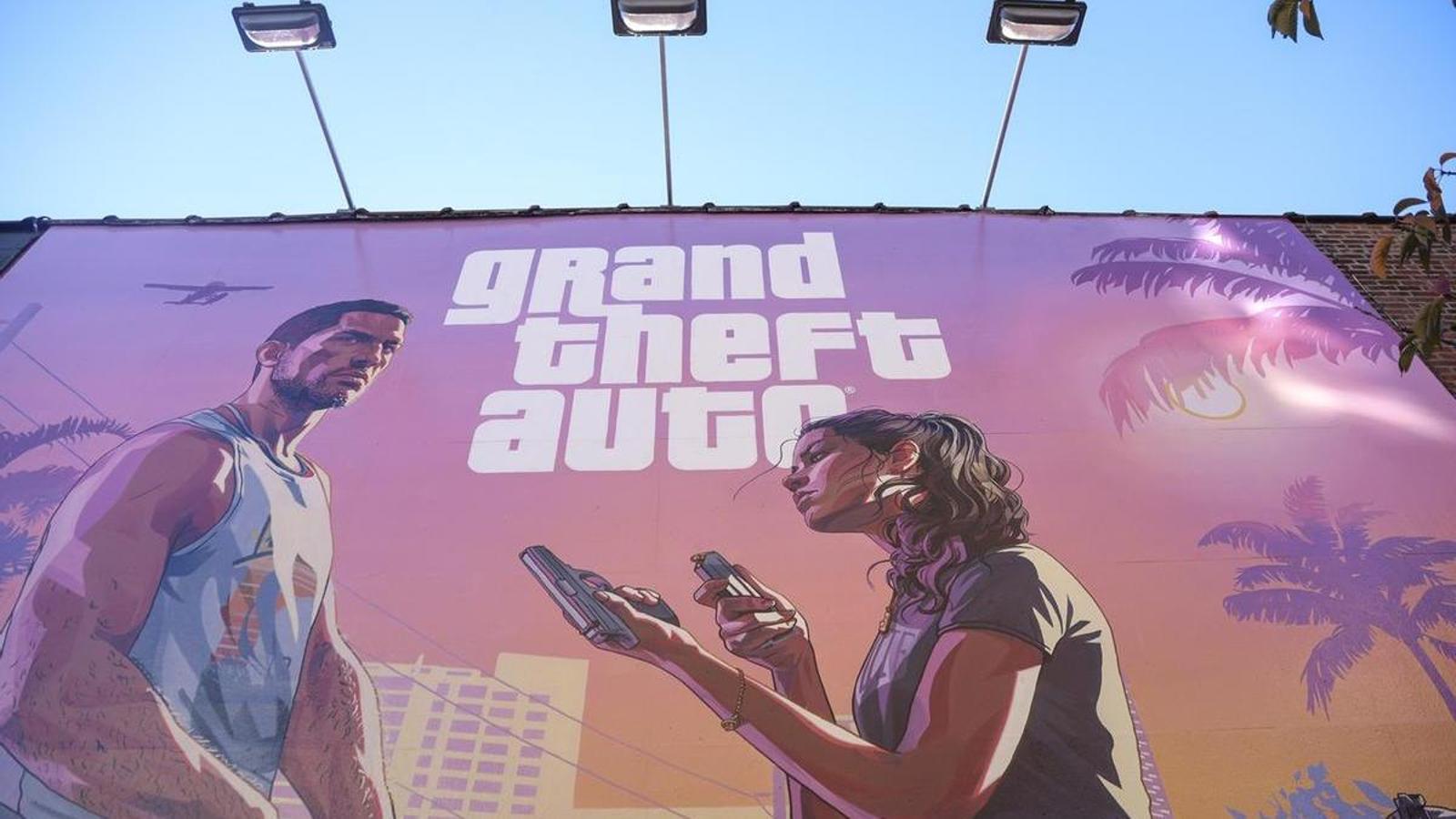

Grand theft auto VI, which must be described without a hint of exaggeration as the most anticipated video game in history, offers you the possibility of doing almost anything you want in an incredibly vast and detailed reconstruction of Miami. I have only been playing it for twenty-four hours and I have already run over a considerable number of pedestrians (in the virtual city, not in the real world; I specify). It is not the main goal of the game, but rather a side effect of its design: while most video games impose many limits on what is possible, the fun here is being able to entertain yourself doing secondary things, as if while reading a detective novel you could stop the narrative and spend two hours driving through adjacent streets and annoying secondary characters. In GTA VI I don't run people over for pleasure, quite the opposite: I try to avoid it and, when my patience runs out due to haste, I feel a certain guilt when the buttons I press make one virtual being crush another. And it also makes me laugh a little.
What is this mixture of guilt and laughter that fictional beings and situations make us feel, and what should we do about it, is one of the oldest questions there is. GTA VI pushes us to re-ask it, just as social media forces us to reconsider what a friend is or what it means to be informed. Let's start with the old: the GTA VI is the typical fiction designed to excite base passions, as ancestral as pornography or blood-and-guts dime novels. And since the beginning of time, it has been warned that exposing oneself to abject fictions can lead us to adopt abject behaviors. The result of this cultural squabble is ambivalent: it has never been proven that consuming fictional immorality necessarily makes us immoral, nor that societies with more censorship are less cruel. At the same time, it would be absurd to deny that art can normalize prejudices and dehumanize groups, and that there are books and movies that have lubricated the moral downfall of many people.
Art has often been justified with the promise of squaring this circle: to explore our worst impulses in order to learn how to relate to them, instead of obeying them without thought. Perhaps the most significant historical change within such timeless principles is that, with modernity, we have moved from finding certain images so powerful that they had to be forbidden to believing that they can teach us something. With one condition: that they allow us to interrogate not only the cruelty depicted, but also the pleasure that contemplating it provides us. The promise is not to turn us into better people for having seen an atrocity, but less naive regarding ourselves: to be capable of thinking about our contradictions instead of being mere victims of them.
Now the new: the problem with video games is that we still do not have them fully situated. The keyword is immersion: video games involve us in their world without the contemplative distance of traditional arts. You do not consider the image of a shootout: you press the button that fires the weapon. If we add to this the constant improvement of graphics, it seems that the mechanisms of mediation that we consider necessary for a violent cultural product to be redeemed are increasingly disappearing. Against the weak argument often brandished by militant criticism, to grant the status of art to a video game it is not enough to explain that the landscapes are beautiful and the background narrative is complex: it is necessary to explain how the way of doing what you do inside the game has some merit.
Well, if I had to say just one thing to someone who has never played this game and in the coming days will not know what to make of the bombardment of obscene scenes to which we will be subjected by the media talking about this video game, I would tell them that GTA VI is a profoundly satirical product that contains the keys to playing it with critical distance. From the narrative wrapping, which gives meaning to what the characters we control do, to the subtle aestheticization, which always reminds you that nothing is entirely real, while at the same time it is a little bit, the game inscribes the actions we carry out in it into a very interesting parody of American gun culture or the immorality of capitalism, among many other big themes. Naturally, taking advantage of these tools is not the exclusive responsibility of the game, just as a bad reader can consume the Marquis de Sade to unthinkingly enjoy the scenes of child torture while an educated reader knows how to find deep reflections on the nature of freedom and morality.
Immoral art can be complex and fruitful, it can be innocuous, and it can also be genuinely coarsening. Wearing my critic's hat, I find that GTA VI is a product more than capable of taking us to the best places of this dark and seductive tradition of art, and surely the work that will go furthest within the still-questioned family of video games. However, unlike white and pedagogical art, the enjoyment provided by immoral art always carries a certain risk and requires a certain level of reading comprehension. Can one run over a virtual pedestrian with a mixture of guilt and laughter and find, in those tingles, a stimulating intersection between reflection and entertainment? Twenty-four hours ago I had never asked myself this question; now I know that I can.
