And what about Catalonia?

The “risk of involution” that this newspaper’s editorial spoke of is no longer a risk, but a tangible threat. The PP and Vox majority is solid, thanks to the growth of the far-right, which will surely radicalize the agenda of the new Feijóo government. The left is forced to reinvent itself, starting with its leadership (Sánchez and Colau are left quite exposed), and therefore Feijóo will have room for maneuver to govern and get budgets approved; it will surely be a contrast to the chronic chaos of Pedro Sánchez's last term. But the new president will exercise his office carrying a heavy burden, which is his dependence on Abascal’s ideological delusions.
The progressive decline does not affect the sovereignist left: ERC, Bildu, BNG, and Adelante Andalucía demonstrate that, at least in the current situation, there is no alternative to the right that does not consider the plural character of the state. The moat between the two Spains is widening: Either the uniform, stale nation of Francoist matrix, or a new progressive and plurinational State. For now, this second Spain is frankly minority... except in Catalonia and the Basque Country. The same old map.
With an absolute majority for the right, the Spanish political theater will lose appeal for those Catalan politicians most eager for action. I dare to predict that Gabriel Rufián and Miriam Nogueras will eventually land in Catalan politics, sooner or later. Our electoral map, once again, is very different from that of Spain as a whole, with a 20-point differential regarding votes for the PP and Vox. Those who have voted to stop the rise of the extreme right are a very broad majority, led by a PSC that resists despite the weakening. The most likely scenario is that Salvador Illa will try to present himself in Parliament as the sponsor of a unitary agreement to face the Spanish government’s onslaught against Catalan self-government and against the language.
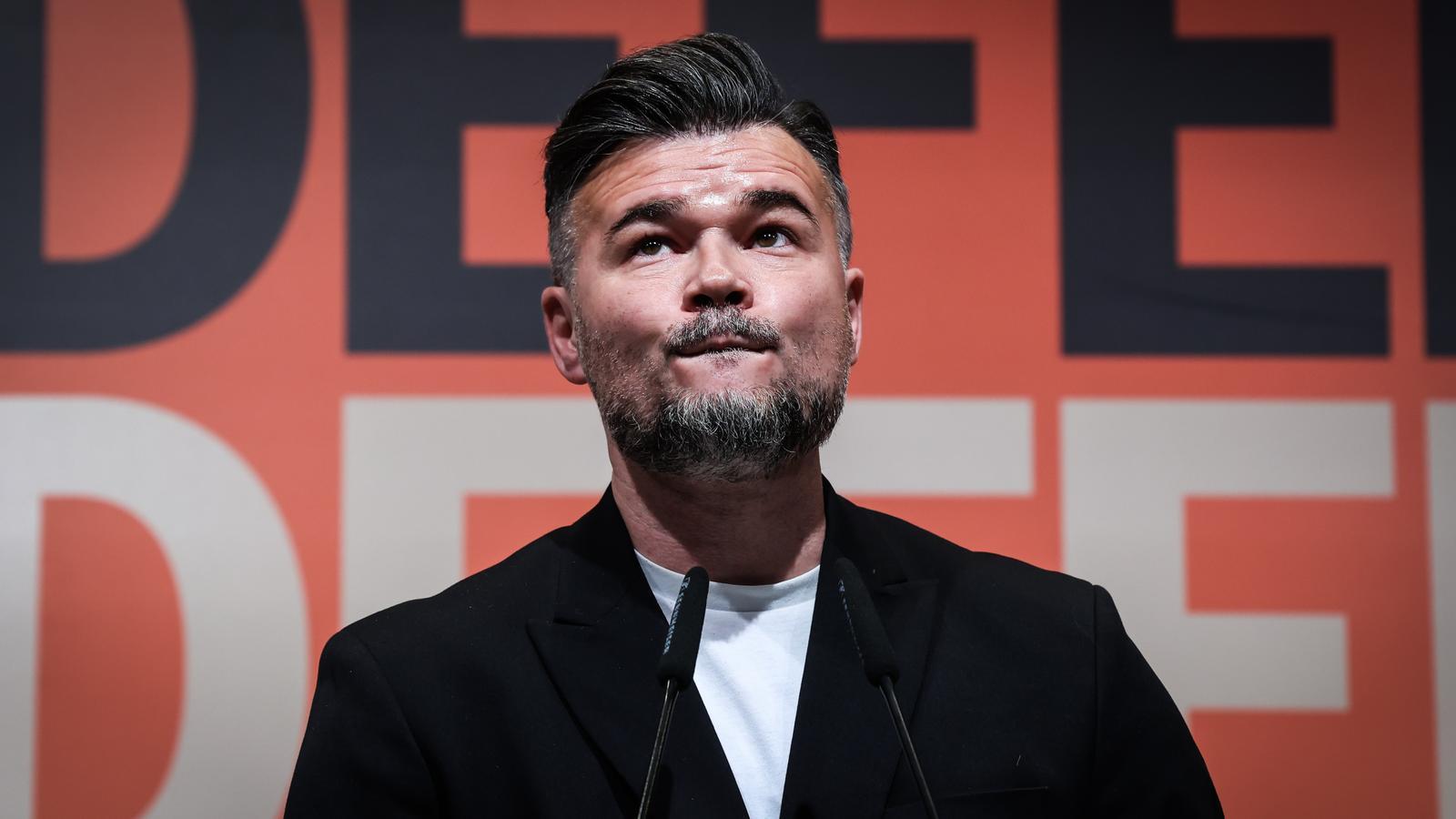
The point is that there is just over a year left until the Catalan elections, and ERC, thanks to the Gabriel Rufián bonus, has achieved a very good result (11 deputies, second force, almost 20% of the votes), has left its traditional rivals (Junts and Comuns) behind, and, in these circumstances, it remains to be seen whether Oriol Junqueras will want to continue acting as a crutch for the PSC. It also remains to be seen whether Rufián, once in Barcelona, will resign himself to a secondary role. Last night, for starters, he appeared before the press all alone: an unprecedented image.
The logic of the situation—a strong and hostile government in Madrid—invites talk of regrouping. ERC is posturing as a national left, and has already cast its line to the CUP through the mayor of Girona; will it do the same with the Comuns, as Rufián would like? The moment is optimal, because Colauism has taken a real beating. But a sector of ERC—there is always more than one sector in ERC—would like the same hand extended in an independence-minded key, that is, not to cut ties with Junts, those who, according to Rufián, have a 50-euro note as their flag. ERC now has a certain power, and that implies a certain responsibility.
Junts, which has fallen, though not as much as it seemed, relies on the Puigdemont effect to regain ground. But it cannot deny two pieces of evidence: It has lost votes to the right (anti-Sánchez votes) and in future contests it will have to confront Aliança Catalana. The shift of the electorate to the right forces the 'juntaires' to limit their flirtations with left-wing parties. And, despite everything, the Feijóo and Abascal government could force them to do so. Between Spain and the wall, as Carod-Rovira used to say.
