Iran, strengthened
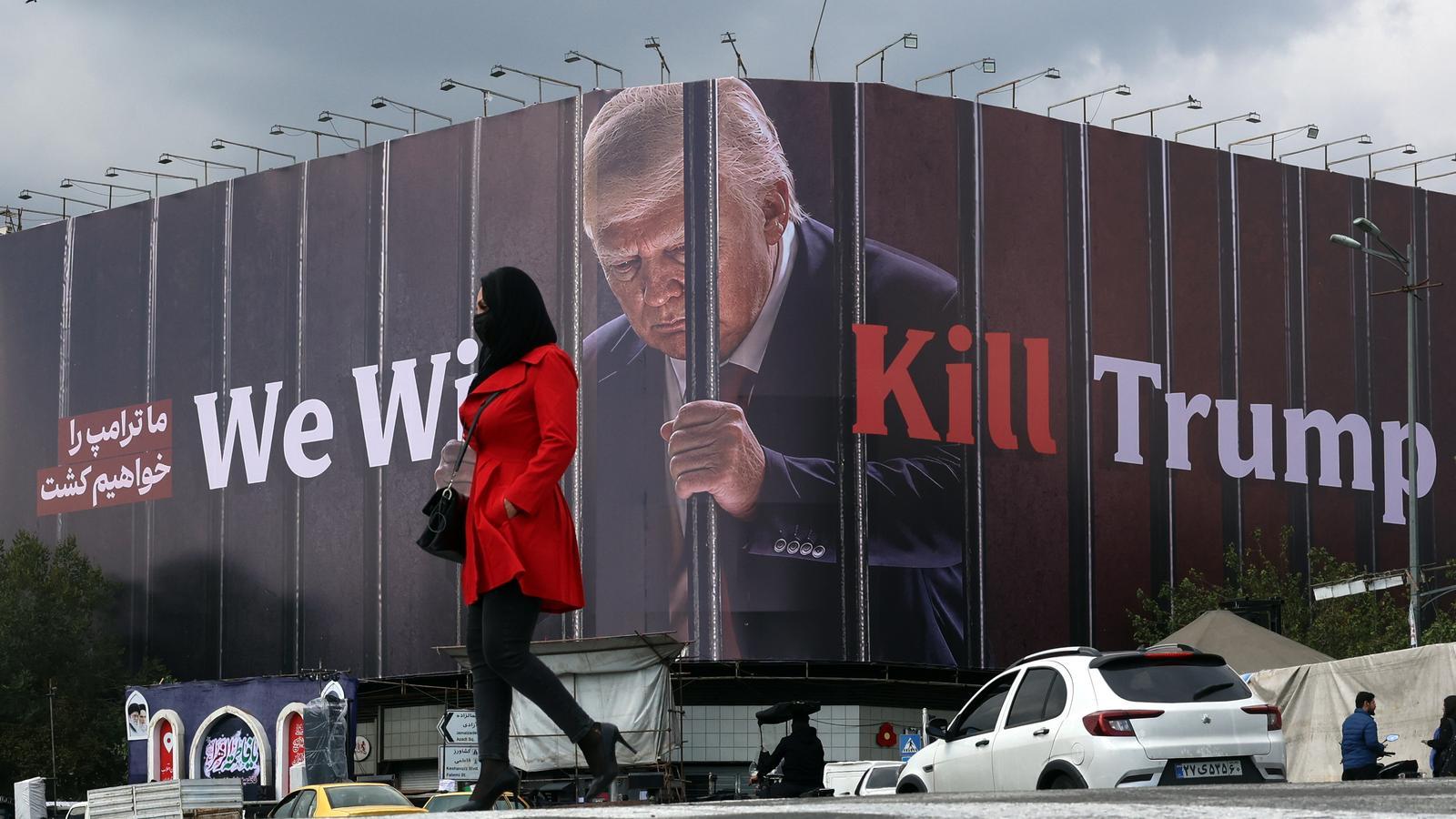

At the start of the US and Israel war against Iran in February 2026, with aerial bombardments and destruction of industry and infrastructure and a naval blockade, President Trump declared: “Total and complete victory”. Nine months later, the situation is different. Iran retains military and economic capacity. The incitement of the population to revolt against the government has not produced significant effects. The goal of the war –to destroy the Islamic Republic– has not worked (as explained by Narges Bajoghli and Vali Nasr in Foreign Affairs). Moreover, American voters have said enough with their vote against President Trump and Netanyahu has been ousted from power.
The US and Israel launched airstrikes on February 28. They hoped to weaken the regime quickly and replace the existing government with a more aggressive one, which would generate more conflict among the population, to provoke an internal revolution. It did not happen. The new leaders, who came to power after the founders of the Islamic Republic – Ruhollah Khomeini and Ali Khamenei – form a second generation of leaders: Mojtaba Khamenei, the new supreme leader; Bagher Ghalibaf, Speaker of Parliament; and Ahmad Vahidi, commander of the Revolutionary Guard. And they have evolved from radical Islamism to a discourse based on the defense of the government and the state. Their asset is having defended the state, having won two wars, and having achieved a weakening of the US and Israel, which the revolution had promised but not achieved. They do not defend the revolution, they defend the state.
Iran planned the war in order to reduce the US stockpile of interceptor missiles and simple drones, to weaken the military capacity of the sixteen American bases in the area. It worked for them.
Focusing the war on the Strait of Hormuz has proven effective, and Iran's naval blockade, difficult to eliminate. The US believed that Iran would not be able to block the strait, and that even if it could, it would not do so, because it would hinder the export of its oil. A double miscalculation. First, because a strait can be easily blocked if it is mined. It is cheap and easy to do. And then, since there are doubts about whether passing will cause damage, traffic stops. No one wants to take the risk. Second, because Iran can export its oil by pipeline and does not need maritime traffic to be feasible in the Strait of Hormuz.
Iran has turned the strait into a powerful weapon to harm the economy of the US and the West. The blockade has harmed the US more, with a rise in oil prices of more than 20%, than Iran, which was already affected by the blockade imposed by the US. It is ridiculous that this situation has become a problem for the US when they are the ones who caused it.
It has become evident to the states in the region that the USA is not in a position to protect them. Shifting the theater of war from the air to the blockade of the sea has impaired the effectiveness of the US military. The use of drones, fast boats, and mines has made it possible to stand up to the USA and block the Strait of Hormuz. These strategic changes have compensated for the reduction in Hezbollah's strength and the defeat of Assad in Syria, close allies of Iran. These were serious problems for them at the beginning of the conflict, but they have ceased to be so.
The reaction against the aggression has unified the people and the different factions of the regime. Citizen protests have diminished. The separation between government and people, visible in January, has lessened. The army has ceased to be the aggressor, to instead become the defender, as evidenced by the material destruction generated by the war.
As the philosopher Mohammad Mehdi Ardebili has said: “At this moment, the Islamic Republic and Iran are one and the same. If the republic falls, Iran falls. [...] We are in a national war, a new identity is being forged.”
The state continues to repress the population, but its engine has shifted from being religious to political. Thus, the support base it has is broader and the country's solidity is greater. The hijab has ceased to be a religious symbol to become a political symbol worn by good citizens of Iran. The war and the focus that it has entailed have blurred, in part, the differences and the weight of religious symbols.
The state, which does not believe in or expect a lifting of the US economic sanctions and embargoes, seeks with the end of the war to consolidate the gains achieved and maintain control of the Strait of Hormuz. They have it within reach.
Secretary Marco Rubio and Vice President JD Vance believe that the country is fractured and radicals control the state. “We are winning,” they say. They have not understood Iran’s shift in policy as a consequence of the war. Iran does not want to return to the situation of containment as a consequence of the war-peace situation of the last 20 years. Iran will not abandon its traditional allies, but the principles will now be of strategic discipline, rather than ideological romanticism and, therefore, Iran’s strategy will be more effective.
War should not be fought on a single front, but with simultaneous and coordinated diverse fronts: this is what the experience of the last two wars has demonstrated. Iran now resembles the Turkey of the Kemalists and the Egypt of Nasser more, regimes in which ideology exists, but is subordinate to the interests of the state. The experience of war has strengthened the Republic. The opposite of what President Trump wanted. But it does not matter, he will claim that he has defeated Iran. There are people who accuse others of being ideologized and do not see that those who are are themselves. The beam and the mote in the eye.
