A more difficult era for Catalonia
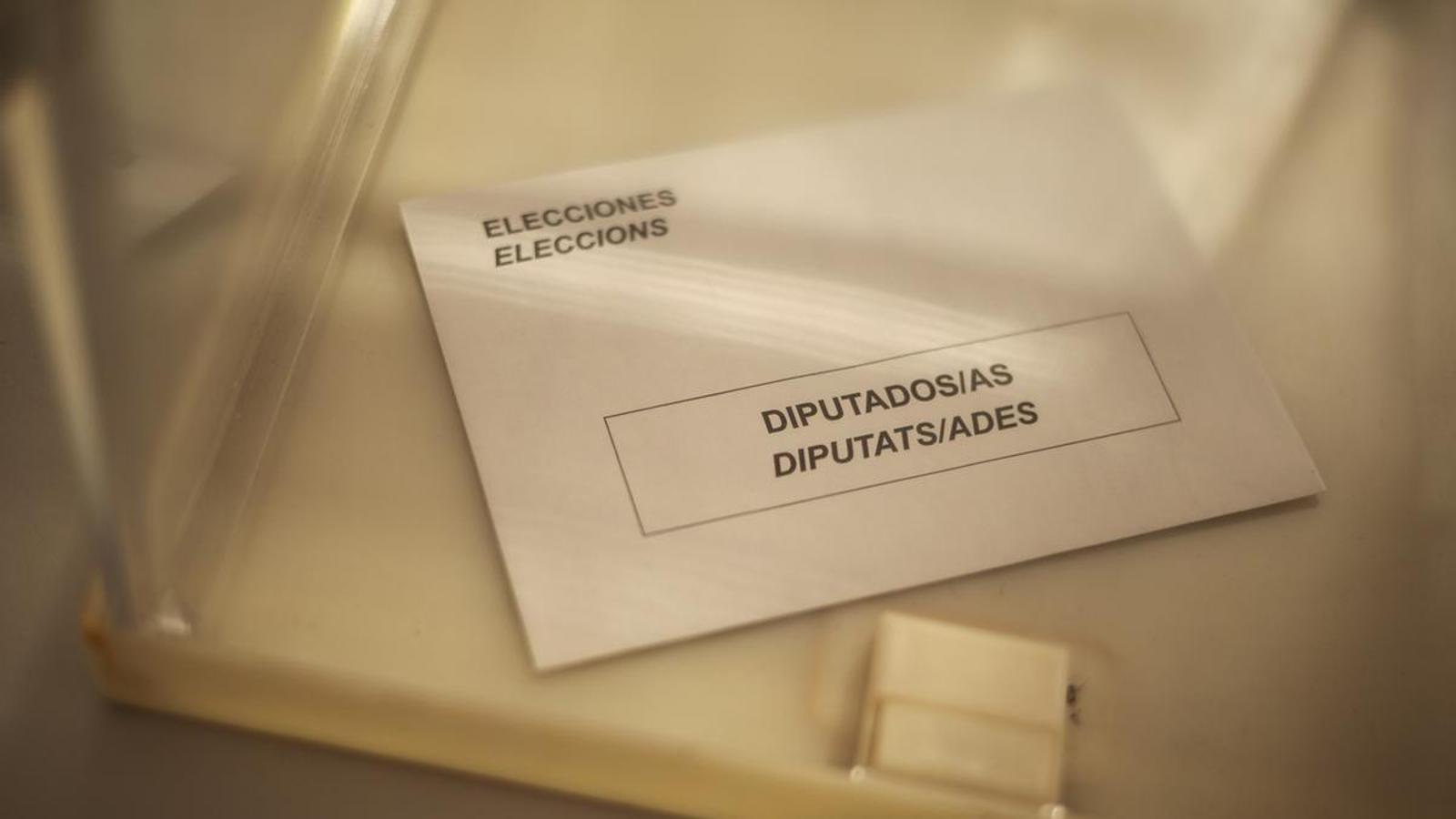

It was heartening to see the queues to vote at the polling stations. Despite so many reasons to disconnect from the parties, the urgency to participate (in all directions) was ultimately unleashed. That, in a society so fractured politically and economically, the link between ballot boxes and collective future worked peacefully is a sign that all is not lost.
The PP and Vox will govern, and this is very bad news for Catalonia, considered the rebel, anomalous community. The amnesty has left a patriotic wound as high as Ceuta. Remember that Vox acted as a private prosecutor in the 'Procés' trial and, therefore, we are not facing an alternation of power, but a vengeance from power. Catalonia will have to face a Spanish government that is especially hostile to the language and opposed to the transfer of any political power, which puts it before more risks than opportunities. But there will be opportunities, because the Government will no longer have to look out of the corner of its eye at La Moncloa so as not to annoy, and because the reactive DNA of the Catalan personality is combative. It is only necessary to remember that Aznar's absolute majority (2000-2004) ended with the drafting of a new Statute, a precursor to the 'Procés'.
There are two great winners of the Spanish elections in Catalonia: Rufián and Albiol, candidates who outperform the brand. Esquerra has proven to be competitive in the dispute for the useful vote against the PSC. Junts, for its part, has resisted not as much as it would have liked, but more than what those who were already singing its funeral rites were saying.
We are entering a difficult era for our country, because, as professor Laia Balcells (Georgetown) said days ago in an article in ARA, “when a far-right party announces what it wants to do, it must be taken seriously”.
