Who cares about prostitutes?
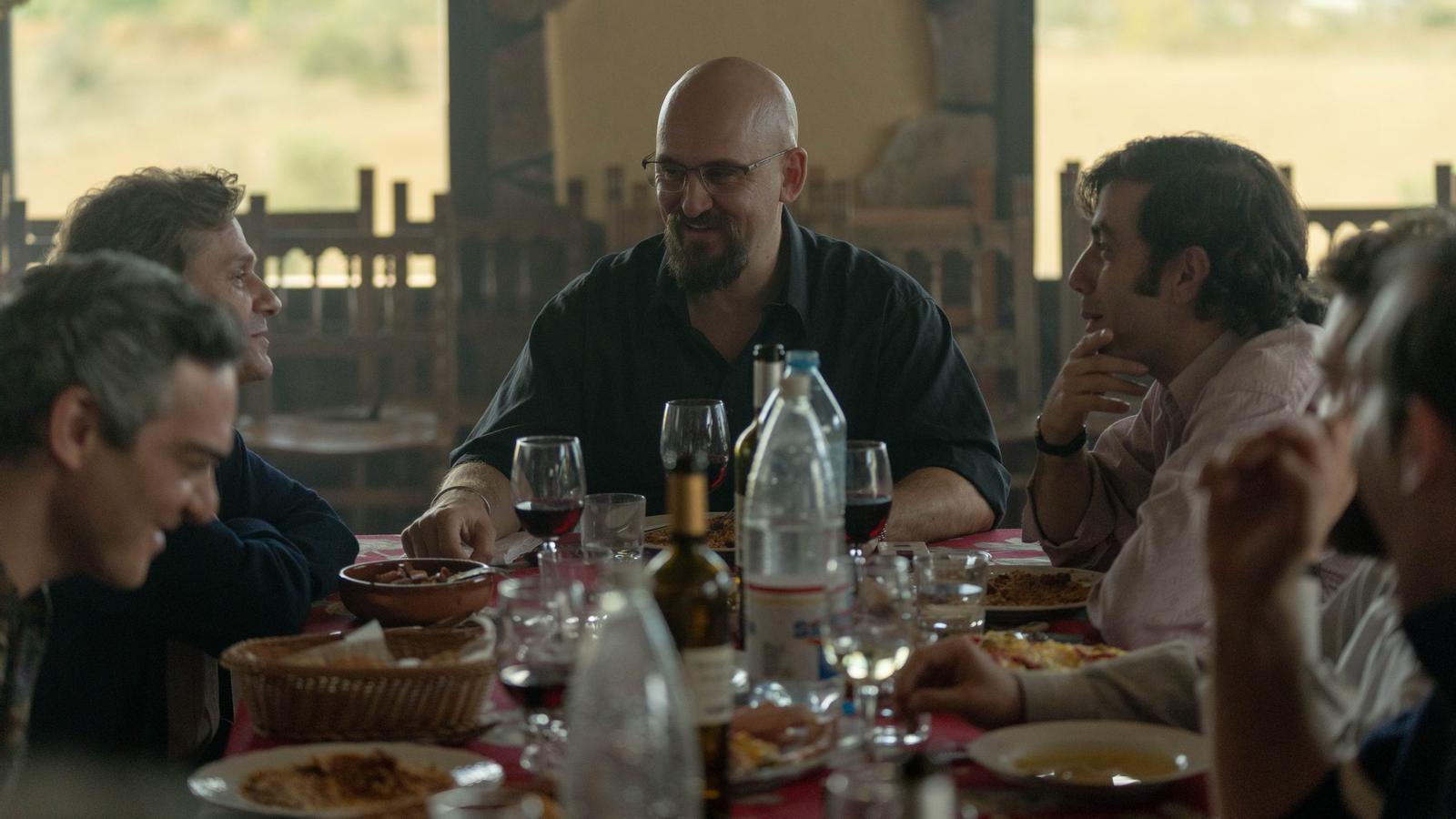

“I mean, who cares about prostitutes? Who cares about a plot like that?” These questions were rhetorically posed by actress Laia Marull in an interview that Alejandra Palés conducted with her a few weeks ago for this newspaper. They were talking about the series El castillo, on Movistar +, where Marull plays a police officer who participates in the investigation of the criminal and economic web of a network of macro-brothels from the late nineties. Marull made this reflection regarding the hardness of the story, because, despite being fiction, it is based on rigorous documentation work about this world. There are six episodes, each of which has a title based on a type of client who frequents these venues. Marull is right with her reflection: it is not easy to digest a story about the trafficking and sexual exploitation of people. First, because it is sordid, and second, because tropes have been associated with it that have simplified it. And this is the virtue of El castillo: its ability to enter a subworld of business, crimes, and miseries that end up surprising the viewer. The series allows you to poke your nose where you would never want to enter. And viewers who are more familiar with these environments might discover everything that moves around them.
Isabel Peña and Eduardo Villanueva already demonstrated as creators and screenwriters of Antidisturbios this desire to incorporate reality in a very raw way into the narrative. Nothing is true, but everything works as it does in reality. With El castillo, furthermore, they have worked in reverse compared to most Spanish series about prostitution. Just as other fictions take the opportunity to sexualize actresses and turn sex into a hook, in this case they avoid the option of continuing to exploit what they precisely denounce with this series.
Claudia, played by Valentina Vidal, is the protagonist who will lead us through the circumstances suffered by women who are illegally sent to Spain, exploited and extorted by pimps. A magnificent Raúl Arévalo takes on the role of El Suizo, the lead pimp through whom we see how the entire criminal organization is built. The series goes back to the nineties and the early two thousands to show how society, the media, the police, and the justice system perceived the prostitution business back then. El castillo tells a story that draws you in, but at the same time, it constructs a distant gaze that observes as we would if we were in those spaces. From the wide shot to details that sometimes explain and other times only convey a mood or an atmosphere, where the silences, the glances, and the facial expressions say a lot. There is a reading of the events with a gender perspective that turns out to be as powerful as it is subtle.
Certainly, it is logical to wonder who cares about prostitutes. But when you have seen the series you realize that you care to the extent that you are interested in knowing how our society works beyond what we can see with our own eyes.
