The first hours of the tragedy

On television, the first hours of a tragedy are usually the most cautious. These are moments when one must strike a balance because the urgency to know inevitably contrasts with the slowness of the rescue and the gathering of data.
On Wednesday, TV3 appropriately modified its programming. La selva covered the afternoon slot, in which the talk show with experts and novices serves as a transition system between the more specific news reports.
Following this, there was a good Telenotícies and a good special starting at ten at night. The deployment of the channel's professionals to the scene of the events and key points was commendable. The analysis went beyond the most technical aspect. It was interesting to address the political perspective, taking into account that the tragedy occurred during a highly tense electoral pre-campaign that will undoubtedly condition the parties' discourse in the coming weeks.
There is another television resource that has been normalized for years now, which is splitting the screen and broadcasting the catastrophe scene on a loop: the wreckage of the trains, the emergency teams, the images of the survivors still in shock... These are postcards that function almost as an anesthetic for the viewer, they are accustomed to the horror and anxiety is fueled.
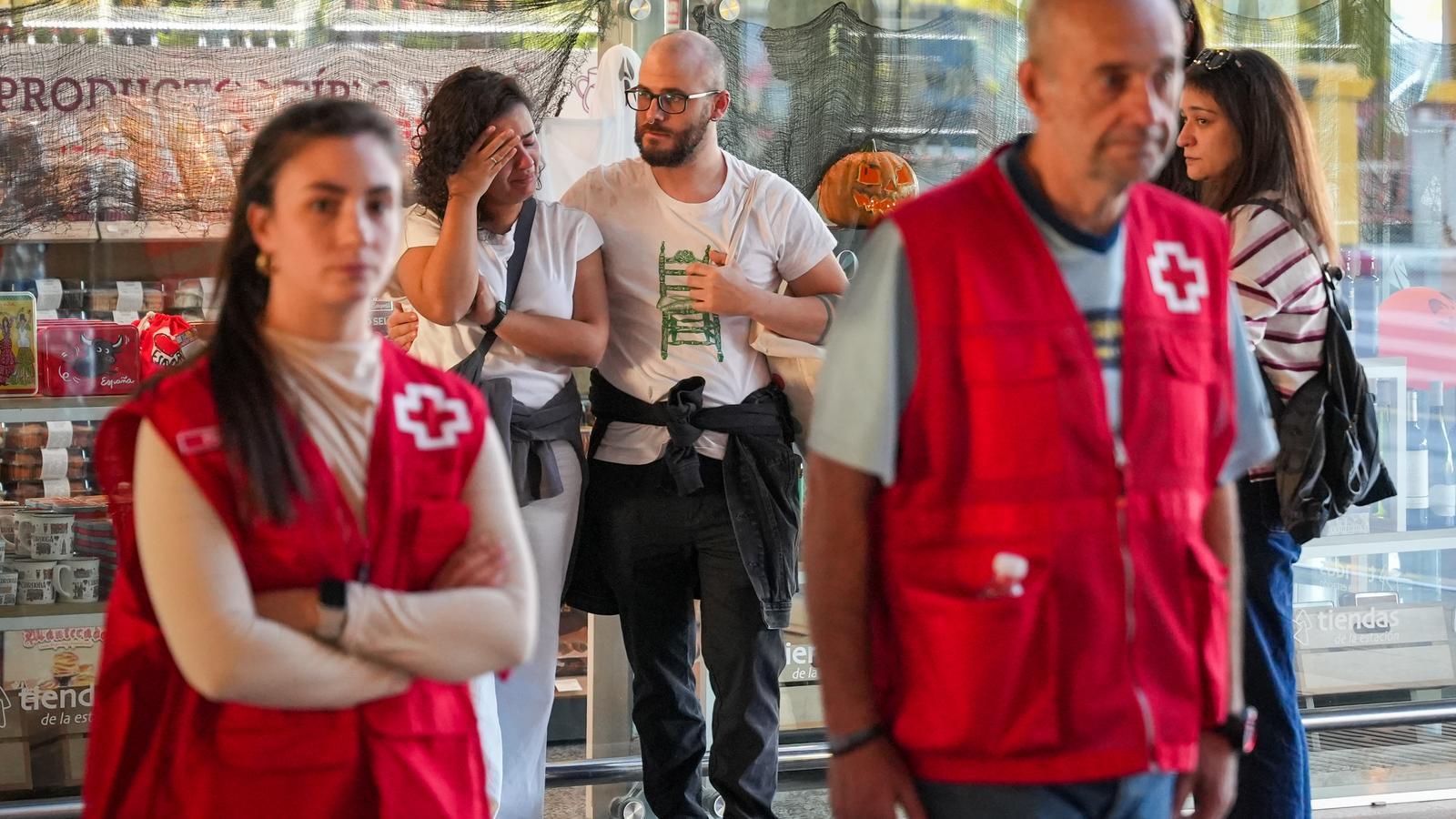
Another strategy is to extract stories: interviewing survivors or family members so they can explain what they have experienced. It serves to convey the full violence of the accident from an emotional perspective. When information does not flow with the necessary speed, this is the alternative: a portrait of pain. In the special edition of Objetivo La Sexta, for example, they showed recorded images of a distraught woman who could not find her brother, who was traveling on one of the trains. She was crying in a state of terrible anxiety. Minutes later we saw her live through a connection. A few hours had passed since that scene, she was calmer, but tears were still falling. She gave a physical description of her brother in case anyone had seen him. Shortly after saying goodbye to her, they repeated the recorded images of her distress.
Amidst the information voracity, journalism has little time to reflect on itself. Everyone was reproducing the control center's audios with the train drivers, without assessing why they had been leaked to the press. Undoubtedly, they have relevant value, but one must ask what the leak contributes to.
There are graphic resources that have implicit meanings. On La Sexta, they were asking contributors whether Minister Óscar Puente should resign. Simultaneously, they showed images of him, but circled his face. A way of pointing him out that already hinted at the answer. In the coming days, as usually happens, the narrative will be more explicit and we will see how the supposed informative humanity will become a cruel showcase full of pain.
