A research that must go further
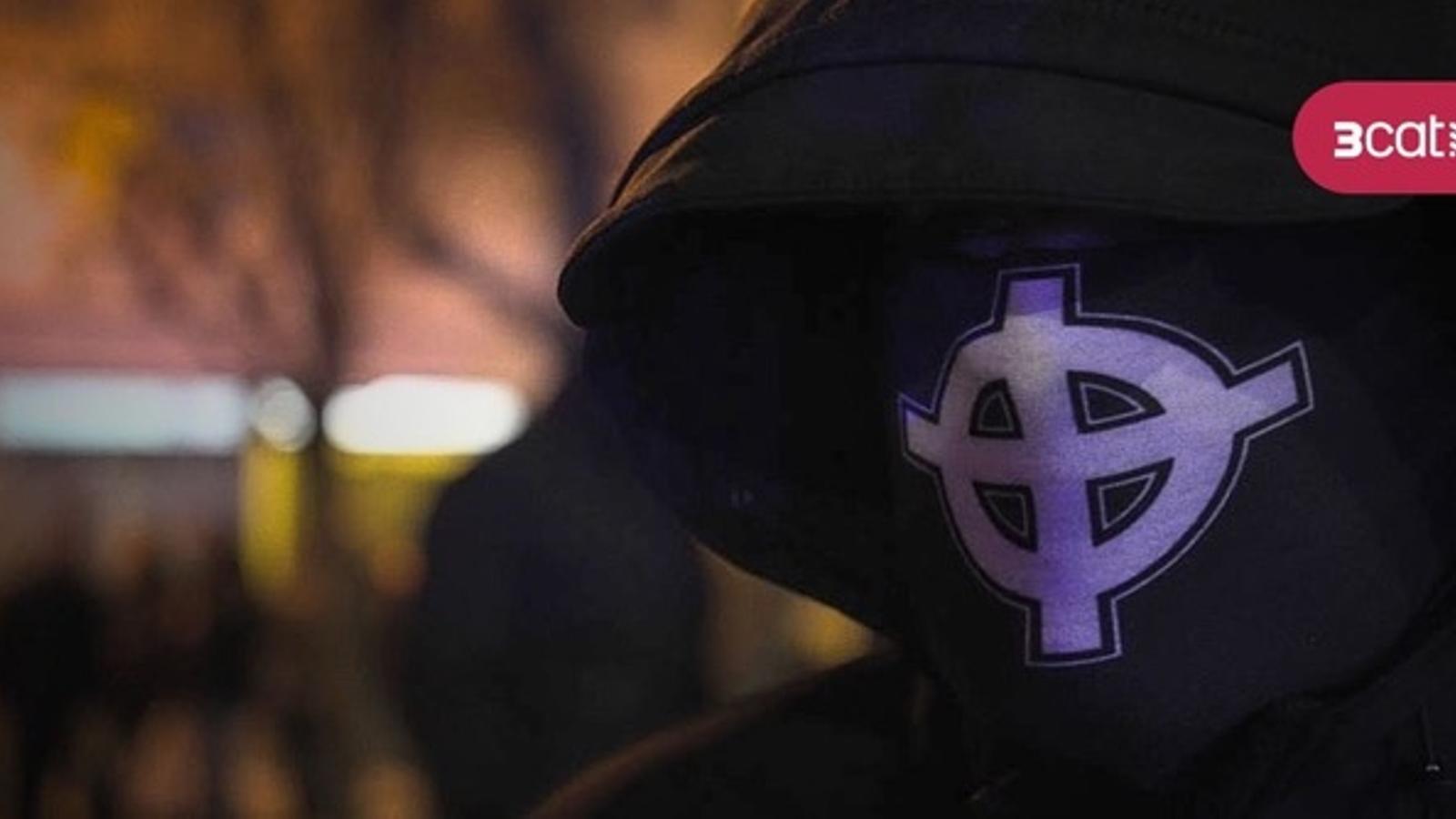

The 3Cat platform has premiered two new episodes of the documentary shorts "Point of no return, by Raül Gallego. Winner of an international Emmy last year, the first episode of this season, Europe: young people and the far-right tide, transports us to the core of the ultra wave that has been so talked about in recent years. And here comes into play the second chapter: Europe: young and anti-fascist, which delves into the youth movements that have organized to confront it. The search for these realities goes beyond Catalonia and is taken to Spain, Germany, France, the United Kingdom, and Belgium to highlight shared circumstances that are progressively expanding.
As in previous seasons, the choice of witnesses is the strongest point of the documentary work. Especially for the ability to penetrate very closed groups and establish a very clear dialogue with the protagonists: a very direct inter-locution that allows the audience to draw conclusions. However, it is advisable not to watch the first episode before going to sleep, because it will drive you crazy and you will have trouble falling asleep. "I am not a Francoist, far from it, but I do recognize what Franco did” is one of the opening phrases that already foreshadows everything you will find next. A crescendo that provokes terror. It can be interesting, but it is very unpleasant and irritating. The camera scrutinizes the far-right: their appearance, their symbolism, the terms they use, the spaces they occupy, the headquarters where they organize. The documentary enters El Nido, the headquarters of the neo-Nazi group Núcleo Nacional. It also accesses Hogar Social Madrid, an entity of supposed social aid with xenophobic criteria. Inevitably, it puts real faces to the breeding ground it shows Salvador, the Netflix fiction series starring Luis Tosar. And, therefore, watching Point of no return the viewer is presented with more unanswered questions: who coordinates them? Where do they get the resources to sustain themselves? Who finances them? Who pulls their strings? What political interests are behind it? What spheres of power are they linked to? The series still has a long way to go to investigate. Apart from any social and emotional issues that might explain the phenomenon, the web that sustains it must be uncovered. Gallego listens to the interlocutors' positions, but right now understanding their motivations and impulses is falling short, because the true core that perpetuates this scourge is not reached.
Having simultaneously presented the double episode with the themes of fascism/antifascism can cause some discomfort to the viewer, because there is a risk that they may be misinterpreted as two symmetrical phenomena. Two sides of the same coin observed from a narrative equidistance. It grates a little, but once you delve into it, you realize that the narrative is not neutral and explores both areas from different perspectives. But it also becomes evident how the far-right and fascism are much more skilled at using social polarization mechanisms to expand.
