Brief history of the veil in interviews

-
CAT -
CAST
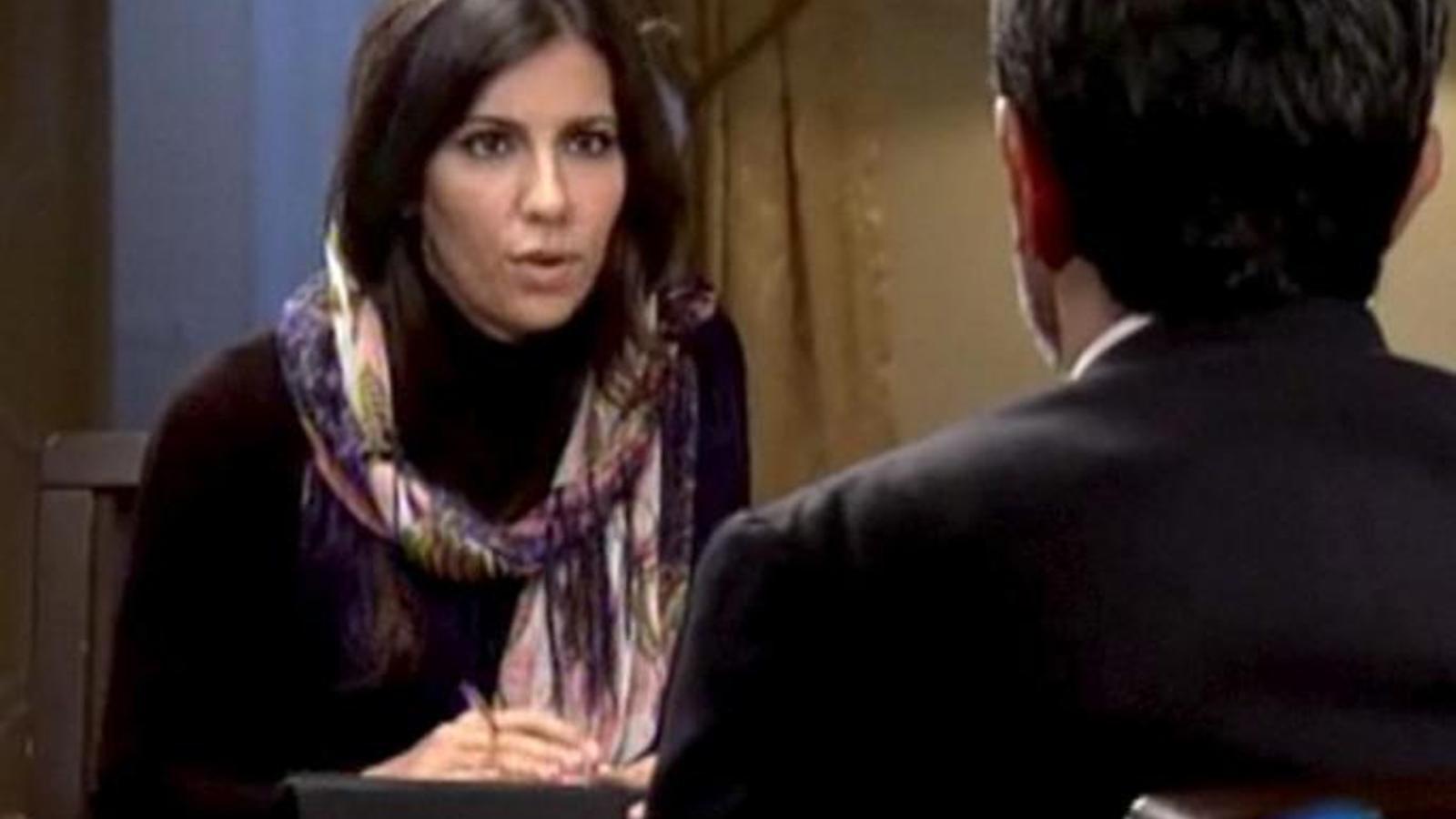
I was reading a very good report from the Columbia Journalism Review about the dilemma of interviewing dictators or not, and they recalled a legendary episode: that of Oriana Fallaci in 1979, when she interviewed Ayatollah Khomeini. She had agreed to wear the chador to be able to speak with him, but at one point when the Iranian leader told her that if she didn't like the Islamic dress "she was not obliged to wear it," she theatrically removed it and threw it on the floor, saying it was a "stupid and medieval rag." Khomeini interrupted the interview and left, but later reconsidered and finished the conversation. The Spanish journalist Ana Pastor also agreed to cover her hair to interview Mahmud Ahmadinejad. In this case, the scarf kept slipping until her entire head was visible. She stated that it was an accident. There was some controversy, but little else. Christiane Amanpour, on the other hand, had a scheduled interview in 2022 with the Iranian president Ebrahim Raisi, who demanded that she wear the veil "out of respect," alleging that they were in a holy month. She refused, arguing that they were in New York, where no law requires it, and she ended up without an interview. However, she made her protest clear by filming herself in a room with the empty chair that the leader was supposed to occupy. A few days earlier, Lesley Stahl had indeed agreed to cover herself to interview Raisi, which earned her criticism from activists like Masih Alinejad, as that submissive gesture legitimized the mandatory veil law.
These are four cases, each with its peculiar circumstances. The temptation is to let the reader decide what they would do if they had the option to secure a major interview, only if they complied with such a demand. But it's not worth dwelling on: dictators are ceasing to give interviews. We'll talk about it tomorrow, if current events allow.
