A disastrous headline about the accident with Infanta Elena

-
CAT -
CAST
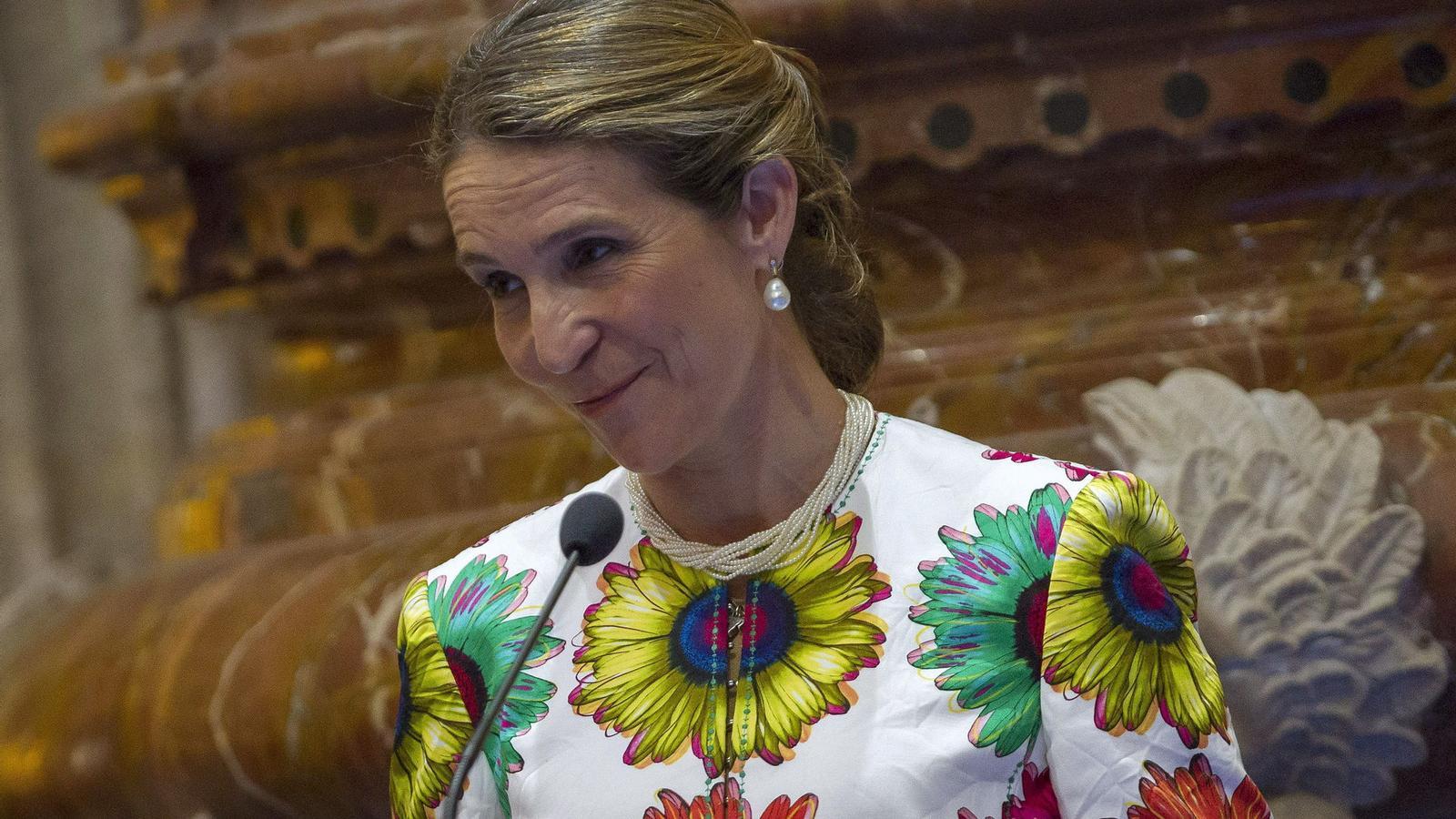
The Internet is the great steam engine of our times, which demands giant shovelfuls of coal to keep the information wheel turning. At times when a single event dominates the news, the chances of ending up throwing an incombustible rock that sparks into the boiler skyrocket. That is what happened to the magazine Hola!, whose courtly obsession played a bad trick on it when it wrote the following news item: "Infanta Elena was traveling on a train, but not on one of those involved in the accident." Not even Ada Colau would have had an attention-seeking attack like that. The publication ended up deleting the tweet with which it promoted the article and changed the headline to "Alarm for Infanta Elena after the Toledo train accident: her train was not the one involved," which remained absurd enough because it turns out that the King's sister was not even taking the same route where the disaster occurred, but was heading towards Albacete. "Infanta Elena is fine, but shocked by the tragedy," they wrote, once again placing her under the spotlight in an inexplicable way.
This tragedy has once again highlighted that not even in mournful scenarios can the politicized—or rather, partisan—media avoid grinding water for their own mill. In the coming days, we will see a head-on clash between the theory of human error, which exonerates the government, and that of the structural deficiencies of the system, which condemns it. The truth is in the gray: systems must minimize the possibility of human blunders, but people are also part of the processes (as long as the techno-oligarchs still allow it) and both parts of the equation are fallible. However, it will be difficult to find media outlets that delve into this complexity without clouding their judgment based on political preferences for November 29th.
