Ana Rosa, Iker and Inda, portrayed

Last Thursday, Eldiario.es published a report revealing that the publishing company of OK Diario, the media outlet directed by Eduardo Inda, paid 242,000 euros to the firm of the lawyer for Koldo García, the trusted man of José Luis Ábalos, former Minister of Transport of Pedro Sánchez's government. He is a central figure in the judicial investigation into possible corruption in public procurement of the so-called Koldo case. It is not only a scandal that a media outlet is the one paying the lawyer's fees, as specified by the invoices. It is also delusional that the entity paying in the case of the alleged corruption scheme linked to the PSOE is precisely the publishing company of a media outlet very critical of that party.
The aberration does not end here. The same day that Eldiario.es published the news, its director, Ignacio Escolar, and two other journalists from the outlet met with the lawyer Leticia de la Hoz to hear her version of the facts. Later, Escolar published that, upon leaving the restaurant where they had met, a burly man stopped them, showed them an OK Diario logo and informed them that he had been photographing them on behalf of Eduardo Inda. Shortly after, this same individual did the same with the lawyer. Minutes later, Escolar received a whatsapp from Inda with the onomatopoeia “Jo jo”, as if it were an evil laugh from the director of OK Diario.
All of this is relevant to explain how television has managed this scandal, which leaves Eduardo Inda in a very bad light. There is evidence of journalistic strategies that are deontologically indefensible and of the evident conflicts of interest that cast doubt on the information obtained by OK Diario. It also exposes intimidating methods that are improper for the profession. It is not surprising coming from Inda, but it remains well documented.
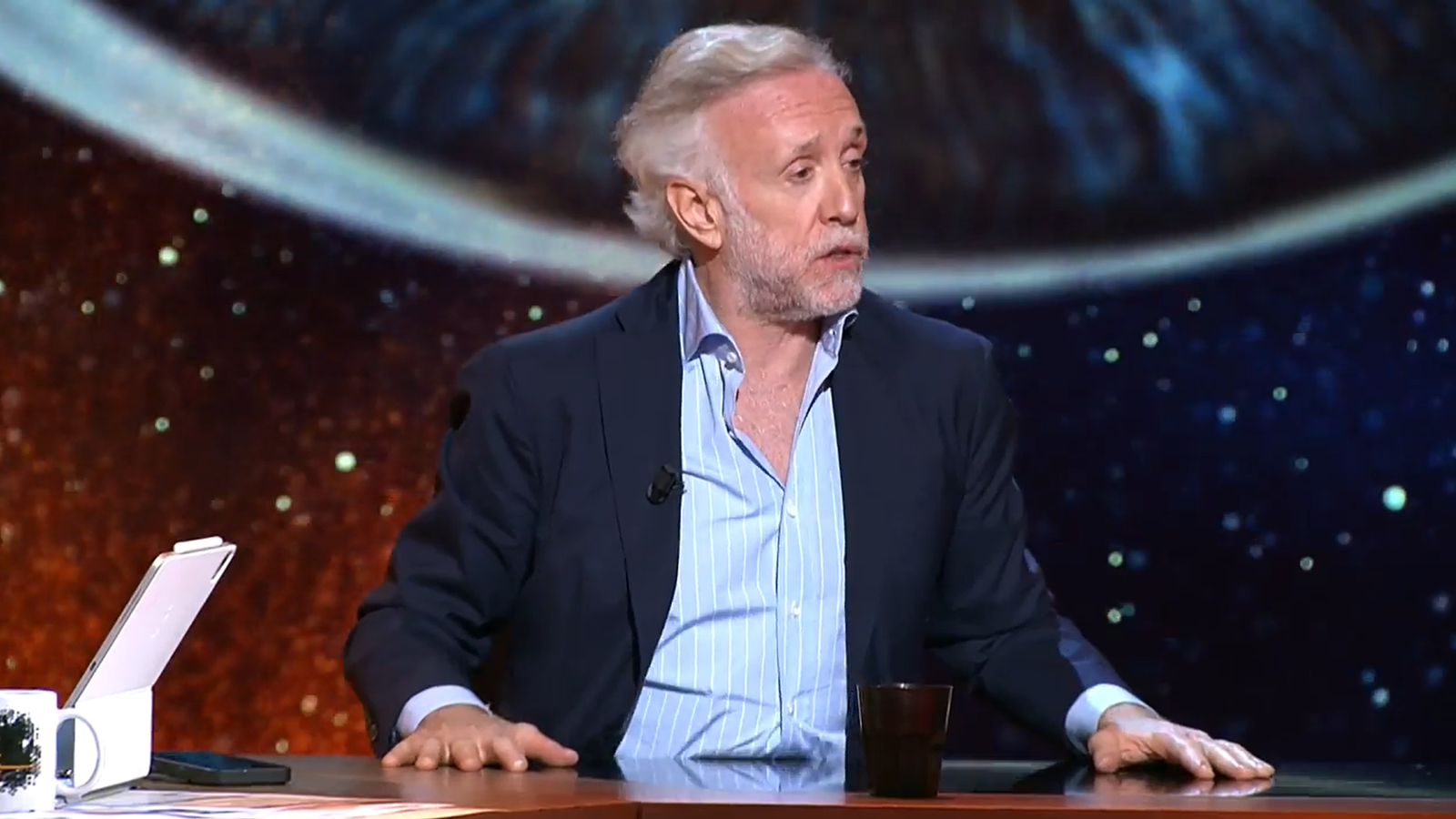
Inda is a regular on Mediaset's political talk shows. Curiously, he did not appear on the network's sets on either Thursday or Friday, but he made a double appearance this Monday. In the morning, he sat at Ana Rosa Quintana's table. Inda harshly attacked Pedro Sánchez's government, blamed them for the Urda tragedy, accused them of committing a crime by leaking the train drivers' audio recordings, and considered “los medios cómplices de este gobierno asqueroso” to also be to blame for it all. But Ana Rosa Quintana never asked him about the news from Eldiario.es. At night, Inda visited Horizonte and repeated the speech from that morning word for word. Although emphasis was placed on the alleged corruption of the socialist government, Iker Jiménez never asked Inda about the exclusive.
The silence of Ana Rosa Quintana and Iker Jiménez portrays them even more than they already were. They remain silent about a transcendent news story and continue to treat Inda as an authorized voice to judge current political events. In programs that daily and proudly scrutinize the government's conduct, demand transparency, and pretend to dismantle conspiracies, when they have a real one right under their noses, their legs shake.
