Why do some students pass to the next grade even though they have failed everything?
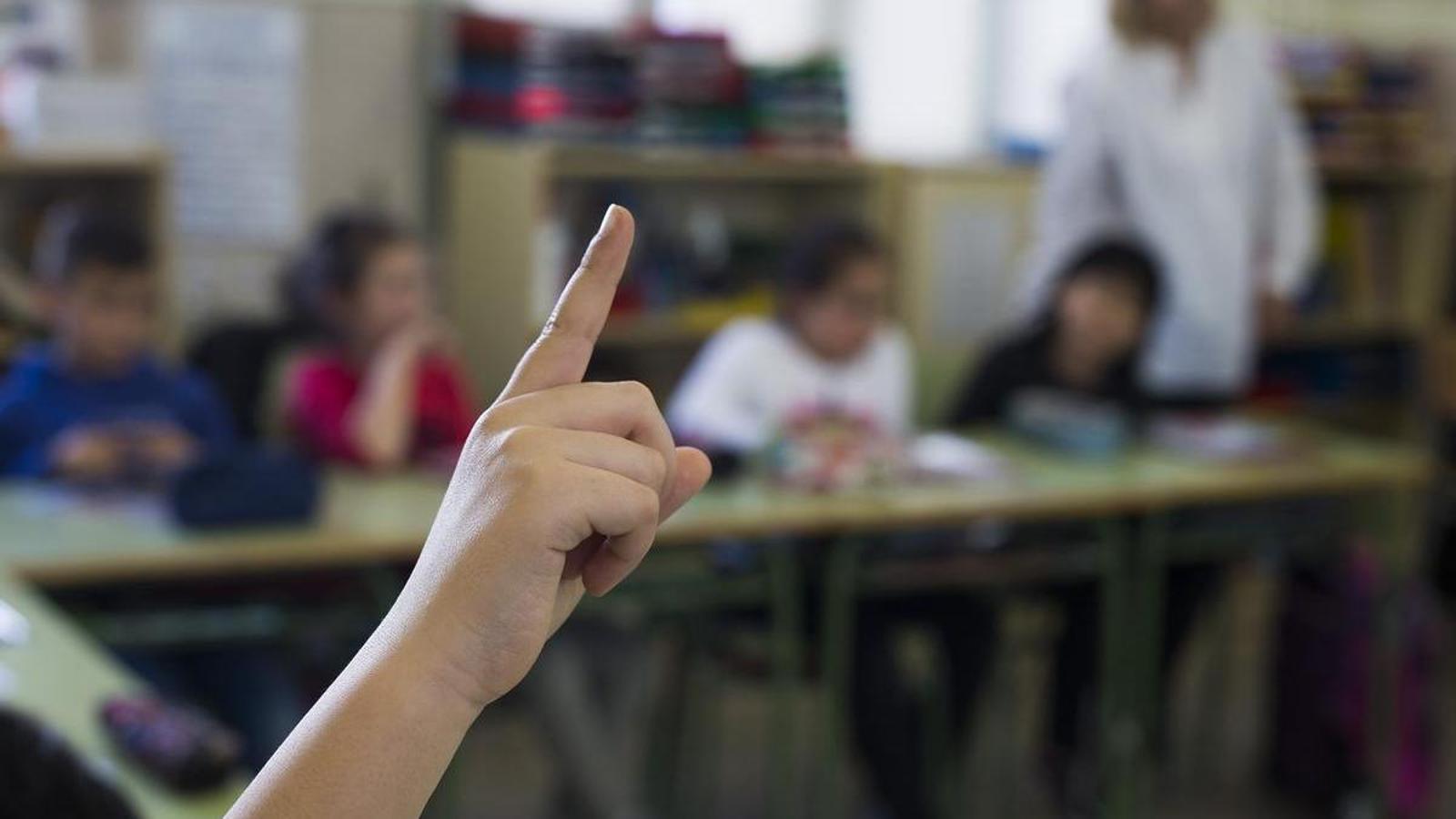

Repeating a grade is not the same in primary school as in secondary school. In primary school, it helps a student with difficulties fit in better with classmates born after them. It is evident that in early ages, a difference of eleven months can be noted in the degree of maturity. In primary school, it can be beneficial for consolidating literacy and detecting problems with dyslexia, dyscalculia, or attention deficit. It is the period in which any special need should be diagnosed; if it is done in secondary school, we are already working against the clock. In fact, the debate about inclusive schooling revolves around this: the sooner we detect individual needs, the sooner we will achieve optimal learning. Unfortunately, repeating primary school is not well regarded by parents, as they believe that their child will recover the lost learning over time. Normally, as the years go by, deficiencies become greater. There is the sorrow of friends, yes, but in the short term it can boost the student's self-esteem if they adapt to the level. Because in the long run, they will integrate into a new cohort of classmates and will probably graduate successfully. The secondary is not working
On the other hand, in secondary school, repetition does not seem so productive to me. In full adolescence, poor academic results are usually related more to their disruptive attitude than to learning difficulties. That is, we normally have support groups for students who, in secondary school, have significant content deficiencies without having to go through repetition obligatorily. If a student does not want to enter the role of "being a student", they could repeat infinitely and would surely burn through the promotions they encountered along the way. Therefore, in the cases of behavioral students, they are passed to the next grade even if they have failed everything. It is usually waited until the fourth year of ESO for them to repeat or enroll in a PFI (training and insertion program) and graduate outside of the institute.
Most high schools, due to high ratios, cannot offer many places for repeaters. Therefore, repetitions are very selective and tend to prioritize learning difficulties rather than attitudinal ones. New students who arrive in secondary school also usually need a repetition year. If they arrive in primary school, they have room to adapt, especially to the language, but if they arrive in the fourth year of ESO, it is unlikely they will graduate on the first attempt. And by extension, we can also talk about repeating in baccalaureate. Unfortunately, many students who barely manage to get their degree, then crash in baccalaureate. And we also find those who fall into baccalaureate by chance when they don't get a place in the vocational training cycles they want. In both cases, they either end up repeating or dropping out. That is to say, in the end, they lose a whole year. The reflection we should have regarding repetition is that the most important thing for a student is to reach the end of the path successfully. Some will simply need more time to achieve it.

