The attacks on the refineries and the future of the war are driving a wedge between Trump and Netanyahu
Washington rules out deploying troops to Iran while Tel Aviv says it is necessary to topple the ayatollahs' regime


-
CAT -
CAST
WashingtonThe spiral of crossfire attacks against critical energy sites in the Gulf has brought to the surface the differences between Israel and the United States regarding the Iran-Iraq War. What began with conflicting accounts from Washington and Tel Aviv about whether the White House was aware of the bombing in South Pars ended with Donald Trump asserting that his ally Benjamin Netanyahu "sometimes does things I don't like," although he later clarified that they get along "great." The US president made this statement during a meeting with Japanese Prime Minister Sanae Takaichi, who also left without any commitment to provide US military assistance in escorting oil tankers through the Strait of Hormuz. The request to the Japanese comes after the European rejection of the tycoon's plan.
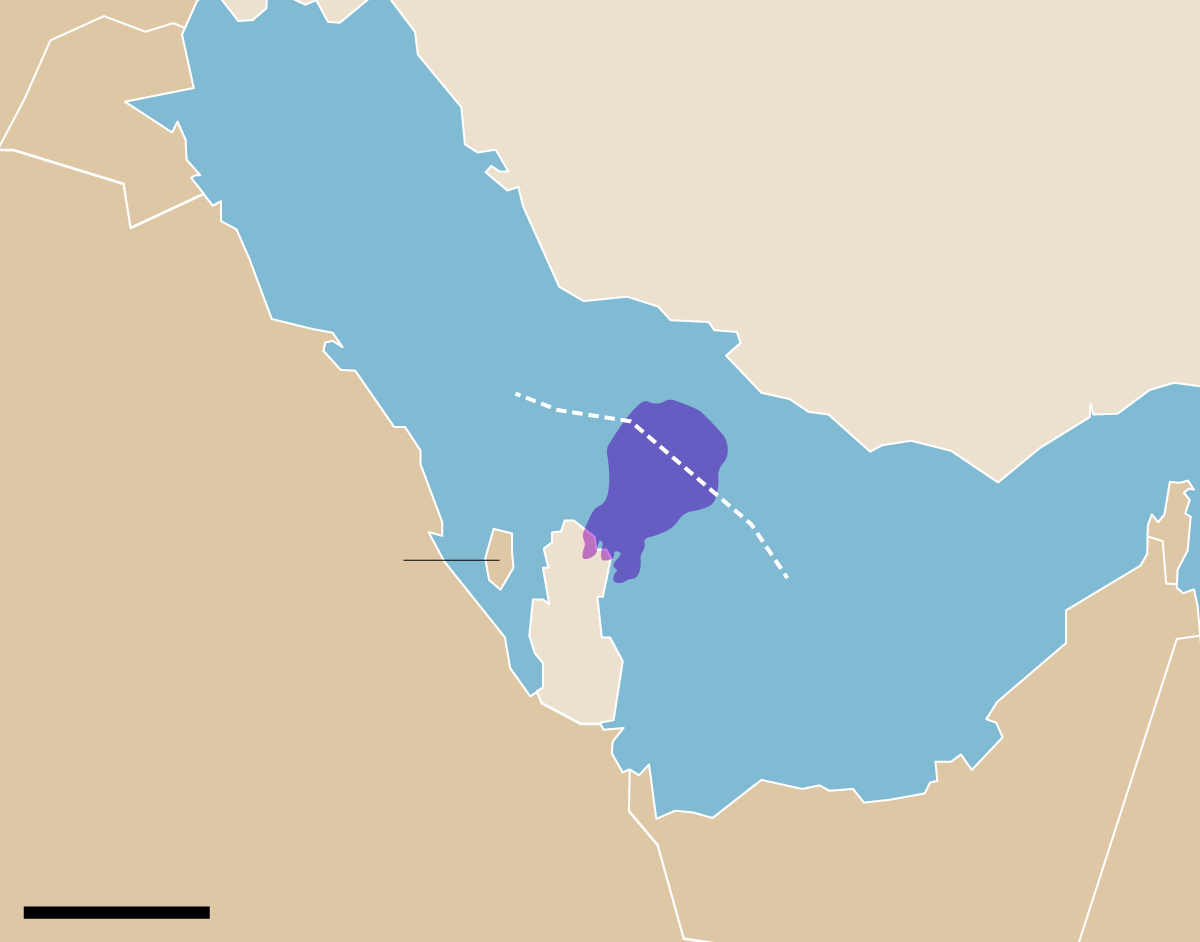
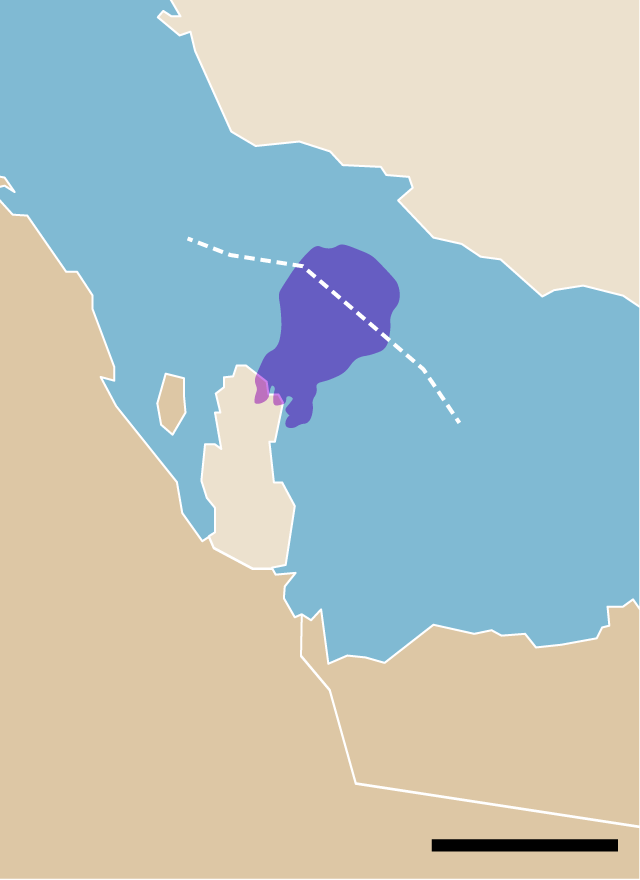
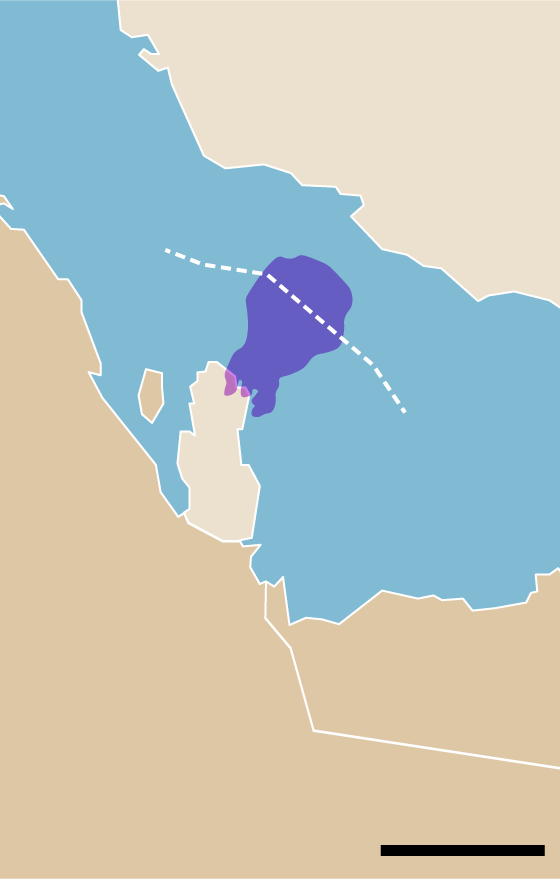
On Wednesday night, Trump denied that Washington had any knowledge of the Israeli bombing that has prompted Iranian retaliation against other refineries in Arab countries in the region. After Tel Aviv attacked the part from the South Pars gas field that Iran controlsThe ayatollahs responded with renewed attacks against the energy infrastructure of Qatar, Kuwait, the United Arab Emirates, and Saudi Arabia. Many of these facilities are crucial to the global energy market, such as the Ras Laffan liquefied natural gas (LNG) plant in Qatar. Ras Laffan produces approximately 20% of the world's supply. According to a QatarEnergy representative, the Iranians have taken 17% of the country's LNG export capacity offline, jeopardizing supplies to Europe and Asia.
The ayatollahs' attacks on Arab facilities preceded Trump's post Wednesday night denying that Washington or Doha knew anything about the plan to attack South Pars. In that same post on Truth Social, the president warned Tehran that they would blow up the entire South Pars field if there were further attacks against Qatar. As seen in other tense moments in the region, Trump accepted that the Iranians would exact their "eye for an eye" revenge, but he wants to stop it here. That is why, despite denying coordination with Netanyahu in the attack, the Republican asserted that from now on "Israel will not attack South Pars again unless Iran attacks Qatar." The escalation has had an impact.in energy prices, which have skyrocketed this ThursdayThe clash of interests between Washington and Tel Aviv became increasingly apparent as the hours passed. While Defense Secretary Pete Hegseth emphasized that Washington knew nothing about the attack, Israeli officials told Reuters that the action had indeed been coordinated with the United States. Netanyahu later contradicted them: "I'll say two things. First, Israel acted alone against the gas complex. Second, President Trump asked us to suspend future attacks, and we are doing so," he stated. The contradictions are evident.
IRAN
ARÀBIA SAUDITA
South
Pars
North
Dome
bahraIN
QATAR
EMIRATS ÀRABS
UNITS
150 km
IRAN
South
Pars
bahraIN
North
Dome
QATAR
ARÀBIA
SAUDITA
EMIRATS
ÀRABS UNITS
150 km
IRAN
South
Pars
bahraIN
North
Dome
QATAR
ARÀBIA
SAUDITA
EMIRATS
ÀRABS UNITS
150 km
At Thursday's Pentagon press conference, Hegseth declined to specify when the war would end. This marked a slight shift in the administration's narrative, which, when the military campaign in the Middle East began, estimated it would last "four or five weeks." The US is now about to enter its fourth week of the war and seems intent on erasing the timeframe they themselves set. In the Oval Office, Trump was also recalibrating another message he has been sending: the option of deploying ground troops. For the first time, the president appeared to be closing the door on a possibility he himself had raised at the start of the operation. "We will not be deploying troops anywhere. Now, if we were going to, we wouldn't tell you. But I will not be deploying troops," the tycoon said, relying on the recurring ambivalence with which he has been speaking about the conflict.
Shortly after Trump began to close the door on this idea, Netanyahu brought it up again. In a recorded speech, the Israeli prime minister said that a ground operation is necessary to topple the Iranian regime: "You can't make a revolution from the air alone; you need a ground operation, too." Bibi was once again putting pressure on his partner, just as he did last February during his emergency trip to Washington to finally convince him that Tehran had to be attacked. Now, Netanyahu doesn't want Trump to shrink from the possibility of sending troops. The dynamic is like that of a dance couple in which Tel Aviv sets the pace—it knows what its objectives are—while the US fluctuates between going along with it and struggling to set its own rhythm, which it doesn't seem to have a clear idea of. Among Republican ranks, critical voices are growing, lamenting that Trump continues to be dragged along by Tel Aviv in this war.
Gabbard's Confession
But while Trump and Netanyahu attempt to maintain a facade of complete alignment, US Director of National Intelligence Tulsi Gabbard has been far more emphatic. On her second day of testimony before Congress, Gabbard acknowledged that Washington's and Tel Aviv's objectives "are different." According to the intelligence director, "the Israeli government has focused on incapacitating the Iranian leadership and eliminating several members," while the US objectives "are to destroy Iran's ability to launch ballistic missiles." When questioned again by members of Congress, Gabbard asserted that she had no answer as to why Israel decided to attack Iranian energy infrastructure despite Trump's demand that these facilities not be targeted.
The rifts between Washington and Tel Aviv appear at a time when economic pressure on Trump is only escalating. The president knows that if the economic impact of the war is prolonged, it could seriously affect the midterm elections. In fact, one of the reasons why It was convenient to attack Iran now because of the distance that still exists before the ballot boxes.The White House's dissent also comes at a time when other US allies are beginning to shrink back from the conflict and distance themselves. So far, neither the Europeans, nor the Gulf monarchies, nor the Asian nations have committed to the president to escort the oil tankers through the Strait of Hormuz.

