"This is not free internet": Iran partially restores network connection
Witnesses within the country and experts point out that the regime continues to slow down and monitor access to it
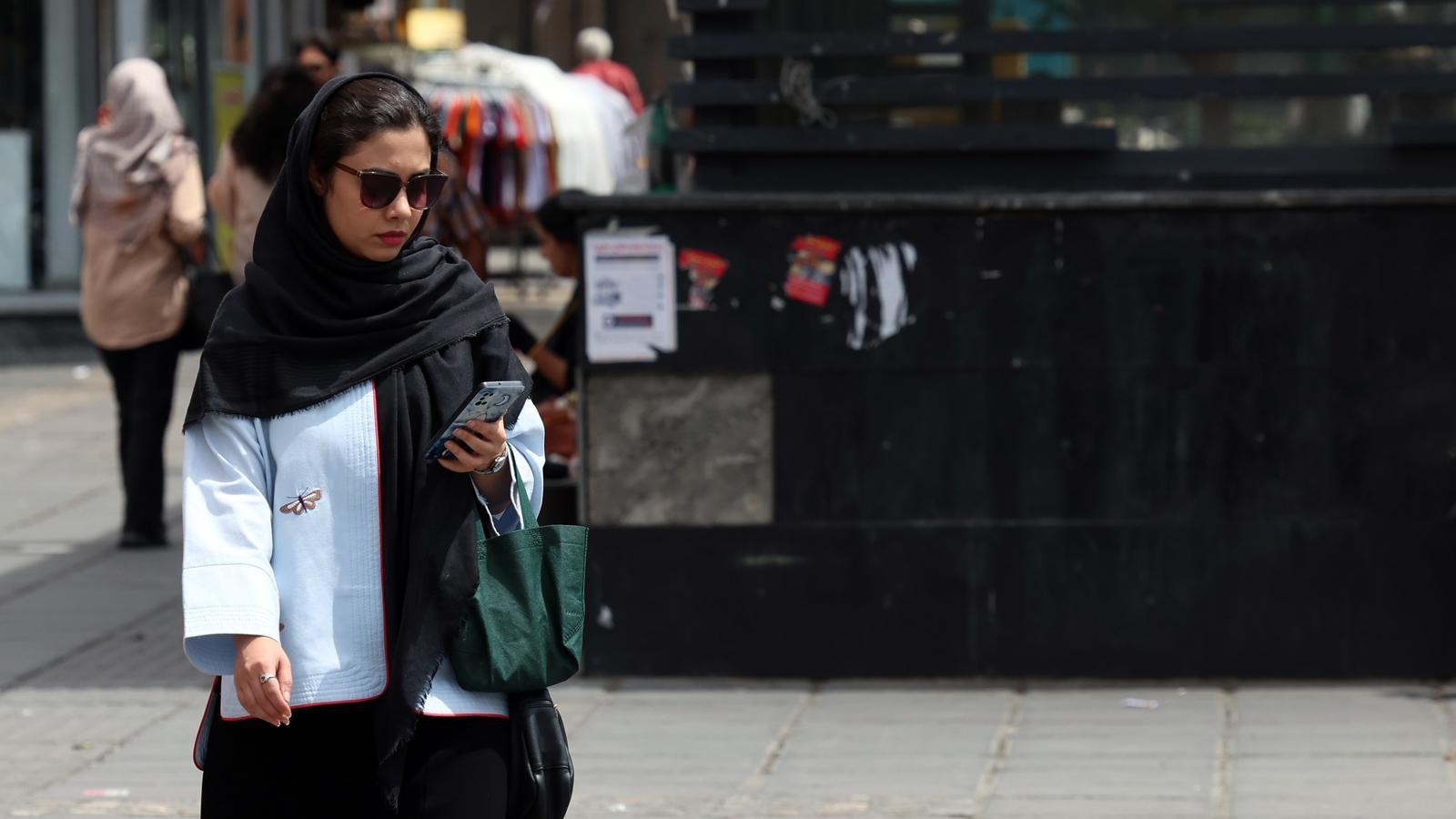
BarcelonaAfter 88 days of internet blocking, the Iranian regime has this week eased network access restrictions for the majority of the population. The blackout has been the longest in the country's history, indeed the longest in the planet's history, and censorship continues.
"Suddenly on Wednesday, my mobile started vibrating with old messages all coming in at once," Farid, a young university student who asks not to reveal his surname, explains to ARA from Tehran. "We communicate by written messages on WhatsApp because the network isn't powerful enough to support a voice call. I was stunned to see the messages, and I didn't know what to reply." A few days after the start of the joint attack by the United States and Israel against Iran, on February 28th, the young man moved to London and returned to the country weeks later. When the regime relaxed the digital ban, he received messages from friends asking him to bring things from the British capital.
The student warns that having a connection doesn't mean that internet in Iran is free. "When they cut off the internet, we had to pay a lot of money to access VPN networks and be able to access applications like Instagram, Telegram, or YouTube. Now the only difference is that you can access them with free VPN networks, but the content remains equally filtered," the young man explains.
A feminist activist who requests anonymity for fear of reprisals also shares her frustration with this newspaper. "We were more than 80 days without international internet access and they even cut off the domestic network for a few days. Gradually, domestic internet has reopened, but we haven't fully recovered global internet: this is not free internet," she assures. Faced with pressure from companies and businesses that could not work without a connection, Tehran established the so-called Internet Pro, which allowed access to international pages at a high cost. "It was a class privilege, and in fact, many individuals and professions who could have accessed it did not do so to protest against this discrimination –explains the woman–. Now that they have finally restored the service, many pages, applications, and messaging platforms remain filtered, so you have to connect to a VPN to access them, and these networks, if they are free, are very slow. It's very frustrating to have to wait to access the internet, especially if you depend on it for studying or working," she warns.
50% connectivity
Amir Rashidi, cybersecurity and digital rights director at Miaan Group, an organization that advocates for digital freedom, points out that connectivity levels from Iran have increased to 50% of normal levels, but warns that many connections have no data traffic: "This means that some users have connectivity, but cannot send or receive anything, as if there were a pipe without water." The expert considers it more of a propaganda operation: "In reality, the internet has been restored, but it remains inaccessible." He gives the example that text messages used to send verification codes for Google, Telegram, or Instagram accounts remain blocked, and "without paying for premium VPN networks, connections are actually slow or don't work." Rashidi is blunt: "The regime wants to appear to be easing restrictions, but most services don't work because you can't access your account or because the connection is very weak." The internet shutdown, he assures, has caused great unrest and serious economic problems, and therefore the regime "has to generate a false sense of relief."
It's not that Iranians enjoy digital freedoms, then. The change is mainly economic, for the many online businesses that had lost customers due to the blockade. Or to be able to enjoy their favorite song lists and video games again. That's why Farid is not entirely convinced: "I'm content, but not happy," he says. He believes the regime has now relaxed restrictions because the agreement with the United States seems very close and "they want us to believe that the situation has normalized."
Economic cost
For the feminist activist, the Iranian power has had to give in "because having the country disconnected from the internet had a high social and economic cost". She recalls that the regime created a domestic network –as China or Russia have done– "to control the protest movement, but this has had too high an economic cost and has caused a rise in unemployment". Some Iranian sources estimate that the blackout caused the loss of 4 million direct jobs. The woman recalls that Iran still functions like Big Brother: "The Iranian regime continues to monitor Instagram and Twitter and watches activists, who many times, like myself, have been interrogated for our activity on social networks".
The relaxation of restrictions coincides with crossed announcements about the possibility of a ceasefire agreement between Tehran and Washington, but what is clear is that within Iran today there is no more room for protest than before the joint attack. At least that is what the woman makes clear when she ends the conversation with this newspaper: "Don't put my name, because the regime will surely find me and arrest me: they have arrested many political activists under the accusation of having connections with foreign countries".
