Trump threatens to close Hormuz at 4 p.m. and Iran warns it would be a ceasefire violation
Conversations in Islamabad end without a concrete outcome and negotiation is left in the air
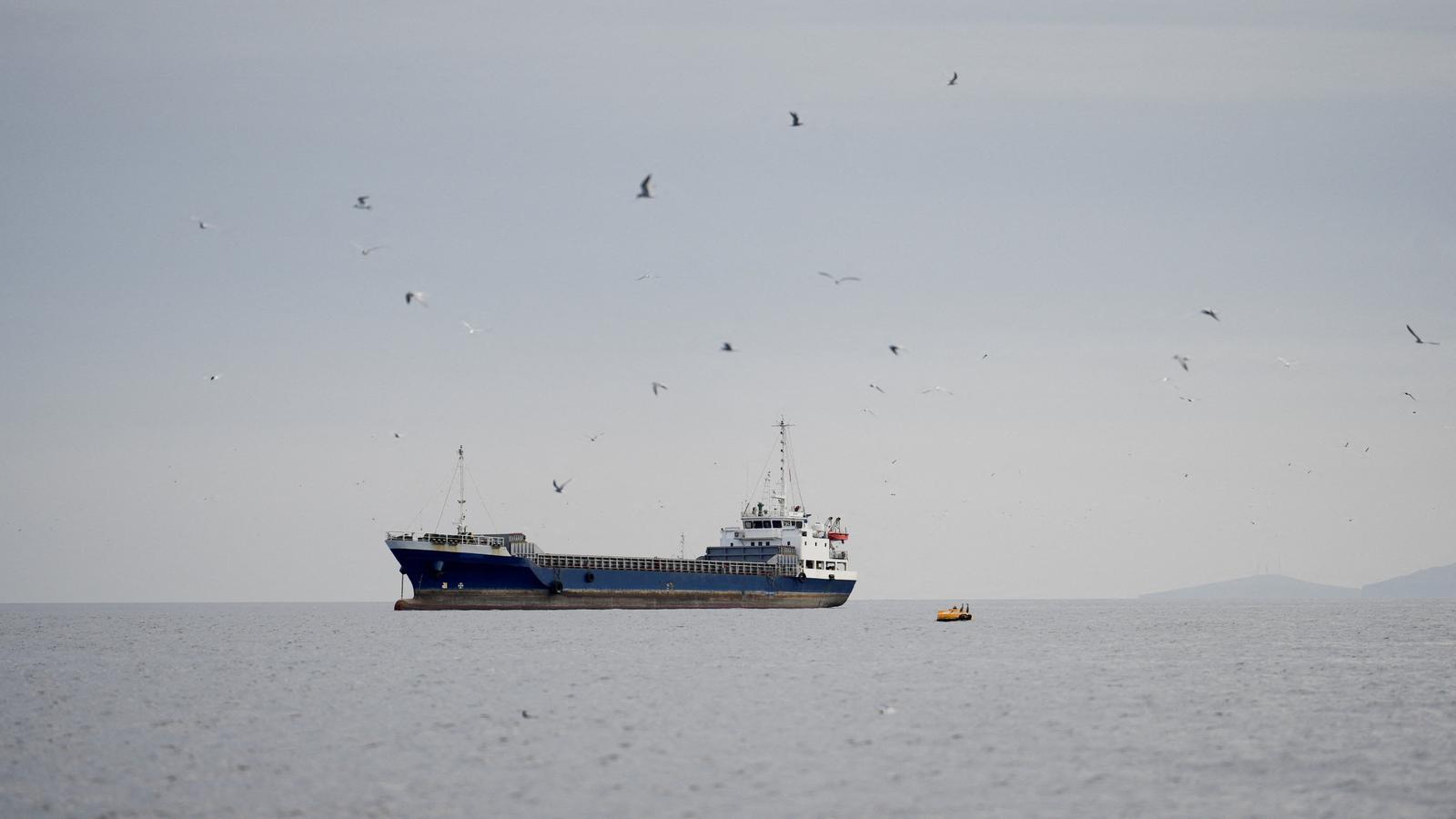
Dubai / WashingtonDonald Trump's roller coaster doctrine has permeated the third Gulf War from the outset. This weekend we have seen another abrupt, precipitous turn: from the moderate optimism generated by the start of talks between Americans and Iranians in Islamabad, after the last-minute agreement on Tuesday that averted "hell" in the Middle East; to worrying pessimism due to the lack of agreement in Pakistani meeting rooms and the return to the most visceral threats between Washington and Tehran, which hint at bombing the strategic Hormuz, the epicenter of this war, again.hint at a renewed bombing of strategic Hormuz, the epicenter of this war.Tehran responded quickly, stating that it will consider it a violation of the ceasefire if military ships approach Hormuz and that, therefore, it will respond forcefully. The blockade of Hormuz by the Iranians —their strategic philosopher's stone— has indeed stifled the global economy, and with sufficient effectiveness, placing Washington in a compromised position.
The future of the war, now on standby, remains uncertain and dangerous. The ceasefire was born shaky, fragile, and both sides have threatened that any miscalculation could trigger a worse escalation of the conflict.
All this came after the historic and marathon negotiation day in Islamabad, which began on Saturday and ended on Sunday without an agreement. After more than
20 hours of face-to-face conversations with the Iranian delegation emboldened after having survived the siege by the Americans and Israelis.

The president of the Iranian Parliament, Mohammad Bagher Ghalibaf, responded that the US had not understood Iran's logic or principles: "Now it is up to them to decide if they can earn our trust or not," Ghalibaf wrote. In Tehran, they do not forget that Washington has a habit of attacking them while negotiating. The Iranians insist that they will keep Hormuz blocked until Washington accepts a "reasonable agreement".
The other major obstacle in the negotiations is the Iranian nuclear program. Almost paraphrasing The reality is that the Strait of Hormuz remains practically paralyzed, even though Tuesday's agreement obliged the Iranians to reopen it in exchange for a ceasefire. The Gulf countries, on the other side of the sea, fear that the White House will end up accepting future control of the passage by the ayatollahs, emboldened after surviving the siege by the Americans and Israelis.The future of 400 kilos of uranium
The other major obstacle in the negotiations is the Iranian nuclear program. Almost paraphrasing the words that had already been spoken during the talks prior to the February 28th attack, Vice President Vance insisted in Islamabad on the nuclear issue as the major point of contention: “The issue is that we need to see a commitment that they will not seek tools that will allow them to rapidly develop a nuclear weapon”.
Trump was more direct on the subject: “Saturday’s meeting went well, most aspects were agreed upon, but the only truly key issue —the nuclear one— remained unresolved.” The future of the 400 kilos of enriched uranium from Iran’s nuclear program was already an obsession for the Republican during his first presidency.
Another point of tension has been the situation in Lebanon, which has already accumulated over 2,000 deaths since Israel launched the first offensive on March 2nd. Although Israeli Prime Minister Benjamin Netanyahu supported the truce and has stopped attacking Tehran since Wednesday, attacks in the south of the Arab country have not ceased.

According to Iranian state media, Tehran has reportedly obtained a kind of guarantee from the United States that Israel will reduce attacks against the Arab country. Washington has not confirmed this, and in Tel Aviv - the capital most interested in the third Gulf War - they insist on war. Netanyahu stated on Saturday afternoon that the military campaign against Iran "is not over". "We hit them, and we still have more to do." Hours later, on Sunday, the prime minister crossed the border and stood on Lebanese territory to send an identical message to the troops deployed by Lebanon: "There is much work to be done".
The exceptionality of the talks
Although there has been no white smoke, the summit in Islamabad remains a historic milestone: it was the first time a high-level face-to-face meeting was held between officials from the United States and Iran since the 1979 Islamic Revolution began a confrontation between the two countries for almost half a century.
In his appearance, in fact, Vance thanked Pakistan for its efforts as a mediating country and made it clear that "the deficiencies in the negotiation were not due to the Pakistanis." For the US, "Islamabad has carried out a surprising task and has strived to help both us and the Iranians propose and reach an agreement."
Time is running out, and there are ten days left until the agreed deadline for a temporary truce. Trump's roller coaster is now in threat mode, as is Iran's. But a second round of diplomatic talks should not be ruled out. In the meantime, both Washington and Tehran took advantage of the weekend visit to Islamabad to remind the world that both have won the war.
“We have won no matter what”, Trump said on Saturday afternoon as he was about to board the helicopter, before heading to Miami. And he added, with his usual euphoria: “We have defeated them militarily”.
“We can feel like winners after resisting forty days of national defense”, said the speaker of the Iranian parliament, Mohammad Ghalibaf.

