The Middle East fears a great return to war after the elections in Israel
Tensions with Iran and the fighting on several fronts keep the region on alert, while the results of the elections may influence the intensity of the operations

-
CAT -
CAST
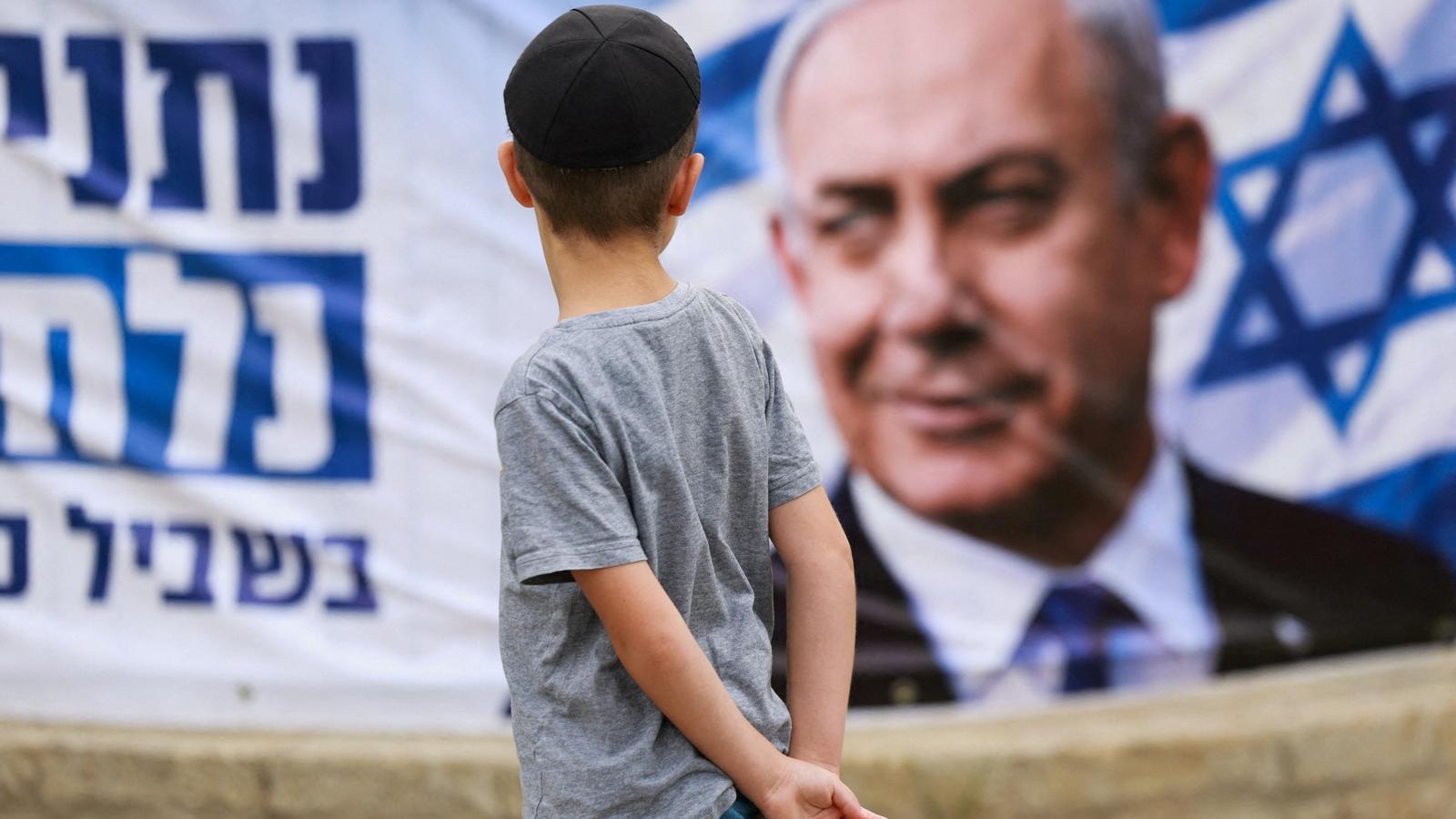
Jerusalem“Do you think war will return?”. In Israel, the question hangs over elections marked by uncertainty. “It's not a question of whether it returns or not, but of when,” more and more people respond, convinced that ceasefires have only postponed a new escalation. While the Israelis vote, the entire region looks towards the same question: whether the results will open a door to diplomacy or if, once the polls are closed, the weapons will speak again.
Signs of escalation have accumulated over the last few weeks. Several international media outlets have reported on Israeli and American military preparations and pressure from Benjamin Netanyahu to attack Iran. On October 21st, the Financial Times reported that Israel had prepared an offensive against Iran earlier in the month, but that Donald Trump had opposed it to avoid reopening the war before the midterm elections in the United States on November 3rd.
On the eve of the Israeli elections, CNN reported that the Israeli prime minister had once again pressured Trump to authorize a joint attack. According to the American network, Washington opposed it, in part after the chief of staff of the Israel Defense Forces, Lieutenant General Eyal Zamir, warned that an attack could postpone the Israeli elections. However, the US administration reportedly left open the possibility of a subsequent operation.
Netanyahu's office has described the reports as "fake news" and Defense Minister Israel Katz has denied that an imminent attack is being prepared. The tension, however, is evident. According to the Israeli media outlet Channel 12, a dispute has broken out between Netanyahu and Katz, who favor military action, and Zamir, who is said to have been the only security official to oppose an attack before the elections. The chief of staff is said to have requested further deliberations and warned that Iran could interpret the preparations as the prelude to an attack and decide to strike first.
In this context, Trump reiterated his support for Netanyahu and argued that it is necessary to "finish the job," with two public endorsements during the last week before the Israeli elections. On Sunday, Netanyahu revived his warmongering rhetoric by posting an image generated with artificial intelligence of a nuclear explosion over Tel Aviv, warning that voting for another option would expose Israel to a "second Holocaust".
Pumps on 'standby'
Given this scenario, Tehran has assured that it is willing both to negotiate and to respond to attacks, and has warned that it could strike American interests in the region, as well as data centers and submarine cables in the Persian Gulf, with possible repercussions for the region's economies and energy routes.
The risk of a reactivation is not limited to Iran. According to Reuters, Hezbollah in Lebanon has reportedly spent three months preparing for a possible resumption of fighting with Israel, after receiving tens of millions of Iranian euros to strengthen its capabilities, especially with explosives and drones. Meanwhile, the ceasefire promoted by Washington in June has not stopped Israeli attacks, and Israel maintains military positions in southern Lebanon. In Gaza, the October 2025 ceasefire has also not put an end to Israel's bombings: yesterday at least five Palestinians died in a new attack, which brings the number of deaths since the start of the truce to more than 1,400 and the total toll since the start of the Israeli offensive on the Strip, triggered by the Hamas attacks of October 7, 2023, to 74,000.
In the south of the Arabian Peninsula, the Houthis, aligned with Iran, are adding another focus of instability. This Tuesday, the military coalition led by Saudi Arabia, which supports the internationally recognized Yemeni government, announced the interception of three ballistic missiles and four drones launched against the kingdom. These attacks add to the rebels' advances near Bab el-Mandeb, a strategic passage for maritime trade, and the intensification of attacks in September. The escalation increases the risk that the confrontation between the United States, Israel, and Tehran will end up affecting trade and energy routes even more.
War, a safe bet
The electoral result in Israel will hardly resolve all these regional tensions. A Netanyahu victory could intensify military pressure, but the opposition does not guarantee a change in strategy either. Netanyahu's main rivals maintain a line as hard as his, and some reproach him for not having gone far enough in military objectives against the Persian country and its nuclear program. Gadi Eisenkot, the prime minister's main rival in these elections, accuses him of not having dismantled it and has questioned both the negotiations promoted by Washington to end the war and the American restrictions on Israeli military action in Lebanon.
Since October 7, 2023, Israel has focused on weakening Iran and its allies, maintaining security zones beyond its borders, and using force as a deterrent. Elections may alter the intensity of operations more than the underlying strategy, while ceasefires may end up being more like pauses rather than the prelude to a lasting peace in the region.
