Trump achieves another ceasefire between Israel and Lebanon without Hezbollah
The United States tries to appease the Lebanese front to achieve an agreement with Iran

-
CAT -
CAST
BeirutIsrael and Lebanon have agreed to a ceasefire to end hostilities, the Trump administration announced this Wednesday, in the United States' attempt to close the Lebanese front, one of the main obstacles to reaching a broader agreement to end the war with Iran.
is not showing signs of being willing to abandon the positions it occupies in the south of the country in the short termA Hezbollah official told the AFP agency on Tuesday that the group "will not accept a partial ceasefire," and the organization has not participated in the talks.
A truce to stop the fighting in Lebanon was to enter into force on April 17, but hostilities have continued, with both sides justifying their attacks by the alleged violations of the other.
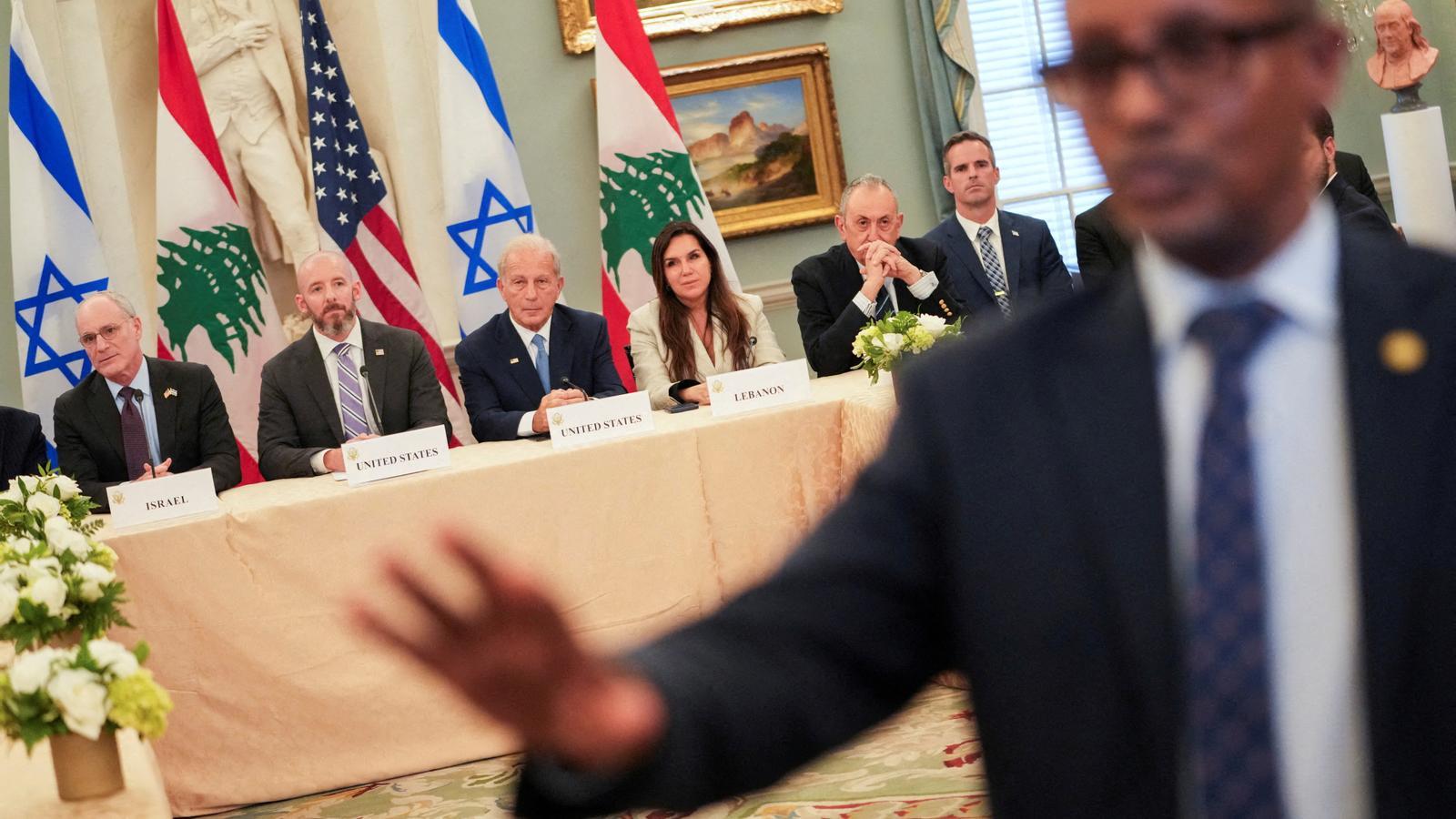
The meetings in Washington were the fourth round of direct talks between Lebanese and Israeli diplomats since the fighting broke out on March 2. Israel has agreed to suspend attacks against Beirut, but shows no signs of being willing to abandon the positions it occupies in the south of the country in the short term.
The talks, sponsored by US Secretary of State Marco Rubio, were taking place while the war continues on the ground. The Lebanese Ministry of Health reported on Tuesday 48 deaths and 97 injuries in the last 24 hours, bringing the death toll to 3,515 since Israel resumed its offensive on March 2. Israel issued new evacuation orders for several towns in the Sidon region and maintained bombings in different parts of Lebanese territory.
Hezbollah, for its part, claimed a rocket attack against a concentration of Israeli troops in northern Israel and stated that it was responding to continuous Israeli violations of the ceasefire. Shortly after, the Israeli ambassador in Washington accused the group of breaking the understanding that had allowed the attacks against Beirut to be curbed.
The distance between the two sides remains considerable. While Beirut calls for a comprehensive ceasefire accompanied by an Israeli withdrawal, Prime Minister Benjamin Netanyahu reiterated yesterday that he shares with Trump the objective of disarming Hezbollah and moving towards a "demilitarization" of Lebanon.
