Meloni proposes to ban the burqa in schools and limit foreigners per classroom
The prime minister announces a law that sets Italian classes for parents of foreign students with "serious difficulties in integrating"
-
CAT -
CAST
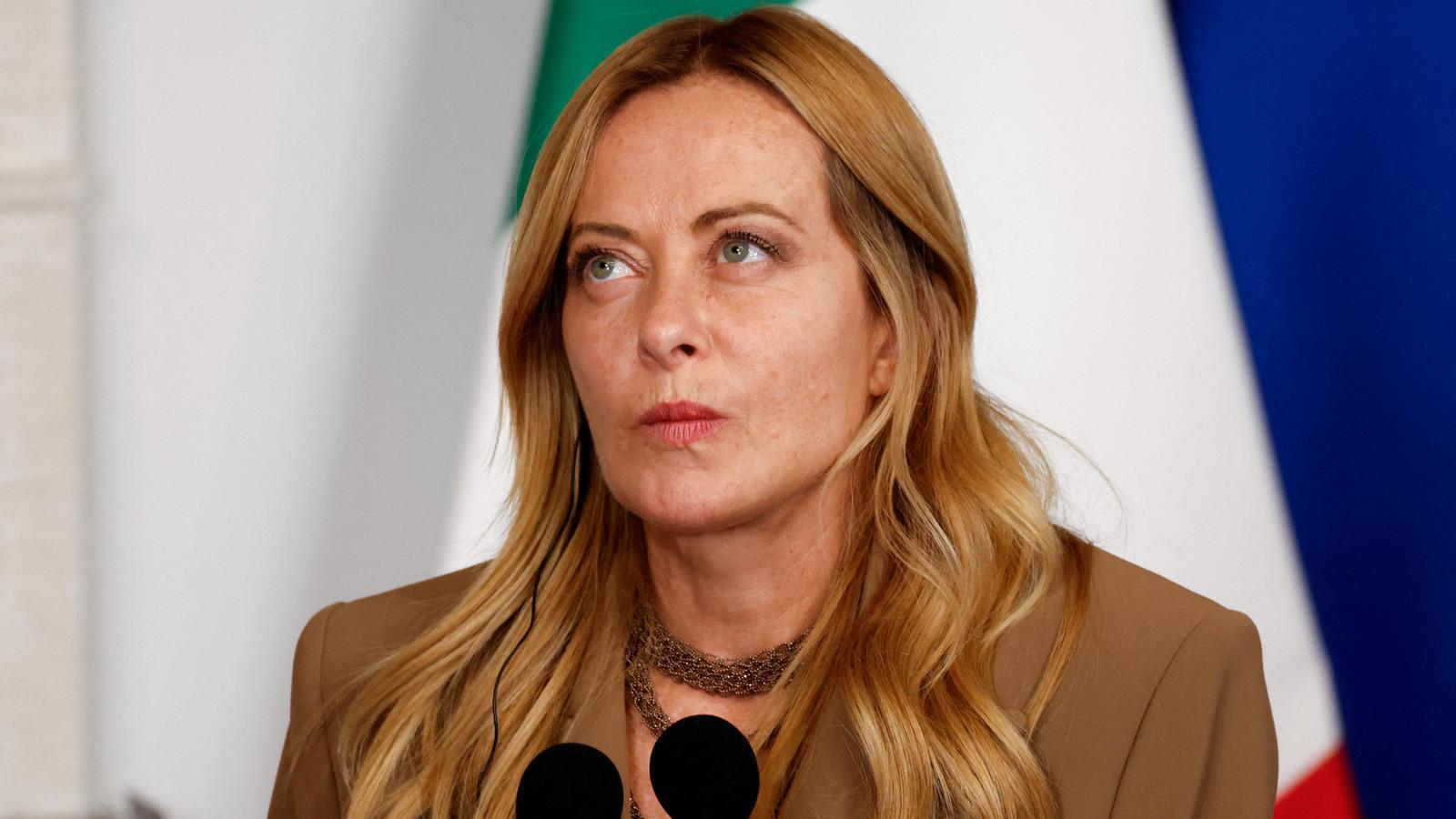
Barcelona"In Italy, no one can decide, in the name of a real or supposed tradition, that a young woman can cover [her face]". This is how the Prime Minister of Italy, Giorgia Meloni, justified the law she announced she will present at the next council of ministers, which proposes limiting the number of foreign students per classroom and banning the use of the burqa and niqab in schools. "It cannot be that Italian children feel displaced because they are a minority. This cannot happen", insisted the Italian Prime Minister, who announced the presentation of this law in a speech to the youth wing of her party, Brothers of Italy.
The regulation that the Italian Prime Minister wants to promote also proposes making Italian classes mandatory for parents of foreign students who have "serious difficulties integrating into the school system". Meloni thus revives the debate on security and identity, which she considers to be a "question of civilization".
Criticism of the proposal was not long in coming. The opposition has labeled the measure as "propaganda" and "far-right", while school principals in Italy have warned that they consider it "very complex" to limit the number of foreign students per classroom. "From an educational perspective, the objective is well-founded and laudable, but putting it into practice is very complex", said the president of the National Association of Principals, Antonello Giannelli.
Furthermore, the representative of the school principals recalled that a limit of 30% of foreign students per classroom was already promoted under a government of Silvio Berlusconi, but there were problems applying it. "We need concrete and applicable tools that are compatible with the students' right to attend school in their locality", insisted Giannelli.
In Italy, 11.6% of students are not Italian, according to official data, and of these, two-thirds were born in Italy – being born in the country does not imply citizenship –, so they have no problem with the language.
Once approved by the Italian government, the measure will need parliamentary approval within 60 days to become law. Next year Italy holds legislative elections and the Prime Minister is willing to increase her popularity before the trip to the polls. This has led her to introduce a series of policies that the opposition labels as populist, such as the exemption from a tax on the ownership of cars and scooters.
