Married in Afghanistan: "Whenever my husband wants sex, I cannot say no"

-
CAT -
CAST
KabulThree months had passed since my 17-year-old cousin, Tamkin, got married. During all that time, whenever I called her number, her phone was switched off. I did not know what was happening in her husband’s home, and she had no opportunity to tell me. I had told Hauna, her younger sister, “Whenever Tamkeen comes to your house, let me know”. Tamkeen usually came to see her parents twice a month, accompanied by her husband. A few days ago, Husna told me that Tamkin had come to her parents’ house. I left my work and went to my uncle’s home.
When I arrived, I saw Tamkin. She looked beautiful and well dressed, wearing a beautiful traditional Afghan outfit. She still looked like a new bride. For a moment, I felt relieved. I told myself that perhaps my worries had been unfounded.
When everyone else left the room, she sat beside me. First, she asked about my work. She said she had missed me and that whenever she heard my voice on the news, she felt happy. I asked her, “If you missed me, why didn’t you call? Why is your phone switched off?” She paused. I felt that something was on her mind. She told me that her husband did not allow her to have a mobile phone or communicate with other people.
She said that in the first days after she went to her husband’s home, he took her phone away. When she insisted several times that he give it back, he became angry and told her, “Women don’t need mobile phones. Do your housework. Take care of me. You don’t need a phone anymore. If you want to talk to your parents, use my phone”.
Only a few months earlier, she could talk to me whenever she wanted. Now, even making a simple phone call required permission. Tamkin said: “I thought maybe my life would get better after marriage, but it has become worse”. Every day, she does the housework. She prepares food for her husband’s parents, looks after them and takes care of her husband.
I asked her what she had imagined married life would be like before she got married. She said: “I thought that if I could not study and could not achieve my dream of becoming a doctor, at least marriage might bring a positive change to my life”. Then she paused and said: “The change came, but it was not positive.”
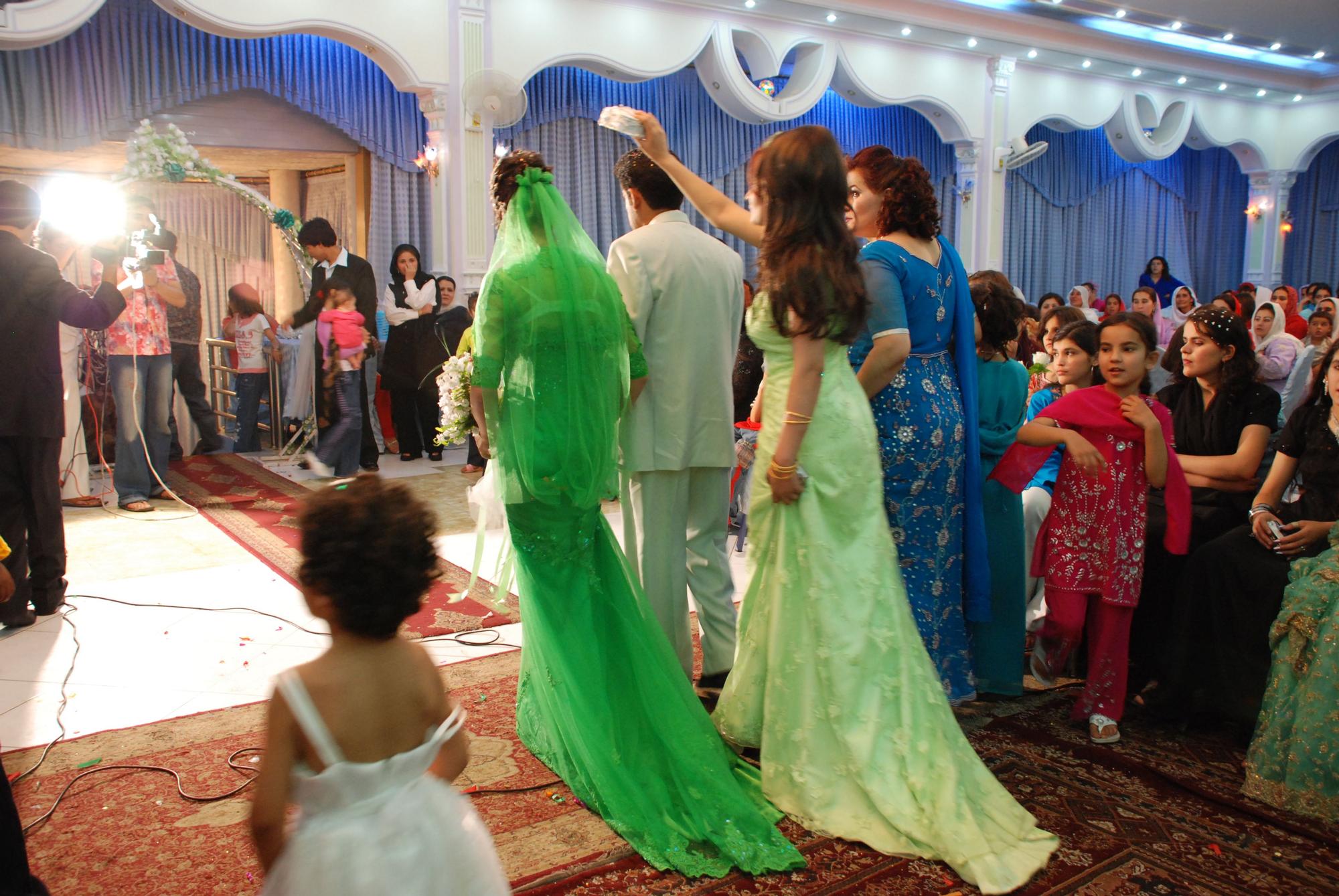
Tamkin was a girl who loved studying and wanted to become a doctor. But when girls’ schools were closed, one of the most important paths towards that future was closed to her too. Three months ago, she married a man she had not chosen herself.
In Afghanistan, families often choose husbands and wives for their children. A boy’s family may see a girl at a market, a sewing class or through relatives, like her, and then go to her family to ask for her hand in marriage.
In many families, girls are married off without being asked what they want. Their families believe that girls do not know what is best for their own lives. That is exactly what happened to Tamkin.
Before the engagement, and throughout the matchmaking process, she had never met her future husband. The only thing her family had shown her was a photograph. The first time she spoke to him was when their families went shopping for the wedding. Even then, because both families were present, they did not have a chance to speak openly or get to know each other. They knew almost nothing about each other’s personalities, behaviour or expectations. It was a marriage arranged by their families. And because I knew Tamkin had no real familiarity with the man she was going to marry, I had been worried about her.
Tamkin also confessed to me that she had felt terrible from the very first night of her marriage. I asked her: “Before that night, did you know what was going to happen?” She said she had no idea. About a week before the wedding, her mother had spoken to her for the first time about marital relations. She told her that she would be happy after marriage and would experience her womanhood. She also told her that she should bleed, so that it would prove that she was a virgin.
Disgust and pain
Tamkin said that after hearing this, she went online and searched for information herself. She read about married life and about what she was going to experience only a few days later. I asked her “how did you feel after reading about these things?” She said: “I was worried. It was something between the excitement of experiencing something new and feeling disgusted by what was about to happen.” I asked: “which feeling is stronger now?” She said “disgust.”
She was silent for a few moments. Then she said that that night she had felt like an object whose purpose was to satisfy a man’s needs and then be put aside. She said she had not been ready to have sex with her husband that night. It was around three in the morning when the wedding guests had finally left. She was exhausted. But her husband initiated sex without asking whether she wanted it. “My first experience of sex was horrible,” she said. “It was painful, empty of any feeling, and terrifying.”
She continued. She said the experience had been painful and that if she had had the power to decide and choose, she would not have agreed to go through it a second time. What hurt her most was the feeling that her wishes and feelings did not matter. “They only cared about seeing blood and knowing that I was a virgin,” she said.
Then she told me about their sex life now. “Now, whenever my husband wants something, I cannot say no. If I say no, he forces himself on me. Every time, I feel sick”. As I listened to her, all I could think was: this is rape, isn’t it? I did not know what to say.
Tamkin cannot even choose to go see her own family. Her husband does not allow her to go often, either. Only twice a month, and if he goes too.
Before the wedding, her mother had told her that she would fall in love with him after they married. But Tamkeen said that not only had she failed to fall in love with him, she now saw him as her prison guard. She said: “When he goes to work, I am his housekeeper. And at night, I am there for him too. That’s it”. Then she said to me: “Don’t get married”.
Tamkin’s story is not unique. It is similar to the lives of thousands of women in Afghanistan women who have little control over their own bodies, women who are pushed into marriages chosen by their families because they see so few other paths available to them. For many girls in Afghanistan today, it feels as though marriage is the only path left, now that the Taliban are in power. What will my own destiny be?
