Forced marriages: "The only thing that stopped it was my threat to take my own life"

-
CAT -
CAST
KabulI was seventeen when the first marriage proposal arrived at my home. I still remember that day. I had just returned from school and my mind was focused on the exam I had the following week. As always, my textbooks were scattered on the floor of my room. My whole world revolved around getting high grades to enter university, become a journalist, and build the future I had imagined for myself since I was little.
When my mother told me that a family had come to ask for my hand in marriage, I felt as if someone had ripped me out of the life I had so carefully built. I got angry and I cried. "If they come back, I won't even open the door for them," I snapped.
I was lucky, though, because that happened before the Taliban came to power in 2021. Back then, at least in Kabul, many girls still had options. We could finish school, go to university, find jobs, and then get married. My family never forced me. They knew how much I liked studying and that I had dreams I hadn't yet realized.
I wasn't the only one. Thousands of Afghan girls had the same expectations. Now, however, when they are not allowed to study, work, earn a living, or even imagine an independent future, all paths slowly disappear until only one remains: marriage.
A few weeks ago, my cousin Tamkeen got married. She is only sixteen years old. She used to be the best student in the class and dreamed of being a doctor. But the Taliban arrived and schools for girls were closed. At first, we thought they would reopen in a few weeks. Then we hoped it would be in a few months. But the weeks turned into months, and the months have turned into years. And Tamkeen lost hope of returning to class.
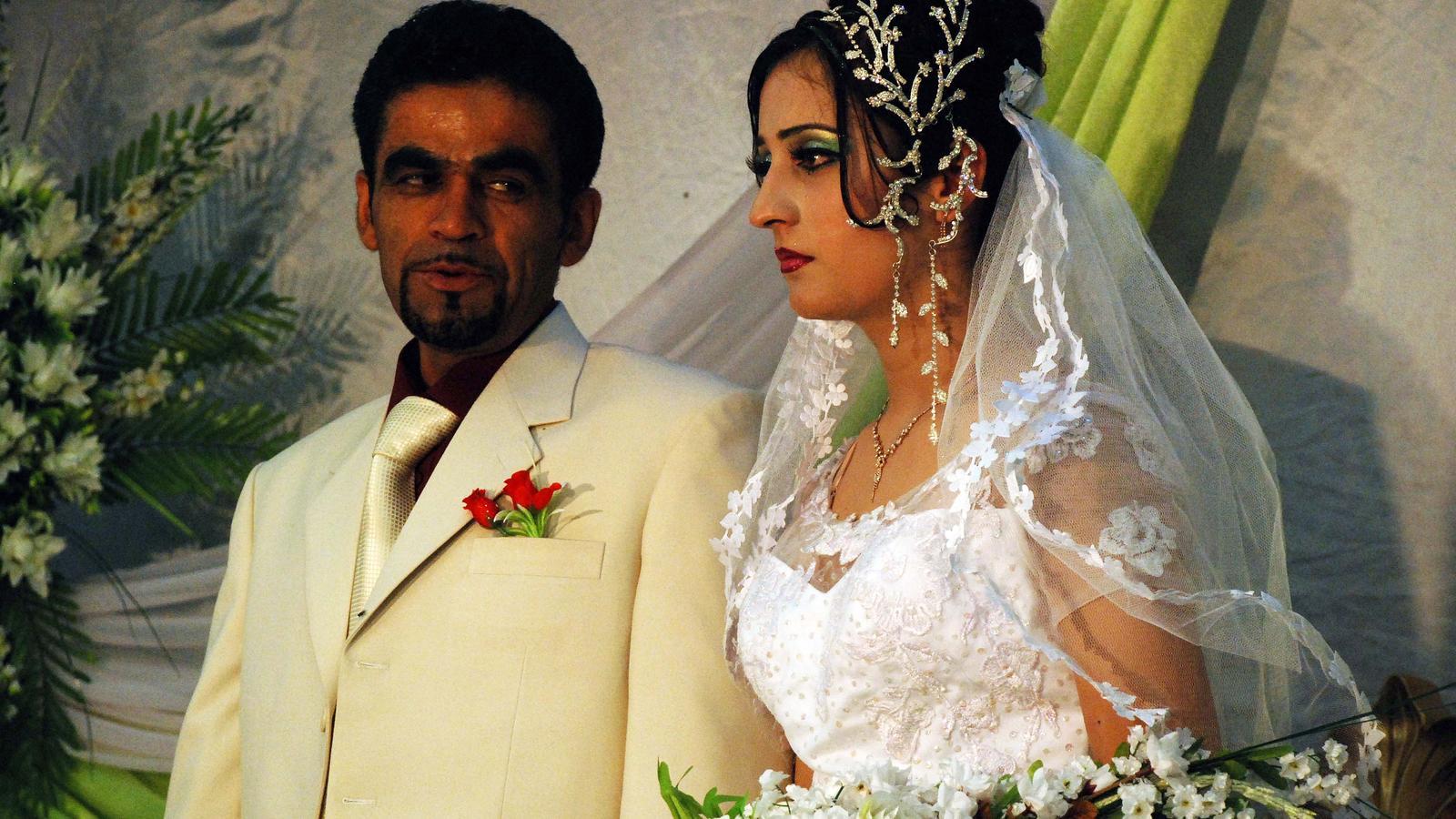
When I heard that she had gotten engaged, I tried to convince myself that perhaps she was happy. Perhaps life had opened another door for her. But on her wedding day, I realized I had been wrong. The wedding hall was full of colorful dresses, music, and laughter. Instead, every time I looked at Tamkeen, I only saw sadness. Her bridal makeup suited her, but it couldn't hide the sadness on her face. During the celebration, she forced herself to smile for a few seconds when guests greeted her, but then she lowered her eyes to the ground again. I had never seen her like this.
That night I didn't sleep; I couldn't stop thinking about her. Even if the Taliban left tomorrow, and all schools and universities reopened for girls, Tamkeen would probably never return to a classroom. Now she is expected to be a wife. And, soon, a mother.
Weddings at 14 years old
This marriage was never really her choice. She did not choose the man she married. Her family did. Today, even Afghanistan's legal framework reinforces this reality. Last May, the Taliban approved decree number 18, which establishes new rules for marriage and divorce. Unlike what Afghan legislation previously stated, the new decree does not set a minimum age for marriage and makes it significantly harder for women to refuse a marriage. Today, girls in Afghanistan marry at fourteen, fifteen, or sixteen years old.
When the ceremony ended and everyone began to say goodbye, Tamkeen hugged me longer than anyone else. For a few moments, she said nothing. Then she whispered in my ear, "May God curse the Taliban." I couldn't respond. I simply hugged her tighter. There were no words that could make that moment any less painful.
I am now twenty-six years old, and every year that passes, the pressure for me to get married grows. Every time I visit a relative, the first question is always the same. "So, when are you getting married?" Some tell me, "You've finished your studies, you have a job, what are you waiting for?" Usually, I smile at them and reply, "When it is God's will." For years, I have hidden behind this phrase. I never tell the truth. I never explain that I am afraid of the question itself, afraid of having to justify why I still want my life to belong to me.
My biggest fear is not marriage itself, but losing the freedom for which I have fought so hard. I am afraid of losing the independence I gained through years of study and work. And more than anything, I am afraid of marrying a man who sees women as the Taliban do, someone who believes a woman must obey instead of choose, someone who believes her future should be decided for her instead of by her.
Last year, when I was unemployed for a few months, this fear suddenly became real. I thought that not having a job would mean economic uncertainty. Instead, I discovered that, for an Afghan woman, losing her job also means everyone starts believing that it is finally time for you to get married.
Family pressure
My family's pressure intensified. So much so that they wanted to betroth me to a man without asking me if I wanted to. When I found out, I cried and told my mother I wasn't ready. She tried to comfort me. "He's a good man," she argued. Whether he was good or bad wasn't the point. The point was that I didn't want to get married.
For the first time in my life, I felt like control over my future was slowly slipping away. The more I tried to explain myself, the more inaudible my voice became. In the end, I was so desperate that the only thing that stopped them was my threat to take my own life. How can a young girl be forced to consider suicide to protect her right to choose her future? No girl should ever reach this point.
My mother often asks me, "Why don't you want to get married? Are you waiting for someone?" I'm not waiting for anyone. If I ever get married, I want it to be because I chose it, not because all other paths have closed. However, tens of thousands of Afghan girls will never have that opportunity.
