The EU wants to ban entry to Russian soldiers who have participated in the invasion of Ukraine
Von der Leyen proposes the twenty-first sanctions package of the European bloc against Russia

BrusselsThe European Union is getting to work after Viktor Orbán's departure as Prime Minister of Hungary. The European bloc was able to approve the twentieth sanctions package because Budapest lifted the veto and, just a few weeks later, Ursula von der Leyen's European Commission has already presented the twenty-first. In this set of restrictions, Brussels proposes to prohibit entry to any person who has worked in the Russian army since the start of the invasion of Ukraine, an increase in export bans to Russia of key elements for the manufacture of drones and defense equipment and, among others, more control over ships of the so-called ghost fleet, which distribute Russian fossil fuels hidden from the authorities of the EU member states.
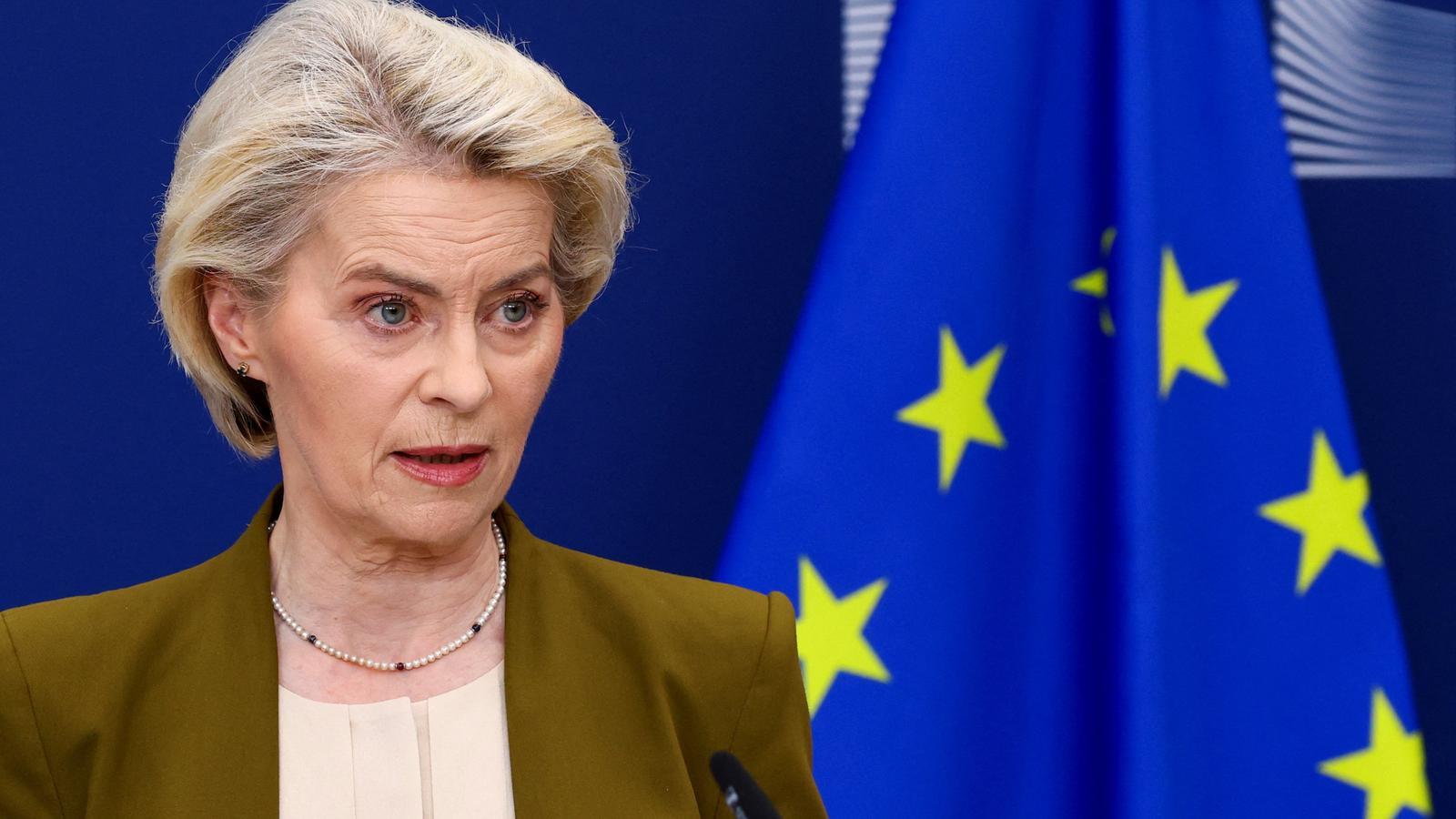
One of the most symbolic measures announced by Von der Leyen is to ban Russian soldiers from entering. "We are proposing for the first time to prohibit entry into the European Union to any person who has served in the Russian armed forces since the beginning of the war," emphasized the President of the European Commission this Tuesday in a press conference without questions.

On the other hand, Von der Leyen proposes to include 30 more ships ofAlso in the commercial sphere, Brussels plans to end the sale of some metals and minerals, car parts, and, among others, fish, especially cod. In total, the export of these products to Russia and Belarus by the European Union amounts to 60 million euros annually.
Furthermore, the President of the European Commission has proposed prohibiting the possibility of making transactions with 31 financial entities, companies, cryptocurrency platforms, and fossil fuel trading companies that have been serving Russian entities or individuals and have evaded the sanctions that the European Union has applied since the beginning of the war. And, for the first time, the EU executive proposes a legal framework that allows member states to prohibit cryptocurrency services to third countries that may indirectly help the Russian regime.
More actions against the ghost fleet
On the other hand, Von der Leyen proposes including 30 more ships of theso-called ghost fleet on the EU's blacklist and, therefore, subject to sanctions and further controls. In addition, Brussels wants to include vessels and critical infrastructure — such as ports, airports, or refineries — that support these ships and, for example, supply them with fuel and other services.
With all this, the President of the European Commission has argued that the European Union's sanctions against Russia are effective and has assured that its economy is suffering. "Inflation is around 6%. Interest rates stand at 14.5%. Taxes are rising. This is the real cost of Putin's war for Russian citizens," remarked Von der Leyen, who asserted that the European bloc's restrictions "are weakening the economic pillars" of the Kremlin.
